Art Beyond Words

Posted on

The Role of Art in Empowering Children with Autism

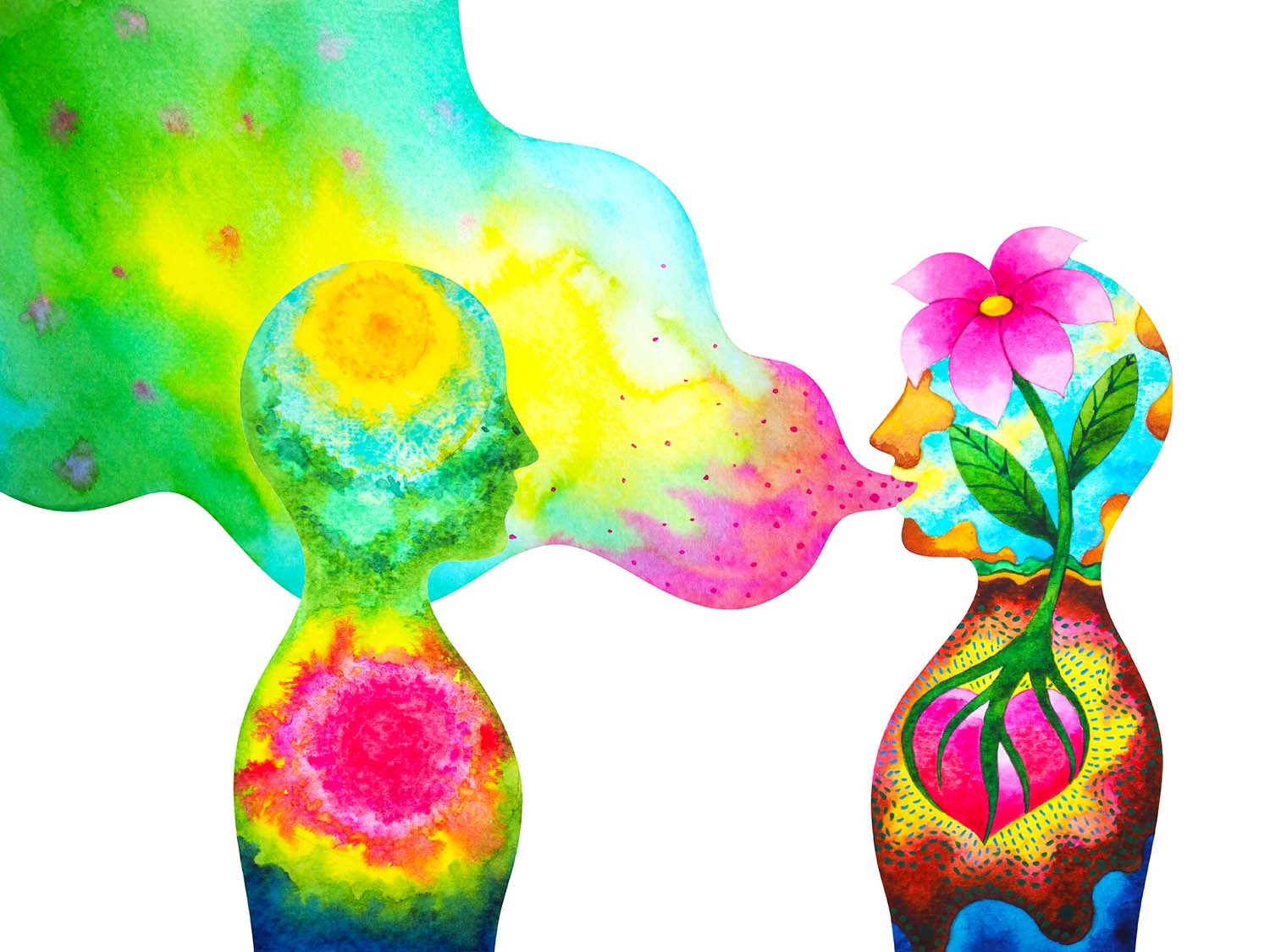
In Nepal, art has emerged as a powerful tool for children with autism, offering them a unique way to express themselves beyond traditional verbal communication. Dr. Sunita Maleku Amatya, an anaesthesiologist and chairperson of the AutismCare Nepal Society (ACNS), highlights how art serves as a bridge between these children and the world around them. Through her work, she emphasizes that art is not just a creative outlet but a critical medium for emotional expression, social interaction, and personal growth.

Art provides a safe space where children with autism can explore their sensory experiences and develop their cognitive abilities. Colours, textures, and shapes become tools for connection, helping them navigate their internal worlds. This form of expression is especially vital because many children on the spectrum struggle with verbal communication. For them, art becomes a language of its own, revealing emotions and thoughts that words often fail to capture.

Understanding the Autistic Brain and Art Therapy

The autistic brain functions differently from neurotypical brains, and this difference influences how individuals perceive and interact with the world. While neurotypical people may quickly grasp the emotional impact of a painting or sculpture, children with autism may process these elements in unique ways. Art therapy offers a non-verbal, non-judgmental environment where they can experiment, create, and express without the pressure of social expectations.

Compared to conventional therapies, which often involve structured interactions or direct instruction, art therapy allows for more flexibility. It encourages free play, creativity, and self-expression, which are essential for building confidence and reducing anxiety. In this setting, children can engage with materials like paint, clay, or collage, creating tangible outcomes that give them a sense of accomplishment.

Navigating Emotions and Social Challenges Through Art

Children with autism often experience intense emotions and sensory overload, making it difficult for them to regulate their feelings or understand social cues. Art therapy provides a structured yet flexible space where they can explore these challenges. By engaging in artistic activities, they learn to identify and express their emotions in a safe and supportive environment.

This form of therapy also fosters social development. While social interactions can be overwhelming for children on the spectrum, art creates a shared experience that encourages them to connect with others. Whether working in groups or alone, they can focus on the creative process without the pressure of reciprocation. Over time, this can lead to improved social awareness and a greater sense of belonging.

The Future of Art Therapy in Nepal

Despite its potential, art therapy remains underutilized in Nepal, where awareness about autism and mental health is still evolving. Many view art as an extracurricular activity rather than a necessary component of holistic development. However, there is growing recognition of the importance of therapies that support neurodiverse individuals throughout their lives.

Dr. Amatya believes that integrating art therapy into educational and community programs can significantly enhance the quality of life for children with autism. She advocates for mainstreaming these approaches in schools and local initiatives, ensuring that they become a fundamental part of developmental support systems.

A Personal Breakthrough Through Art

One of the most profound moments in Dr. Amatya’s practice was witnessing her son’s transformation through art. From a young age, he showed a fascination with specific objects like toilets, elevators, and electrical poles. He would draw them repeatedly, using various mediums such as clay and flour dough. This visual memory became a key aspect of his identity and a means of understanding the world around him.

In 2024, his 35-piece solo art exhibition marked a significant milestone. Despite his challenges with two-way communication, he displayed remarkable focus and enthusiasm during the event, explaining his work to the audience. This moment highlighted the power of art to foster self-esteem, motivation, and a deeper connection to society.

Similarly, workshops conducted by AutismCare Nepal Society have shown how art can bring joy and satisfaction to children with support needs. When their creations are framed and showcased, they experience a sense of pride and accomplishment, reinforcing their confidence and desire to continue exploring their talents.

Through these experiences, Dr. Amatya continues to advocate for the integration of art therapy as a vital component of autism support, emphasizing its role in fostering communication, emotional regulation, and social inclusion.


Leave a Reply

Your email address will not be published. Required fields are marked *

Art Beyond Words

Posted on

The Role of Art in Empowering Children with Autism

In Nepal, art has emerged as a powerful tool for children with autism, offering them a unique way to express themselves beyond traditional verbal communication. Dr. Sunita Maleku Amatya, an anaesthesiologist and chairperson of the AutismCare Nepal Society (ACNS), highlights how art serves as a bridge between these children and the world around them. Through her work, she emphasizes that art is not just a creative outlet but a critical medium for emotional expression, social interaction, and personal growth.

Art provides a safe space where children with autism can explore their sensory experiences and develop their cognitive abilities. Colours, textures, and shapes become tools for connection, helping them navigate their internal worlds. This form of expression is especially vital because many children on the spectrum struggle with verbal communication. For them, art becomes a language of its own, revealing emotions and thoughts that words often fail to capture.

Understanding the Autistic Brain and Art Therapy

The autistic brain functions differently from neurotypical brains, and this difference influences how individuals perceive and interact with the world. While neurotypical people may quickly grasp the emotional impact of a painting or sculpture, children with autism may process these elements in unique ways. Art therapy offers a non-verbal, non-judgmental environment where they can experiment, create, and express without the pressure of social expectations.

Compared to conventional therapies, which often involve structured interactions or direct instruction, art therapy allows for more flexibility. It encourages free play, creativity, and self-expression, which are essential for building confidence and reducing anxiety. In this setting, children can engage with materials like paint, clay, or collage, creating tangible outcomes that give them a sense of accomplishment.

Navigating Emotions and Social Challenges Through Art

Children with autism often experience intense emotions and sensory overload, making it difficult for them to regulate their feelings or understand social cues. Art therapy provides a structured yet flexible space where they can explore these challenges. By engaging in artistic activities, they learn to identify and express their emotions in a safe and supportive environment.

This form of therapy also fosters social development. While social interactions can be overwhelming for children on the spectrum, art creates a shared experience that encourages them to connect with others. Whether working in groups or alone, they can focus on the creative process without the pressure of reciprocation. Over time, this can lead to improved social awareness and a greater sense of belonging.

The Future of Art Therapy in Nepal

Despite its potential, art therapy remains underutilized in Nepal, where awareness about autism and mental health is still evolving. Many view art as an extracurricular activity rather than a necessary component of holistic development. However, there is growing recognition of the importance of therapies that support neurodiverse individuals throughout their lives.

Dr. Amatya believes that integrating art therapy into educational and community programs can significantly enhance the quality of life for children with autism. She advocates for mainstreaming these approaches in schools and local initiatives, ensuring that they become a fundamental part of developmental support systems.

A Personal Breakthrough Through Art

One of the most profound moments in Dr. Amatya’s practice was witnessing her son’s transformation through art. From a young age, he showed a fascination with specific objects like toilets, elevators, and electrical poles. He would draw them repeatedly, using various mediums such as clay and flour dough. This visual memory became a key aspect of his identity and a means of understanding the world around him.

In 2024, his 35-piece solo art exhibition marked a significant milestone. Despite his challenges with two-way communication, he displayed remarkable focus and enthusiasm during the event, explaining his work to the audience. This moment highlighted the power of art to foster self-esteem, motivation, and a deeper connection to society.

Similarly, workshops conducted by AutismCare Nepal Society have shown how art can bring joy and satisfaction to children with support needs. When their creations are framed and showcased, they experience a sense of pride and accomplishment, reinforcing their confidence and desire to continue exploring their talents.

Through these experiences, Dr. Amatya continues to advocate for the integration of art therapy as a vital component of autism support, emphasizing its role in fostering communication, emotional regulation, and social inclusion.
Leave a Reply

Your email address will not be published. Required fields are marked *