Credit Growth in Nigerian Trade and Commerce Sector
Nigerian deposit money banks have disbursed a total of N36.39tn in credit to the Trade and General Commerce sector during the first nine months of 2025. This figure represents a slight increase from the N36.05tn recorded in the same period of 2024, showing a 0.96 per cent growth. The data, analyzed from the Central Bank of Nigeria’s quarterly statistical bulletin for Q3 2025, highlights a modest year-on-year growth driven primarily by stronger lending in the third quarter of 2025.
The surge in credit distribution was particularly notable in August 2025, which saw the highest disbursement at N5.06tn, followed by September with N4.85tn. July also experienced a sharp rise, reaching N4.51tn. This marked a strong rebound after a relatively slow start to the year. In contrast, January and February 2025 recorded the lowest credit disbursements at N3.48tn and N3.54tn respectively, before lending accelerated from March onward.
For 2024, the highest credit disbursements were recorded in February at N4.91tn and January at N4.62tn, reflecting a strong performance in the first quarter. However, lending moderated significantly mid-year, with July and August posting the lowest figures at N3.41tn and N3.48tn respectively, before a mild recovery in September.
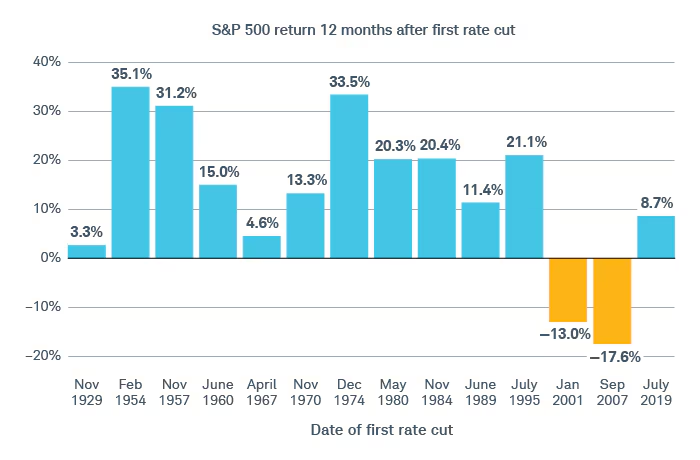
On average, banks distributed N4.04tn monthly to Trade and General Commerce between January and September 2025, slightly higher than the N4.01tn monthly average in the same period of 2024. Despite this, credit extended to businesses has remained on a stable line, with interest rates as high as 30 per cent from commercial banks. The Monetary Policy Rate (MPR) was pegged at a historic high of 27.5 per cent, a move that the real sector repeatedly criticized. The recent decision of the Monetary Policy Committee to reduce the rate by 50 basis points in February eased the benchmark interest rate to 26.5 per cent, bringing some relief to the trade and commerce ecosystem.
Calls for Increased Credit and Investment
Analysts and members of the organised private sector have called for more credit to flow to productive private sector activities, alongside increased investment in critical infrastructure to strengthen the real sector. Prof Segun Ajibola, a former Chairman of the Chartered Institute of Bankers of Nigeria, emphasized that credit growth in trade depends largely on demand dynamics and signals from monetary authorities.
“Many factors influence the push of credit to different sectors of the economy. One has to be need-oriented and demand-oriented. In other words, those who need credit must come forward to request from their bankers,” Ajibola said.
He added, “Dropping rates is an invitation to do more. And more importantly, it also signals the direction of the economy. When the rate drops, the monetary authorities and the fiscal authorities are beckoning operators in the sectors to do more, so that the multiplier effects will help push the economy to higher growth.”
Dr Chinyere Almona, Director-General of the Lagos Chamber of Commerce and Industry, echoed these sentiments, stating that the rate cut should translate into stronger private sector lending and infrastructure investment.
“We see the rate cut as a bridge from reform to results. We want to see more credit to the private sector for productive activities, more investment in critical infrastructure, government commitment to continued transparency in the FOREX market, and strong support to building our local refining capacity,” Almona said.
She added that with firm coordination between monetary and fiscal authorities, “the Nigerian economy will make good progress towards achieving a Gross Domestic Product growth rate above five per cent in the short term.”
Impact on Businesses and SMEs
Segun Ajayi-Kadir, Director of the Manufacturers Association of Nigeria, noted that the rate cut, though modest, could ease borrowing costs for businesses if banks pass on the benefits.
“Lower borrowing costs for businesses will allow them to access cheaper loans, invest more in machinery, expand operations, and increase working capital. This will increase production capacity, encourage the hiring of more workers, and expand the performance of Small and Medium Enterprises,” Ajayi-Kadir remarked.
He stressed that the impact would depend on effective transmission, controlled inflation, exchange rate stability, and resolution of structural challenges such as power, logistics, and insecurity.
Dr Femi Egbesola, President of the Association of Small Business Owners of Nigeria, said the reduction in the MPR could lower banks’ funding costs and support lending to SMEs and traders. “If these factors align, we can expect a modest but meaningful rise in credit flowing to productive sectors,” Egbesola said.
Similarly, Dr Muda Yusuf, Director of the Centre for the Promotion of Private Enterprise, warned that weak transmission between policy rates and lending rates remains a concern.
“We have historically had a very weak transmission mechanism between the monetary policy rate and the lending rate. Several times in the past, when we see a reduction in the monetary policy rate, it hardly reflects in lower lending rates,” Yusuf said.
He added that high operating costs, risk premiums, and structural bottlenecks continue to constrain lending, urging greater intervention by development finance institutions to provide longer-term, lower-cost funding to the real sector.