The Hidden Hygiene Crisis in UK Restaurants
More than 5,000 restaurants, cafes, and canteens across the UK have failed food hygiene inspections, according to recent findings. These establishments were found to be below the minimum safety standards set by the Food Standards Agency (FSA). The data reveals that out of a total of 139,593 food outlets, 5,022 fell short of these requirements. This translates to a failure rate of 3.6%, or roughly one in every 28 businesses.
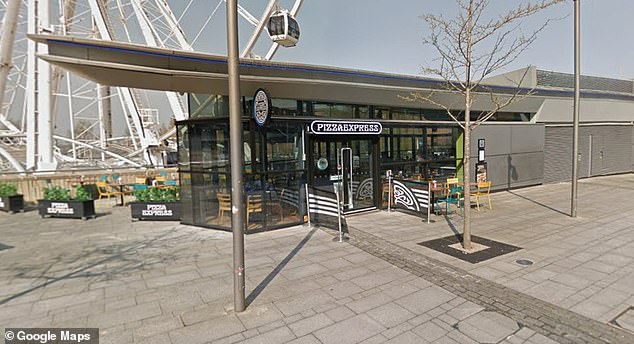
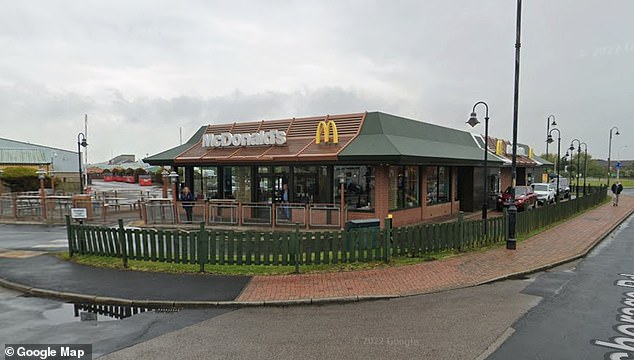
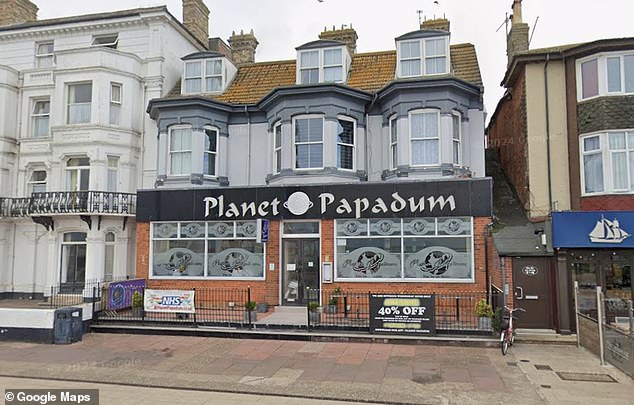
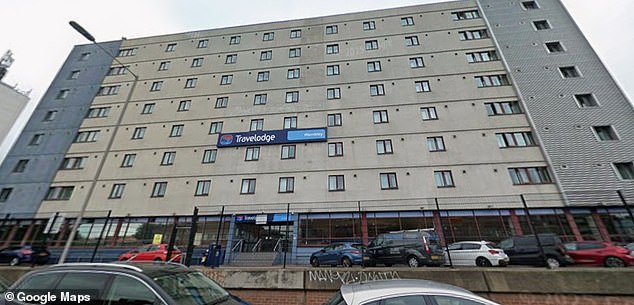
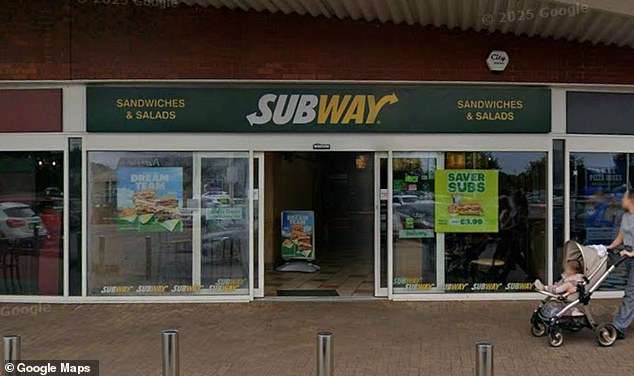
Several well-known chains, including McDonald’s, Subway, Travelodge, and Pizza Express, have at least one outlet that requires improvement. Inspectors have uncovered serious issues such as rotting food, rodent droppings, insect infestations, and improper storage of raw chicken. These findings highlight the urgent need for better hygiene practices in the food industry.
In England, Wales, and Northern Ireland, all food-serving venues are rated on a scale from zero to five. A score of two or lower is considered a fail, indicating that some improvement is needed. According to FSA data, 2,100 businesses received a rating of two, while 1,718 got a one—meaning major improvements are required. An additional 283 businesses received the lowest possible rating of zero, which means urgent improvement is necessary.
The FSA has noted that foodborne illness outbreaks are twice as likely to occur in businesses rated zero, one, or two compared to those with higher ratings. In Scotland, businesses are graded on a pass/fail basis, with ‘Improvement Required’ counting as a fail. There are currently 921 businesses with this label.
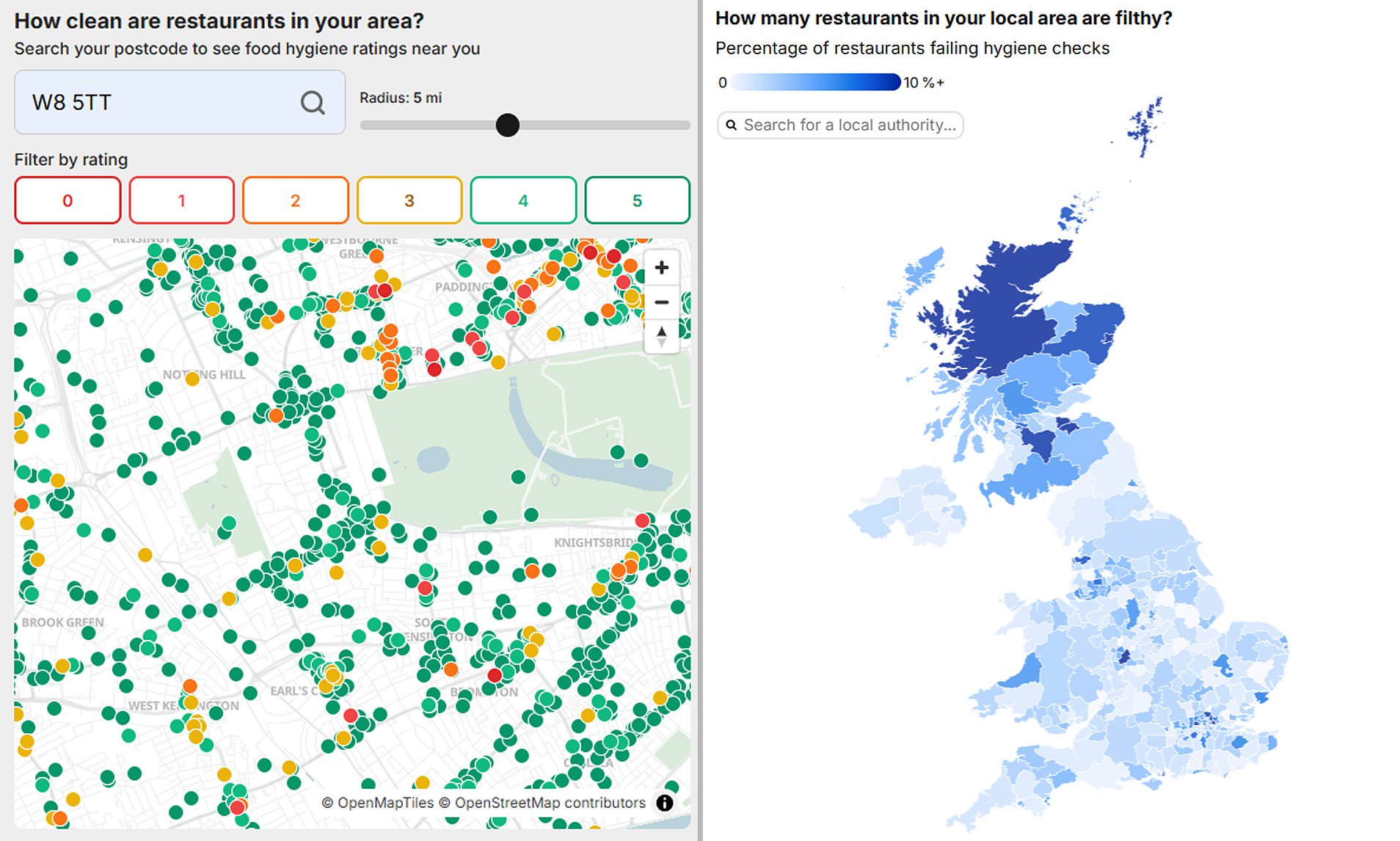
In the most severe cases, officials can close a business until improvements are made and may recommend prosecution for breaching food standards regulations. Some areas, such as the Shetland Islands, had the highest rate of restaurant hygiene failures at 19 per cent, followed by Aberdeen (16.7 per cent) and Ealing (14.8 per cent).
On the other end of the spectrum, 19 councils in the UK did not have a single restaurant that failed a hygiene rating. However, an inspection failure can have devastating effects on a business, potentially damaging its reputation permanently. Experts suggest that consumers are now more aware of food hygiene ratings than ever before, with many checking online and using local community groups to spread awareness.
A spokesman from Food Safety Consultancy UK stated that more people are regularly checking ratings online, and poor scores can be highlighted quickly through social media. They added that if a rating isn’t displayed, it should raise questions. Customers with allergies, in particular, should be cautious, as getting this wrong can have life-threatening consequences.
Other ongoing challenges include pest control, staff training, record-keeping, and maintaining standards during busy periods. Poor ratings can also impact a business’s turnover, as some delivery platforms like Just Eat require a minimum rating of three to sign up.
Ian Andrews, of the Chartered Institute of Environmental Health, emphasized that food hygiene standards depend on various factors, including staff training and cleaning regimes. He warned that when food safety controls fail, illness can result, tying up valuable NHS resources. Environmental Health Practitioners investigate what went wrong and take enforcement action where necessary.
Despite the availability of online inspection results, businesses in England are not legally required to display their ratings. Only 72% choose to do so, with higher-rated businesses more likely to display their scores. In Wales and Northern Ireland, it is mandatory by law. Campaigners such as Which? and the FSA want to change this in England and Scotland.
The FSA was established in the late 1990s following the mad cow disease crisis and the 1996 e-coli outbreak in Lanarkshire. Since then, the UK’s framework has become well-established and is generally regarded as effective. Local authorities inspect businesses at least once every two years, passing the results to the FSA or Food Standards Scotland (FSS).
However, there are concerns about the system’s ability to meet demand, as many council environmental health departments have struggled to recruit sufficient qualified staff. Over the past decade, the number of food standards inspectors employed by local councils has fallen by 45%. The FSA and FSS have warned that staff shortages and cuts are putting unsustainable pressure on existing teams.
There are currently 10,363 restaurants serving food that have never been inspected. Farrelly Mitchell, co-founder of international food consultancy firm Farrelly Mitchell, said that inspection capacity remains uneven across the country. He suggested that mandatory display of food hygiene ratings in England could help address this by increasing transparency.
Sue Davies, head of food policy at Which?, supports the FSA ensuring that complex businesses operating nationally comply with food law. A UKHospitality spokesman noted that over three-quarters of food businesses in England, Wales, and Northern Ireland achieved a top rating of 5 for hygiene. Despite resourcing challenges, this shows high compliance.
The FSA claims the inspection is a “snapshot” of food hygiene standards. Its ratings focus on how food is stored and prepared, not on quality, customer service, or presentation. The Daily Mail’s data was extracted from the FSA website and is correct as of December 16, 2025.
Businesses that fail can book a retest once they have rectified the issues in the initial report. A FSA spokesman said that identifying and scoring premises with poor hygiene standards demonstrates that local authority food officers are doing their job in protecting consumers. Food hygiene standards across the UK are very high, with almost 97% of establishments achieving a rating of “generally satisfactory” or better.