Long-term resilience will hinge on complementary measures such as deeper regional cooperation and improved digital literacy, analysts say
Singapore’s approach to curbing foreign interference and cybercrime is being tested by the sheer speed and borderless nature of online threats, according to analysts who say the city state’s legal powers provide important safeguards but are unlikely to fully keep pace with a rapidly evolving digital landscape.
They note that while swift takedown orders and targeted legislation have strengthened Singapore’s defences against misinformation and coordinated online harms, long-term resilience would hinge on complementary measures such as deeper regional cooperation and improved public digital literacy.
Last month, the city state ordered TikTok and Meta to disable the Singapore-facing accounts of Zulfikar Mohamad Shariff, a former Singapore citizen now living in Australia, after he posted content that authorities said incited hostility and spread false claims about the country’s Malay Muslim community.
Zulfikar, who was detained in 2016 for promoting extremist ideology and allegedly contributing to the radicalisation of two Singaporeans, had shared new videos asserting that Malay Muslims were being pressured to assimilate into the Chinese community – claims the home affairs ministry said could inflame racial and religious tensions.
The directives were made under the Online Criminal Harms Act (Ocha), which allows Singapore authorities to issue orders to remove criminal cyber content.
Analysts told This Week in Asia that Singapore had a tailored and multilayered system to deal with misinformation and inflammatory online material, such as laws on foreign interference and fake news, which complemented Ocha.
The city state’s Foreign Interference (Countermeasures) Act, or Fica, allows it to order platforms and service providers to block content and accounts engaged in hostile information campaigns to prevent foreign actors from interfering with local politics.
“Directives under such laws can be highly effective in the immediate sense because they allow quick limitation of the spread of foreign-linked content within its borders,” said Nuurrianti Jalli, visiting fellow at the ISEAS – Yusof Ishak Institute.
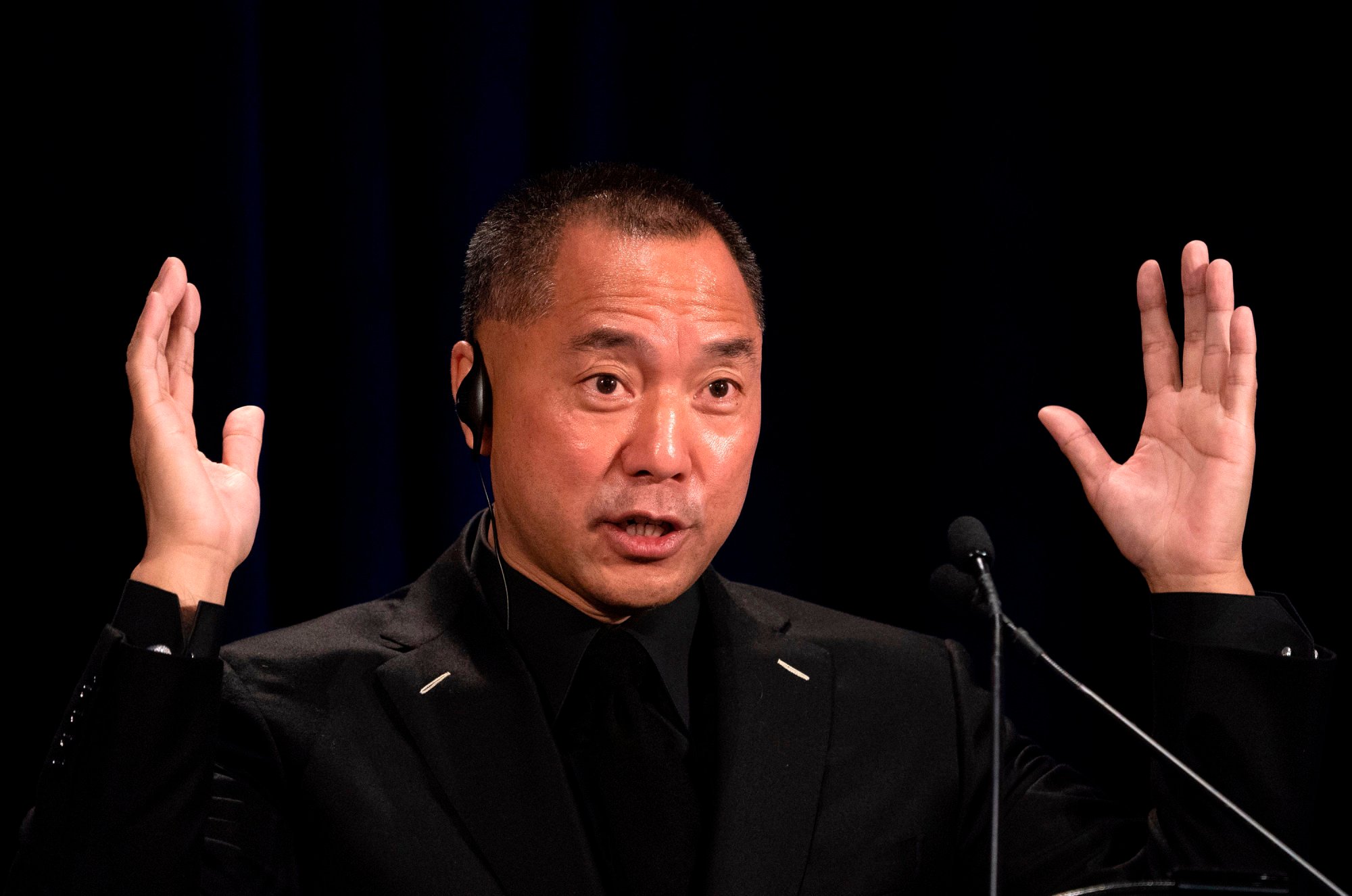
Its efficiency was seen in a case last year, she said, in which directives under Fica were issued to TikTok, Meta and YouTube to restrict 95 accounts linked to exiled Chinese businessman Guo Wengui.
Singapore had said posts from the accounts alleged that a “foreign actor” was involved in the state’s selection of Prime Minister Lawrence Wong “behind the scenes”.
“This layered approach also allows Singapore to intervene at different stages, from correcting misinformation to disrupting coordinated inauthentic behaviour. It can certainly reduce visibility, limit virality, and raise the cost for malicious actors,” Jalli said.
Limitations of tech companies
But while Zulfikar’s TikTok and Facebook original accounts were disabled following the orders, he continued to share posts after migrating to new accounts on both platforms.
Analysts say this reflects a huge global challenge where regulations may be limited to a country’s jurisdiction in a borderless online space.
As some of Singapore’s laws such as Ocha would only apply within its borders, harmful content remained accessible globally, and actors could just open and operate accounts from abroad, said Shahzeb Mahmood, head of research at Tech Global Institute.
Tech companies would have to constantly monitor an individual to prevent such instances from happening, but such scrutiny would imply surveillance as a non-state actor, begging privacy and safety concerns, he added.
Companies may also not have the technological capacity to carry out directives efficiently.
“The biggest problem faced by a tech company is the problem of scale, because it’s a resource-intensive obligation to moderate billions of content from all over the world and address them in a timely manner,” Mahmood said.
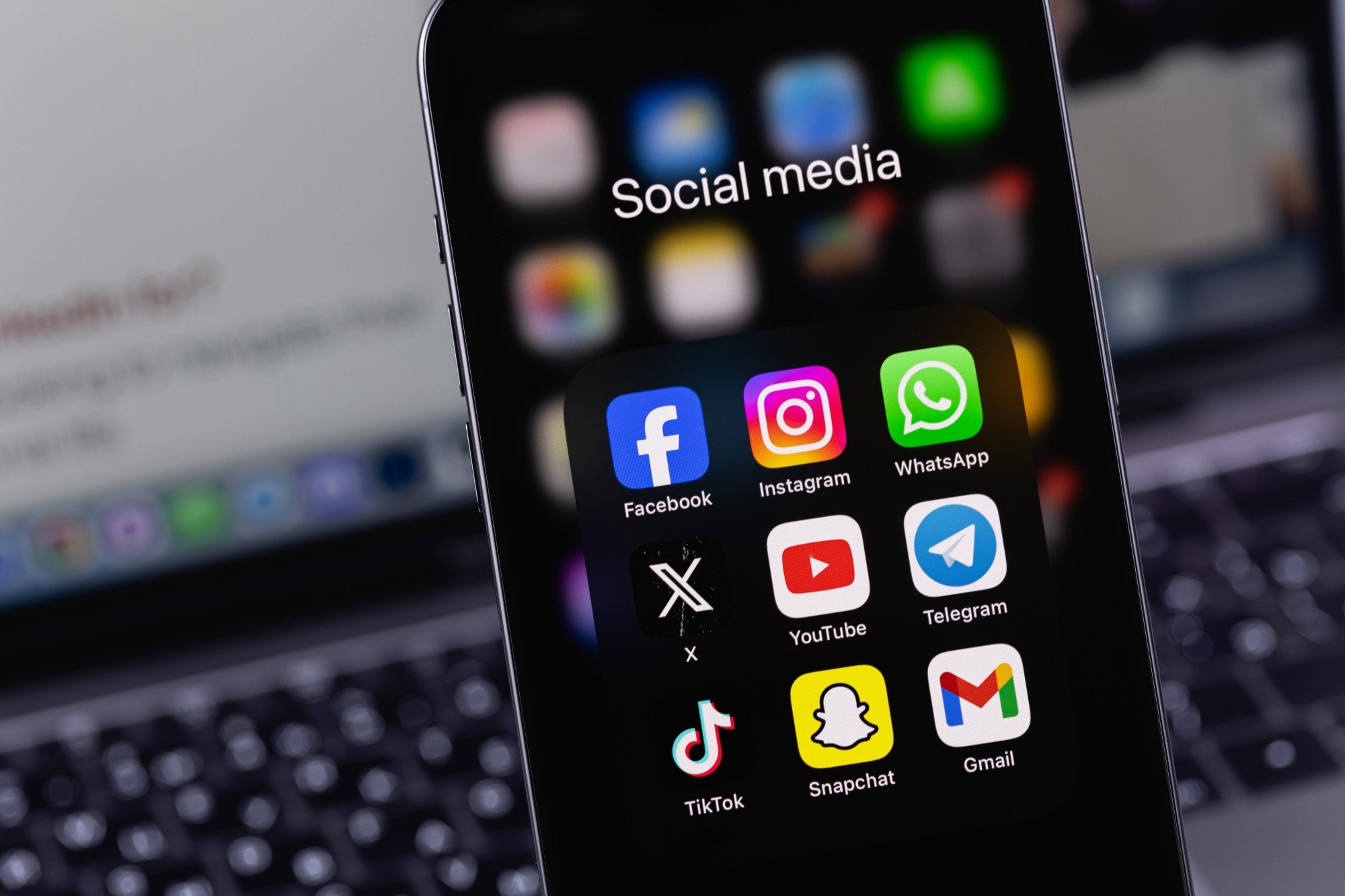
As the political landscape becomes increasingly fraught, determining whether content is objectionable enough to be removed after governments impose directives is also a pressing challenge for tech companies, according to analysts.
“Distinguishing whether terminologies are foreign interference or inflammatory along racial and religious lines, or just satire or genuine political expression, that’s a very complex place to be in,” Mahmood said.
Companies also have to balance multiple stakeholders including human rights organisations and academics, and their own corporate values, analysts note.
This was evident when Rohingya refugees sued Facebook in 2021 over allegations that the platform did not take action against hate speech that contributed to violence.
“It’s very difficult, because they have to play between the grey zone of freedom of speech and foreign interference or misinformation,” said Lennon Chang, an associate professor in cyber risk and policy at Deakin University.
Facebook in 2020 blocked access to a page after Thailand threatened to take action against service providers over failure to take down content deemed defamatory to the monarchy. Thailand’s Computer Crime Act criminalises the dissemination of false information likely to affect national security and public safety.
The company later said it was “compelled” to do so and was preparing to challenge the request legally.
“Requests like this are severe, contravene international human rights law, and have a chilling effect on people’s ability to express themselves,” Facebook said.
Jalli warned that sweeping laws and heavy-handed digital controls could compromise freedom of speech and stunt healthy public discourse.
“You end up with a digital environment that is quieter, but not necessarily safer or more resilient,” she said.
Laws in Thailand, Indonesia and Vietnam have ignited freedom of speech and data privacy concerns, especially from human rights advocacy groups and internet users.
In Vietnam, a decree that came into force in December last year compels tech companies operating in the country to store user data, provide it to authorities on request, and take down content the government deems “illegal” within a day.
Critics have called the cybersecurity law a “draconian” measure that will undermine freedom of speech in the country. The decree builds on a 2018 cybersecurity law that was criticised by the US, European Union and advocates who said it mimicked China’s repressive internet censorship.
Australia is also moving to tighten online controls, though with a focus on child safety. From Wednesday, it will implement what officials describe as the world’s first nationwide ban on social media accounts for children under 16, requiring platforms such as TikTok, Instagram and YouTube to block underage users or face steep penalties.
Malaysia announced last month that it would do the same from January 1.
Increasing digital literacy
As technology evolves at an unprecedented pace, analysts have called for a regional framework and improved public digital literacy to complement enforcement measures.
“While laws play an important role in signalling to the public and users what is acceptable and unacceptable behaviours, and provide recourse and remedies to victims, they will always play catch-up with technology,” said Carol Soon, deputy head of communications and new media department at the National University of Singapore.
Chang said the most crucial step in reducing the harmful impacts of such cyberthreats was to increase digital literacy levels in the community, such as the ability to do fact-checking.
Governments have also taken steps to keep pace with the cyber landscape.
In September, Singapore’s Home Affairs Minister K Shanmugan said lawmakers intended to amend Fica to better tackle threats, noting deepening geopolitical divisions and risks of racial and religious polarisation.
Mahmood called for a regional or international framework, which he said would give policymakers in individual countries an example to replicate.
“It requires concerted global effort, it can’t be just one country doing it all. The success of models depends on whether there’s equitable participation,” he said.
“I think governments should be leading, but there is ample opportunity for tech companies and civil society, and everyone else in between, to contribute to this conversation and design a governance model that serves the people.”
More Articles from SCMP
As US, EU and Japan boost defence spending, is stimulus their true intention?
China warns internet platforms not to shift tax burden onto gig workers
China leans on German carmakers to help break Brussels tariff deadlock, fix Nexperia mess
Hong Kong’s DAB party loses popular support, but retains crown as Legco’s biggest
This article originally appeared on the South China Morning Post (www.scmp.com), the leading news media reporting on China and Asia.
Copyright (c) 2025. South China Morning Post Publishers Ltd. All rights reserved.