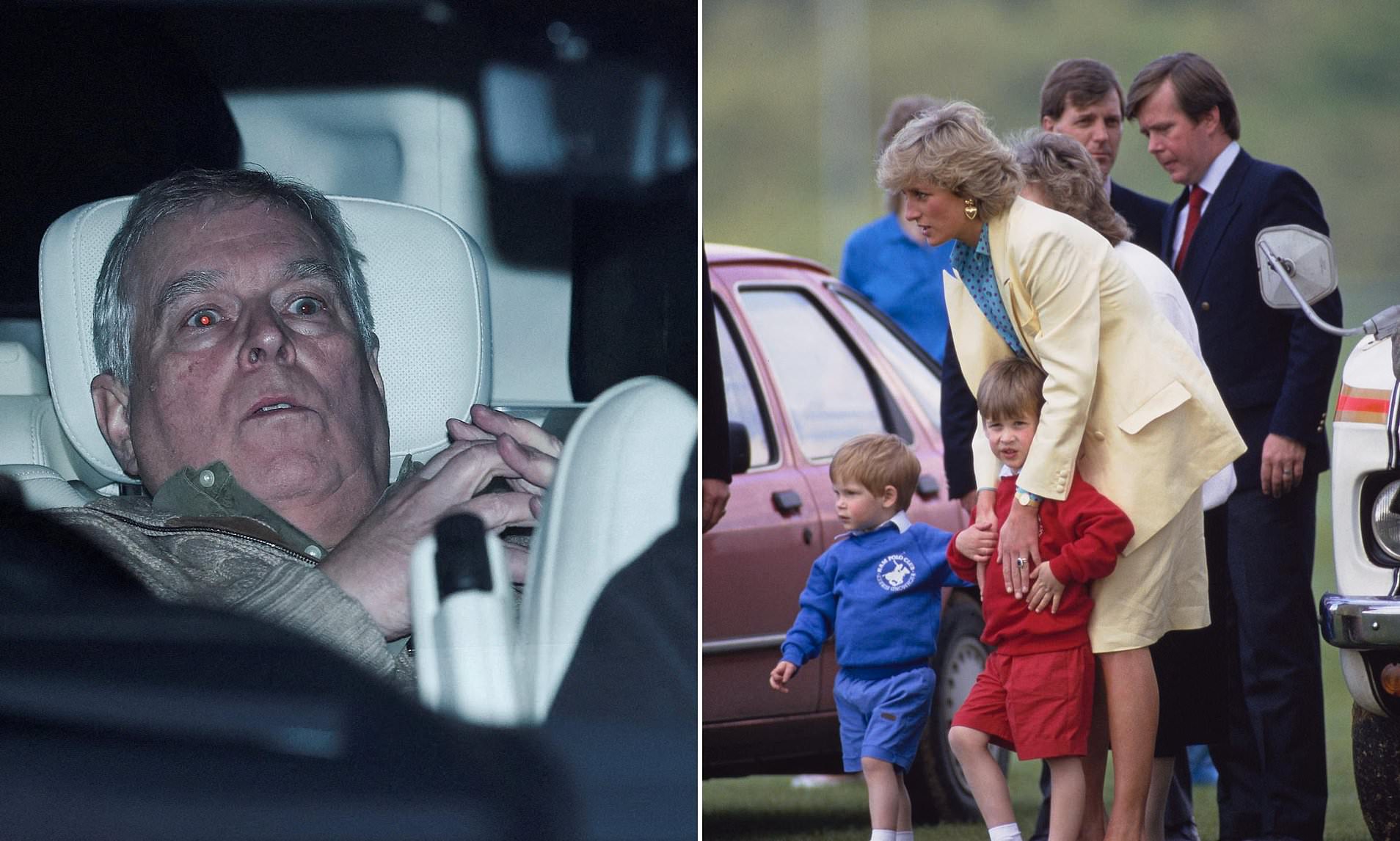
Ken Wharfe Speaks Out on Andrew Mountbatten-Windsor Scandal
Ken Wharfe, the former bodyguard of Princess Diana and a Scotland Yard inspector trained in the SAS, has publicly criticized Andrew Mountbatten-Windsor, the disgraced former royal. Wharfe described Andrew as “one of the most arrogant individuals I’ve ever had the misfortune of meeting.” His comments come amid ongoing scrutiny surrounding Andrew’s association with Jeffrey Epstein, a convicted sex offender.
Wharfe served as Diana’s personal protection officer from 1988 to 1993 and was known for his close relationship with the princess. He shared his perspective on the situation during an appearance on the Suddenly Single podcast, where he emphasized that the issue involving Andrew is “excruciatingly toxic” and continues to dominate public discourse.
Andrew, now 66, was arrested on February 19 at Wood Farm on the King’s Sandringham estate in Norfolk on suspicion of misconduct in public office. He was held for 11 hours before being released under investigation by Thames Valley Police. Although he has not been charged, he has consistently denied any wrongdoing. The arrest followed the release of millions of Epstein-related files by the US Department of Justice in January, which included emails suggesting that Andrew forwarded confidential reports from his visits to Southeast Asia to Epstein while serving as Britain’s trade envoy.
King Charles III responded to the situation with a brief public statement, saying, “Let me state clearly: the law must take its course.” Andrew had already been stripped of all royal titles by October 2025. He first surrendered the Duke of York title, and later, King Charles formally removed his ‘Prince’ designation and ‘His Royal Highness’ style via Letters Patent. As a result, Andrew lost his Order of the Garter, Royal Victorian Order, place at Royal Lodge, and his £1 million annual allowance. He is now known simply as Andrew Mountbatten-Windsor.
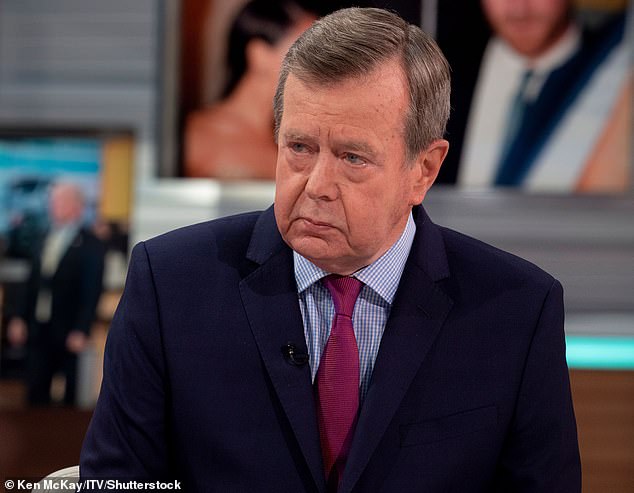
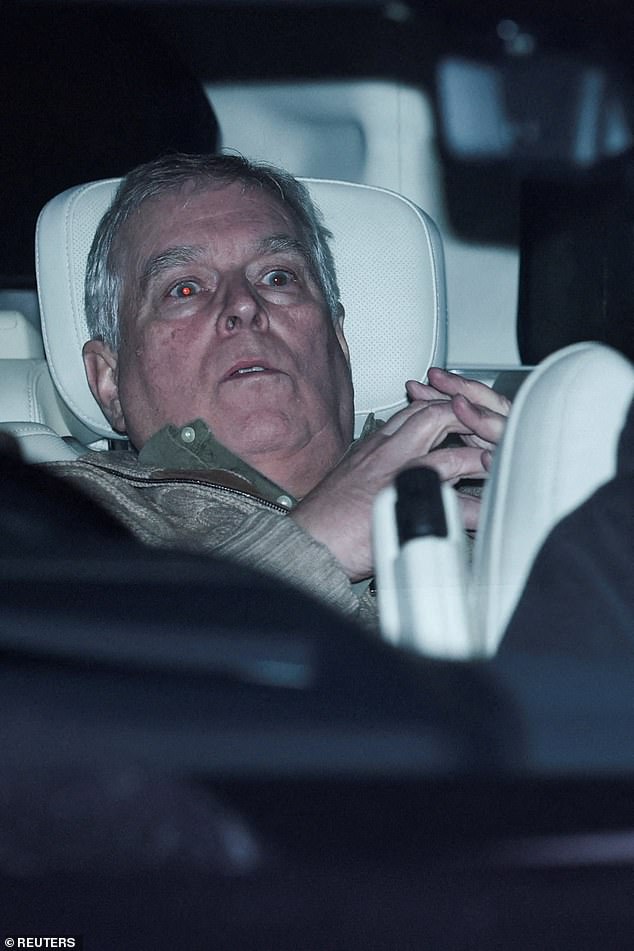
Wharfe spoke candidly about the ongoing impact of the scandal on the royal family. He noted that the issue involving Andrew has created significant challenges for King Charles, who has also dealt with the loss of his younger son, Prince Harry, to self-imposed exile in America. Wharfe highlighted how this period has been particularly difficult for the king, as he tries to navigate the fallout from his brother’s disgrace and the absence of Harry, who was expected to play a key role in the future of the monarchy.
“William and Harry were to be part of the King’s future design of the monarchy,” Wharfe said. “Unfortunately, he’s lost that third—Harry—who I think was an important part of restructuring the monarchy for the future.”
Harry’s Marriage and Its Impact
Wharfe also reflected on Prince Harry’s marriage to Meghan Markle, describing it as a moment that could have “moved and changed the Royal Family forever.” He recalled the initial excitement when Harry married a woman of mixed heritage, an American, and a divorcee. However, he expressed disappointment that the marriage did not live up to its early promise.
“I think Meghan never really understood it,” Wharfe said. “And I don’t think Harry really anticipated that, in some months later, he’d be disappearing to America, to live a life of exile, almost.”
Despite his initial reservations, Wharfe acknowledged that the global climate has changed, and he believes there may be a shift in how the government and Metropolitan Police approach security for Harry. He suggested that Harry might eventually return to the UK, but emphasized that resolving his estrangement from the family would be essential.
A Lingering Question
Wharfe speculated on Harry’s future role within the monarchy, stating, “Does he have a role to play in the future of the monarchy?” He added, “I think he does—quite how he does that, I don’t think he even knows yet.”
The former bodyguard also commented on Harry’s current life in Montecito, California, with Meghan and their two children. He suggested that the initial appeal of their celebrity lifestyle has faded, leaving Harry feeling somewhat isolated.
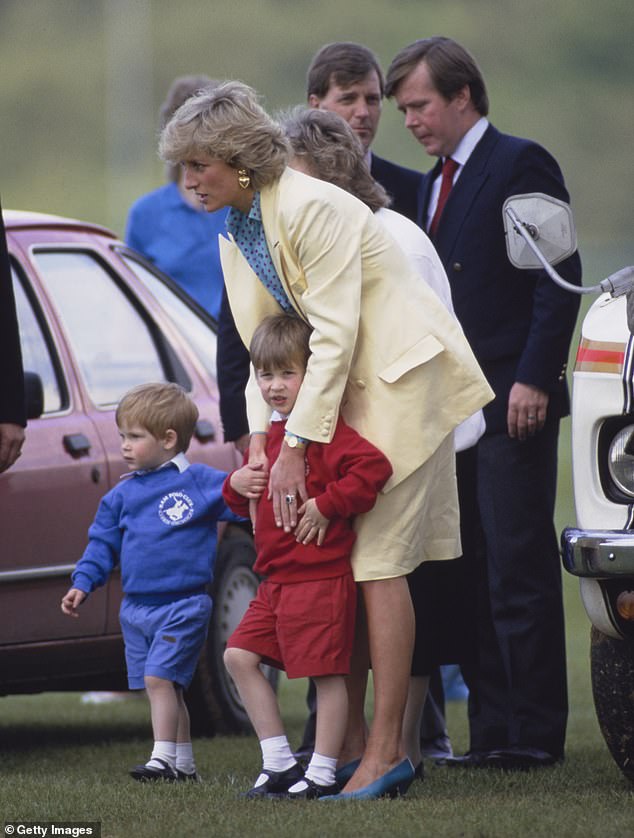
As the royal family continues to grapple with these challenges, Wharfe’s insights offer a rare glimpse into the personal dynamics and complexities of life within the institution. His words underscore the profound impact of these events on both the individuals involved and the broader legacy of the monarchy.