Final Preparations for Nepal’s Election
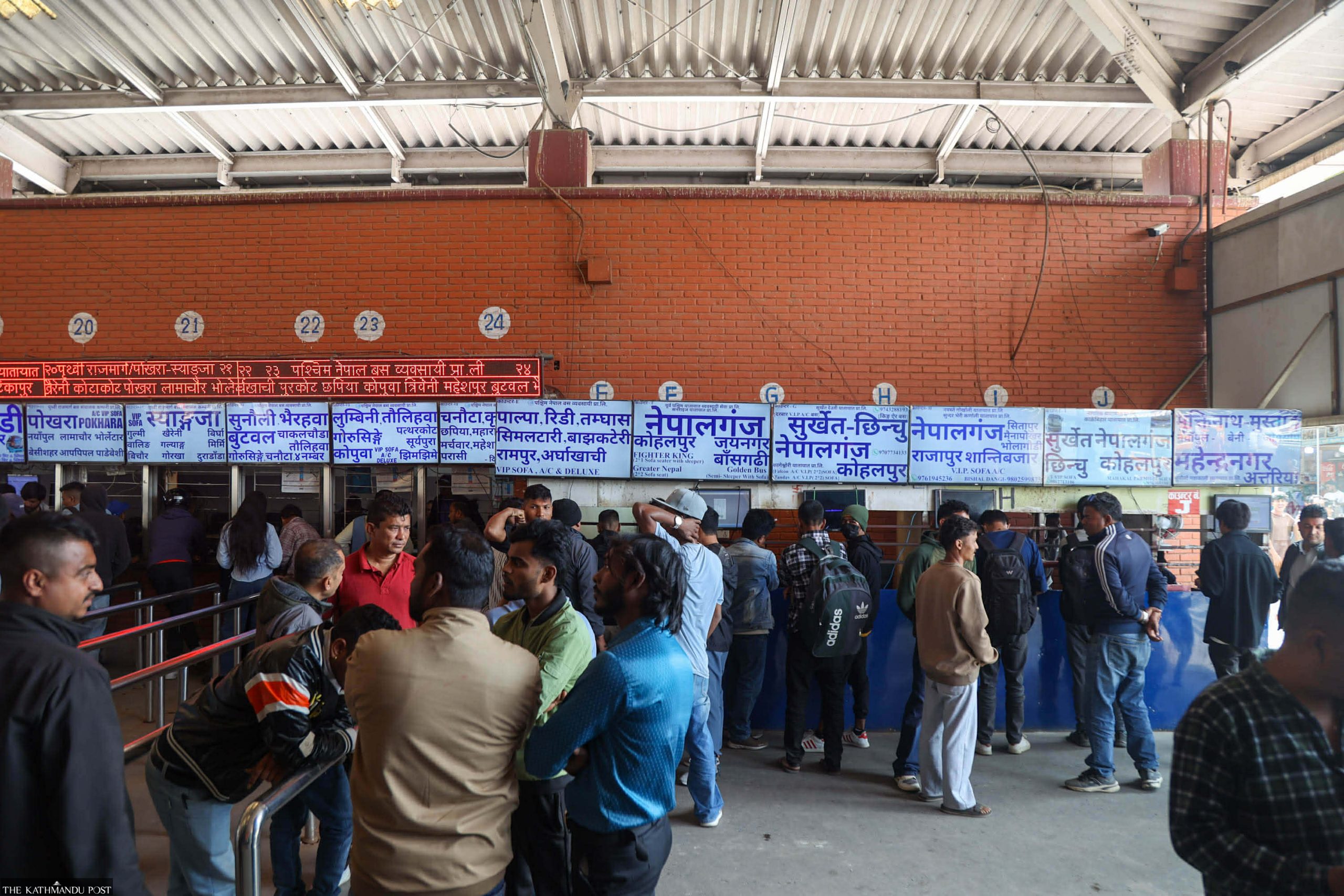
As Nepal approaches its crucial election day, the country is in the final phase of its electoral preparations. Candidates have concluded their campaigning on Monday, marking the start of a two-day silence period that will allow voters to make informed decisions before casting their ballots.
The Election Commission permitted candidates and political parties to conduct full-scale electioneering for 15 days, beginning on February 16. However, as of Monday night, a strict 48-hour silence period has been enforced. During this time, no election-related activities are allowed, including political advertisements, social media campaigns, or any form of message dissemination requesting votes.
Kul Bahadur GC, an assistant spokesperson at the Election Commission, emphasized that all campaign materials within a 300-meter radius of polling stations must be removed once the silence period begins. Additionally, posting, sharing, or disseminating any messages, information, or campaign material through social media, print, or electronic platforms is strictly prohibited.
The Election Code of Conduct also includes several restrictions. From three hours before voting starts until the end of the voting process, no one is allowed to obstruct voters or officials at polling centers. Furthermore, activities such as playing musical instruments, organizing singing and dancing, hosting public feasts, holding processions, or creating disturbances are banned for 48 hours before the vote.
A total of 18,903,689 citizens are registered to vote on March 5. They will elect a 275-member lower house, with 165 seats filled under the first-past-the-post system and 110 under proportional representation.
GC stated that all necessary preparations for conducting, supervising, and managing the election are now in the final stages.
President and Prime Minister Urge Citizens to Vote
With the election just two days away, President Ramchandra Paudel and Prime Minister Sushila Karki have both appealed to eligible citizens to participate in the democratic process, calling it a decisive moment for the country’s future.
In a statement, Paudel described the vote as more than a constitutional process—it is a historic opportunity to strengthen and make more resilient the journey of the federal democratic republic. He highlighted the need to address challenges in good governance, social justice, accountable leadership, and service delivery.
“I believe the upcoming election will help institutionalize these aspirations and inject new energy into democracy,” said Paudel. “The vote should honor the dreams of earlier generations who fought against authoritarianism and the martyrs who sacrificed their lives. It should also respond to the younger generation’s demand for good governance, transparency, and accountability.”
He urged all political parties, candidates, civil society, media organizations, and institutions to ensure the electoral process is conducted in a peaceful, free, fair, and fearless environment.
Prime Minister’s Address: A Decision for the Future
Earlier in the day, Prime Minister Karki delivered a national address, emphasizing that voting is not merely about stamping a symbol but about deciding the future of individuals and their children.
She referred to the period following the Gen Z movement as “complex, sensitive, and challenging,” marked by public anger and uncertainty. The government’s first duty, she said, was to steer the country away from violence and back to the constitutional path.
“Today, we have crossed that difficult transition and moved forward with stability under the rule of law,” she said.
Karki urged political parties and candidates to maintain discipline, especially during the silence period, and thanked the Election Commission, security agencies, and civil servants for their efforts to ensure free and fair polls. She also warned against misinformation on social and mainstream media, stating that authorities are actively addressing fabricated content and misleading claims.
“There will be no impunity of any kind. The government will not step back from action as required by law,” she said.
Holi and Foreign Affairs
Extending greetings on Holi ahead of the vote, Karki encouraged people to celebrate responsibly, without applying colors to anyone against their will. She noted that the festival symbolizes unity and goodwill.
On foreign affairs, Karki expressed concern over rising tensions in West Asia. She mentioned that the government is closely monitoring developments and prioritizing the safety of Nepalis in the region.
“All Nepali missions in the region have been placed on alert to help with security, and the Ministry of Foreign Affairs is closely monitoring the situation,” she said.
Karki concluded her address by stating that she assumed office at a difficult moment and that the country’s direction would soon rest with the people’s chosen representatives. “In a few days, the country will be led by representatives you elect,” she said, urging voters to ensure peaceful and credible polls.