Australian F1 Grand Prix Set for March 8 at Albert Park
The Australian F1 Grand Prix is scheduled to take place on March 8 at the iconic Albert Park circuit. However, the event may not go as smoothly for Aston Martin, who are bracing themselves for potential challenges. Their car has reportedly been experiencing significant issues, leading to concerns that they might only be able to complete a limited number of laps during the race.
Aston Martin’s partnership with Japanese manufacturer Honda officially kicks off in Melbourne, but early signs are not promising. Reports suggest that the team faced a difficult testing phase in Bahrain last month, where engine and gearbox problems plagued their efforts. The team managed to complete only a few laps, with Honda later admitting that there are serious issues with the power unit.
These engine problems have resulted in a severe shortage of parts for the new car, prompting the team to consider running only the minimum number of laps in Melbourne. F1 teams face heavy penalties if they fail to line up for races, and there are rumors that Aston Martin might send their cars out for just a lap or two before retiring them.
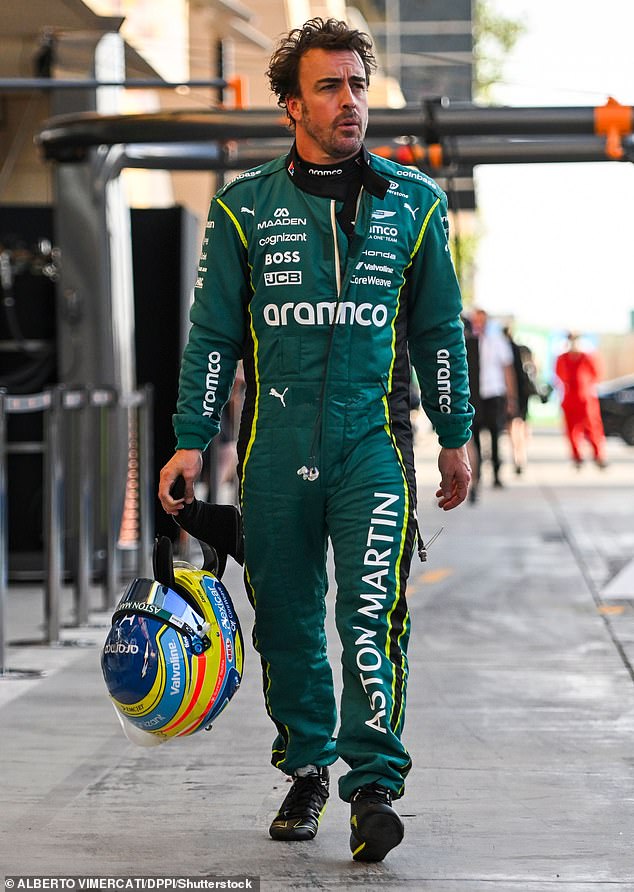
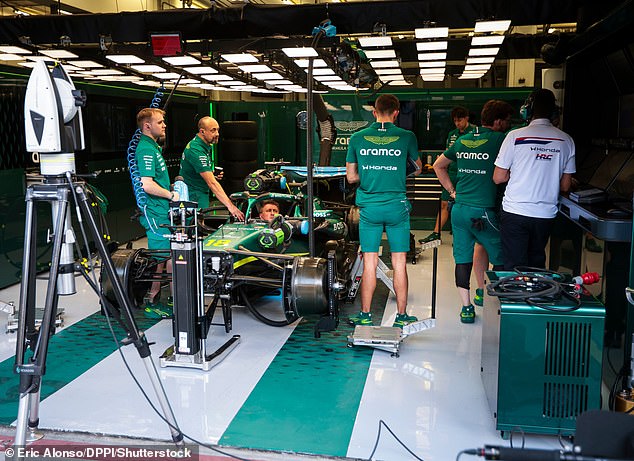
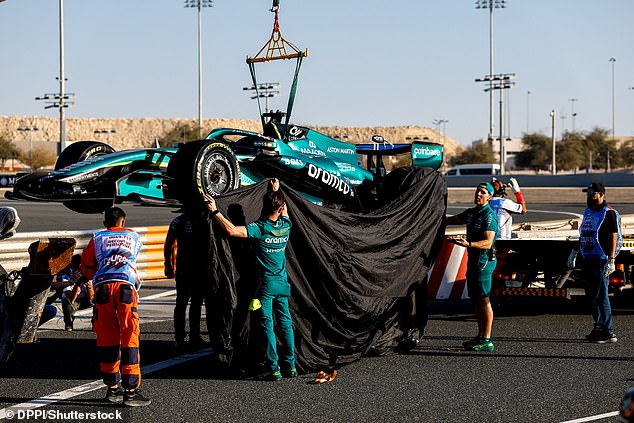
Another concerning possibility is that the cars may be so far off the pace that they won’t even make it onto the starting grid. According to F1 rules, drivers must set a qualifying time within 107% of the quickest time from the first qualifying session to be allowed to race. Given the disastrous pre-season testing run, it remains uncertain whether Aston Martin’s car will meet this requirement.
Formula 1 commentator Martin Brundle has expressed concern over Aston Martin’s situation, stating that the team is in “dire trouble.” He believes they will struggle to compete against top teams like McLaren, Mercedes, Red Bull, and Ferrari.
“It’s clear to me that the correlation between the wind tunnel – the digital wind tunnel, the CFD [computational fluid dynamics] – and the stopwatch on the racetrack, it looks like it is miles out, because the car didn’t exactly look stuck to the road (in Bahrain) when it was running,” Brundle said.
“Honda was pulling out, then they came back in. They seemed a long way behind on battery recovery – on the power recovery – and reliability, they are churning through their cost cap on the motor side already, and with parts and batteries.”
“Aston Martin also has no data [to go on]. It’s a snowball effect for them, and they’re in dire trouble. I’m sure they’ve got the resource and the brainpower to do something about that, but it’s going to take some time.”
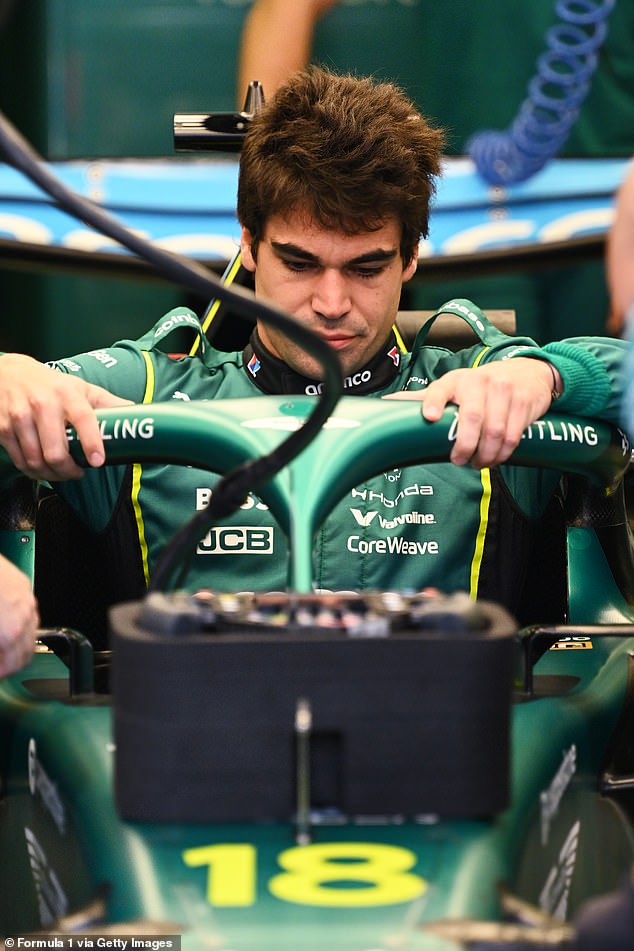
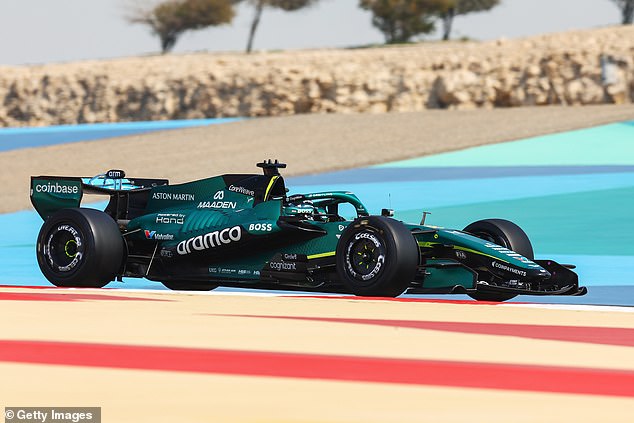
Aston Martin ambassador Pedro de la Rosa acknowledged that the team is still trying to understand the fundamentals of its all-new package under F1’s sweeping 2026 regulation changes.
“There are so many things on the list to be tested that we haven’t had time to – physically no time,” he told F1.com. “We have identified clearly what the biggest priorities are, but then you go deeper into these priorities and there’s a long list of other little things.”
“What makes it more difficult for us is that we need to integrate all these new elements. We have the new regulations, we designed our own gearbox, the rear suspension, we have Honda, and we’re working with Valvoline and Aramco on new lubricants and sustainable fuel.”
Meanwhile, Brundle has predicted a “slightly wild” weekend at Albert Park due to the sport’s new regulations. “It’s a dramatic change, the biggest ever in Formula 1, and we’re right at the very beginning of it,” he said as teams prepare for the virtual 50-50 split between internal combustion and electrical power.
“Teams have got to find ways of replenishing the battery and for it to not dominate the lap so much, but I think they’ll quickly do that and migrate together in terms of how they want to charge and use their power. But, in the beginning, it’s going to be slightly wild.”
“We’re going to get unreliability as well, much more than we’ve seen in the last few years, when the last hybrid engines became bulletproof, really, and so did the cars. I think you’ll not think you have won a Grand Prix until you literally see the chequered flag.”
“We are going to see a lot of variability but we’re in a massively better place than we were in 2014 when the hybrid engines first came in because only Mercedes got it right then and everybody else was floundering around. This is much closer.”