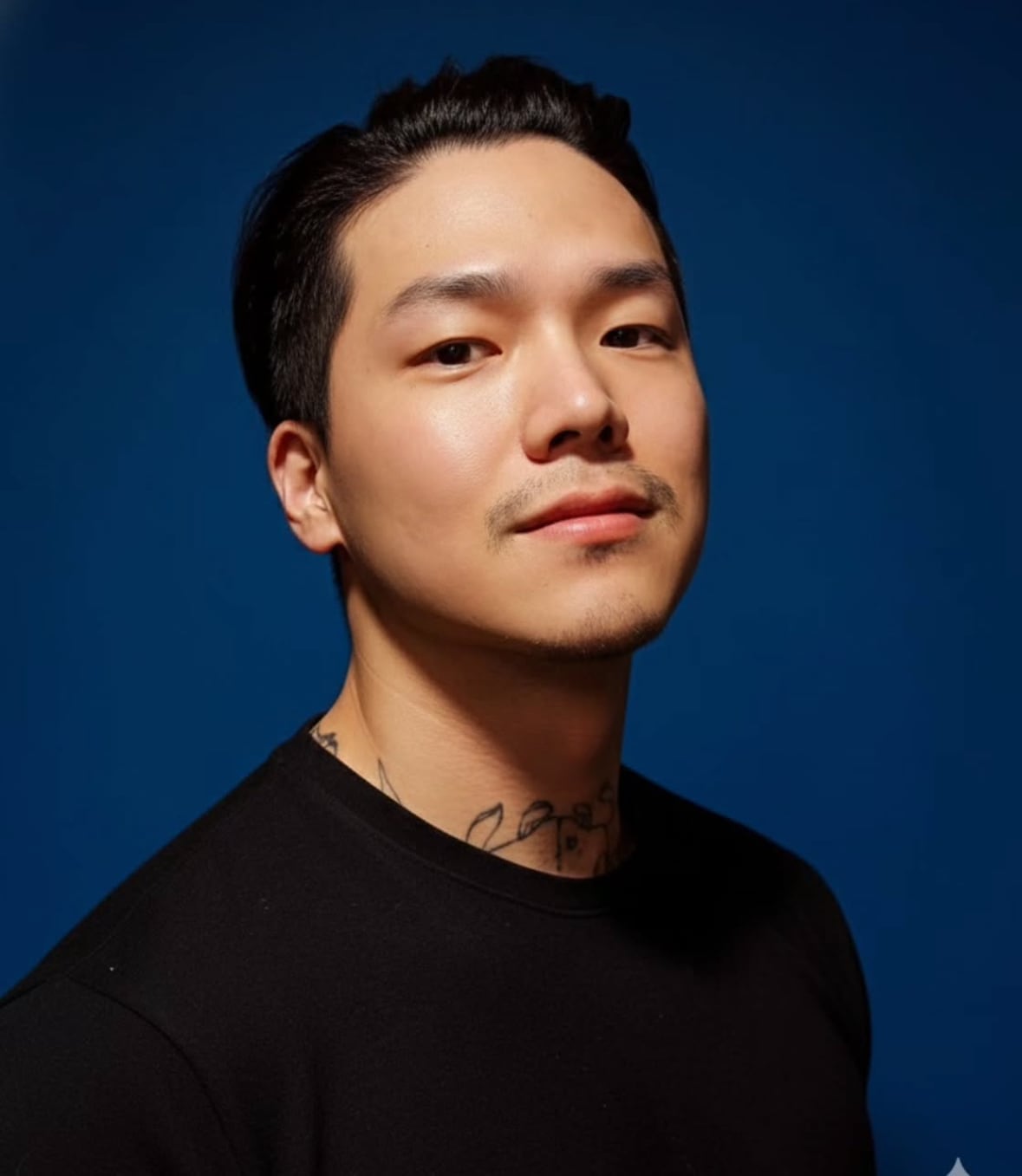
Efforts are underway to establish a labor union for K-pop idols to protect their rights. The head of the preparatory committee is Bang Minsu, 33, who was active as “Cap” in the group “Teen Top.” After achieving success as an idol, he suddenly left the group, saying, “I was wearing clothes that didn’t fit for a long time.” What made him turn his attention back to the idol industry?
“I’ve seen many cases where idols don’t receive proper pay and are trapped by their agencies. Someone needs to speak up, but active idols hesitate. I’m not involved in the entertainment industry anymore and won’t face any disadvantages, so I stepped forward.”
This isn’t an out-of-the-blue move. Last year, he participated in a National Assembly forum, pointing out the darker side of the idol industry, saying, “The majority of idols receive only a 3 million Korean won signing bonus during their seven-year exclusive contract period and endure without income if they fail after debut.” When NewJeans’ Hanni testified during a National Assembly audit that there was ostracism within HYBE, he went live on YouTube and made a controversial statement: “The focus should be on the vulnerable groups in the entertainment industry. NewJeans is considered a different class, so would stories like ‘they didn’t receive greetings’ or ‘the team was ignored’ resonate?”
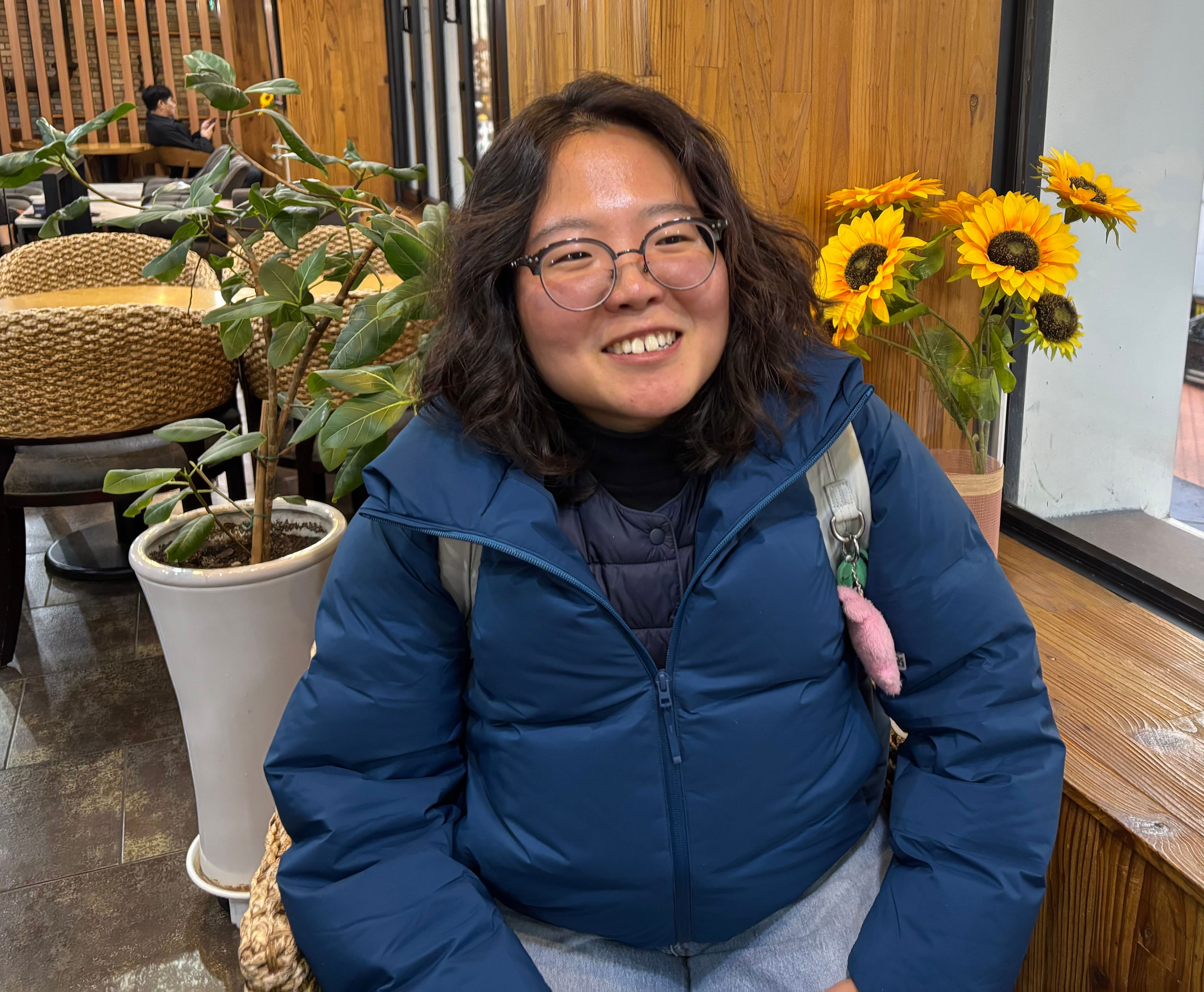
In May, Seo Minseon, 29, a research fellow at the Democratic Party of Korea’s Youth Policy Research Institute, proposed establishing an idol union to Bang. A former fan of SHINee and f(x), Seo naturally became interested in the idol industry when she began working at the Democratic Party’s Youth Policy Research Institute in February. The two agreed that a union representing idols is necessary to improve their working conditions and submitted an establishment report to the Ministry of Employment and Labor’s Seongnam branch in September. In October, they submitted additional documents to prove their eligibility as workers under the Labor Union Act and are awaiting a decision from the labor office.
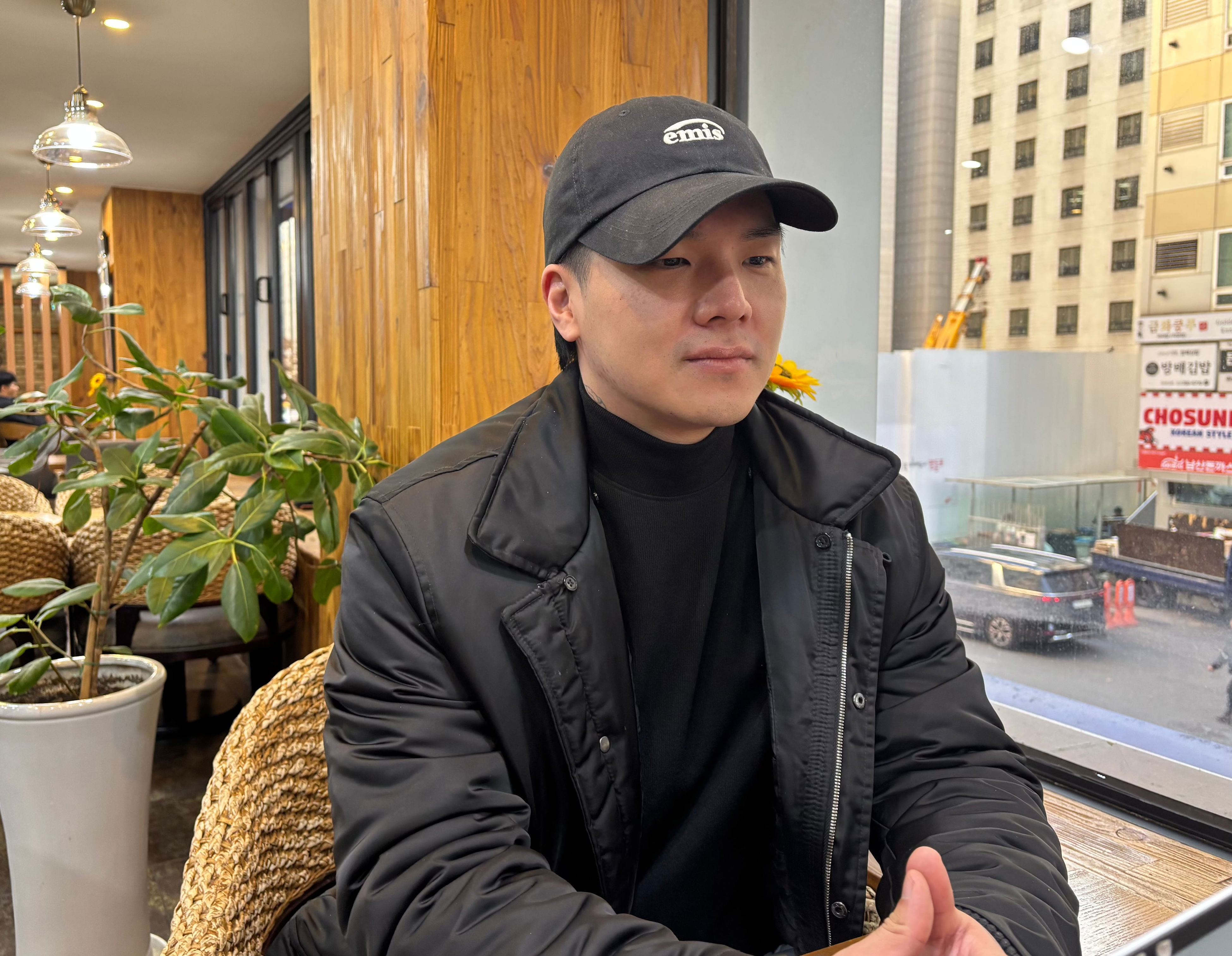
On the 4th, we met with Bang Minsu, the head of the preparatory committee, and Seo Minseon at a cafe in Yeouido. When asked to pose for a photo, Bang, a former idol, struck a pose nonchalantly. “I’m actually quite good at this kind of thing.”
◇ “I Can Take the Criticism”: The Unpopular Idol Who Became the Union Preparatory Committee Chair
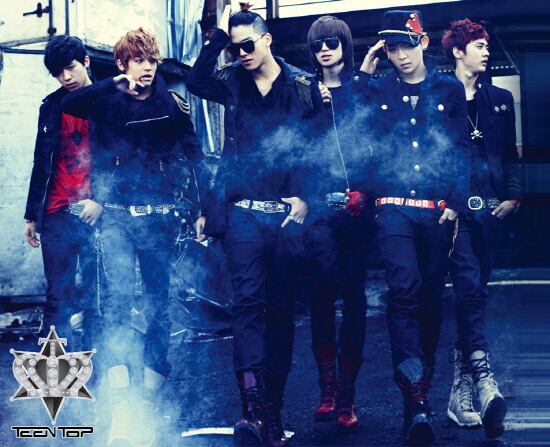
Bang debuted in July 2010 as a member of the group “Teen Top.” Though affiliated with a mid-sized entertainment agency, the group garnered attention from its debut due to production by Andy of the group “Shinhwa.” Hits like “Don’t Spray Perfume,” “To You,” “Long Hair Girl,” and “Not a Joke,” along with synchronized dance moves, boosted their popularity.
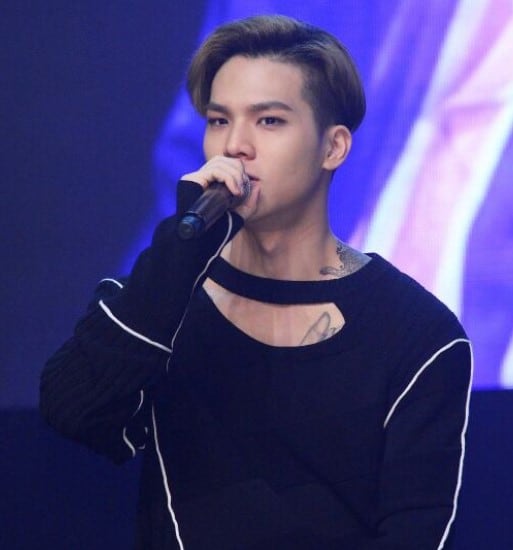
In May 2023, after completing military service and as Teen Top prepared for a comeback, Bang smoked and used profanity on a personal internet broadcast, sparking conflicts with fans and leading to his departure from the group. He later criticized a senior idol for swearing over a lack of greetings, further alienating him from idol fans.
When news broke in November that Bang had taken the role of union preparatory committee chair, cold reactions followed: “Why are you still lingering around the industry after quitting?”
– How did you come to push for an idol union?
“In May, I sent Instagram DMs proposing a union to five former idols. Most didn’t reply or declined, saying they were busy, but Bang immediately responded, agreeing to help.” (Seo Minseon)
– What’s the reaction from fellow singers?
“After seeing the news, they ask about the union. They agree on its necessity, saying, ‘Why didn’t this exist sooner?’ But they also say, ‘Why are you taking the lead? You’ll face criticism.’ I reply, ‘I’m already criticized, and someone has to do it.’ Active idols are too busy, and their public influence makes them hesitant. When I was active, I was also too busy to notice these issues. After leaving, I saw the problems. Struggling idols find it hard to participate due to agency relations.”
Around ten singers, including Ailee, who publicly endorsed the union, have expressed intent to join once it’s formalized.
“Koreans view unions negatively, so everyone is hesitant. When I told Ailee, ‘This is about helping struggling junior singers,’ she agreed to join later. I think she was unaware of Korea’s negative perception of unions, perhaps thinking of U.S. unions.”
– Why the cold reaction to the idol union?
“I’m the spokesperson, but I hope the union’s image isn’t tainted by me. The union should be seen as a separate entity. I don’t want it to appear political.”
◇ “Idols Abandoned for Seven Years Without Income: Minimum Livelihood Must Be Guaranteed”
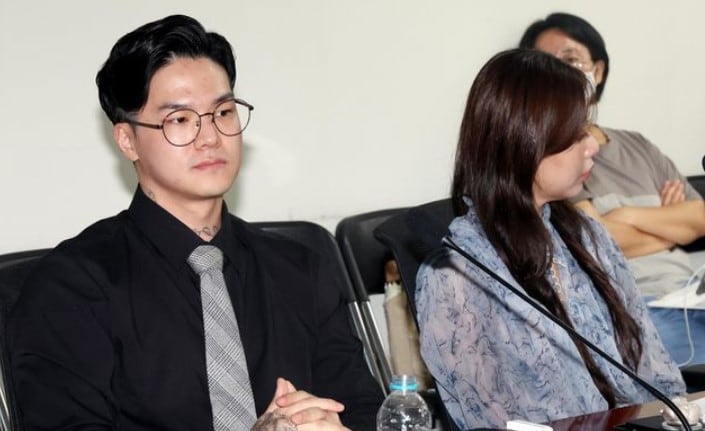
The two cited the union’s goals: guaranteeing idols’ minimum livelihood, expanding eligibility for the four major insurances, and supporting legal actions, comment deletions, and complaints when idols face harm from malicious comments.
“I’ve seen idols unable to work part-time due to contract clauses prohibiting activities that could harm their image, leaving them without income for seven years. A 3–4 million Korean won signing bonus is all they get. Agencies either neglect them or force them into absurd events to recoup investments. If minimum wage applies, their basic needs are met, and agencies—facing labor costs—would rather terminate contracts than keep unprofitable idols, allowing them to pursue other careers.”
“Even if idols suffer mental harm from malicious comments or get injured during activities, industrial accident insurance is hard to obtain, creating financial burdens for those without income.”
– Won’t increased labor costs reduce idol investments and make debuts harder?
“If agencies can’t afford minimum wage for idols, they should close. A decade ago, producing an album didn’t cost this much. Now, music videos use heavy CGI, and idols wear multimillion-won outfits. I don’t think albums need such excessive spending. Investment costs are inflated. They should decrease.”
– What labor do idols provide, and can working hours be calculated?
“Idols generate revenue through albums and broadcasts. If we consider them ‘products,’ their training to improve quality is also labor. Calculating hours is simpler now: agencies record check-in/out times, and external schedules have clear start/end times.”
◇ Are Idols ‘Workers’ Under the Labor Union Act?
Entertainers are typically classified as freelancers. To legally establish a union, idols must be recognized as workers under the Labor Union Act, which judges ‘economic dependency’ and ‘contractual dependency’—broader criteria than the Labor Standards Act’s ‘user-subordinate relationship.’ For example, delivery drivers are recognized as union-eligible workers but are not classified as regular workers under labor standards.
A 2018 Supreme Court ruling recognized broadcasters as union-eligible workers, citing unilateral contract terms, direction/supervision by broadcasters, and performance as labor deserving compensation.
Bang and Seo believe idols meet these criteria:
“Idols receive settlement payments from agencies. Exclusive contracts prohibit profit or non-profit activities that could hinder entertainment careers, limiting other work. Agencies often ban side jobs, citing image protection.” (Bang)
“Actors can choose projects, but idols have almost no say. They must accept most agency-assigned work, showing they’re under agency direction.” (Seo)
– Why a union? Isn’t there the Korea Musician Union?
“I’m probably registered there, but the union doesn’t seem to advocate for singers. A union gives idols reason to unite, a minimal platform to voice concerns, and accountability. We want more than minimum wage—we want industrial accident insurance. That’s why we’re framing this as ‘labor,’ not just ‘singers.’”
Critics argue idol labor differs from traditional labor. Wi Seung-won, head of a labor law firm, said, “While idols may qualify as union-eligible workers, they sell intangible goods. Viewing performances as labor risks overbroadening the labor category.”
◇ “Please Contact JYP”
– Were you always interested in labor issues?
“No. I’m not driven by justice—just saw struggling idols needing a voice.”
– If labor rights are guaranteed and negotiations fail, would you consider a strike?
“Strikes are unrealistic. But the public’s influence terrifies agencies. Even one news article could have massive impact.”
– What message do you have for Park Jin-young, co-chair of the Presidential Committee on Popular Culture Exchange?
“I don’t know if he’ll respond. JYP Entertainment treats idols and trainees well. I wish they’d share stories of the 99%—not just the 1% success stories. Or, if not, at least let me tell theirs.”
– You gained attention for physical labor like grass-cutting.
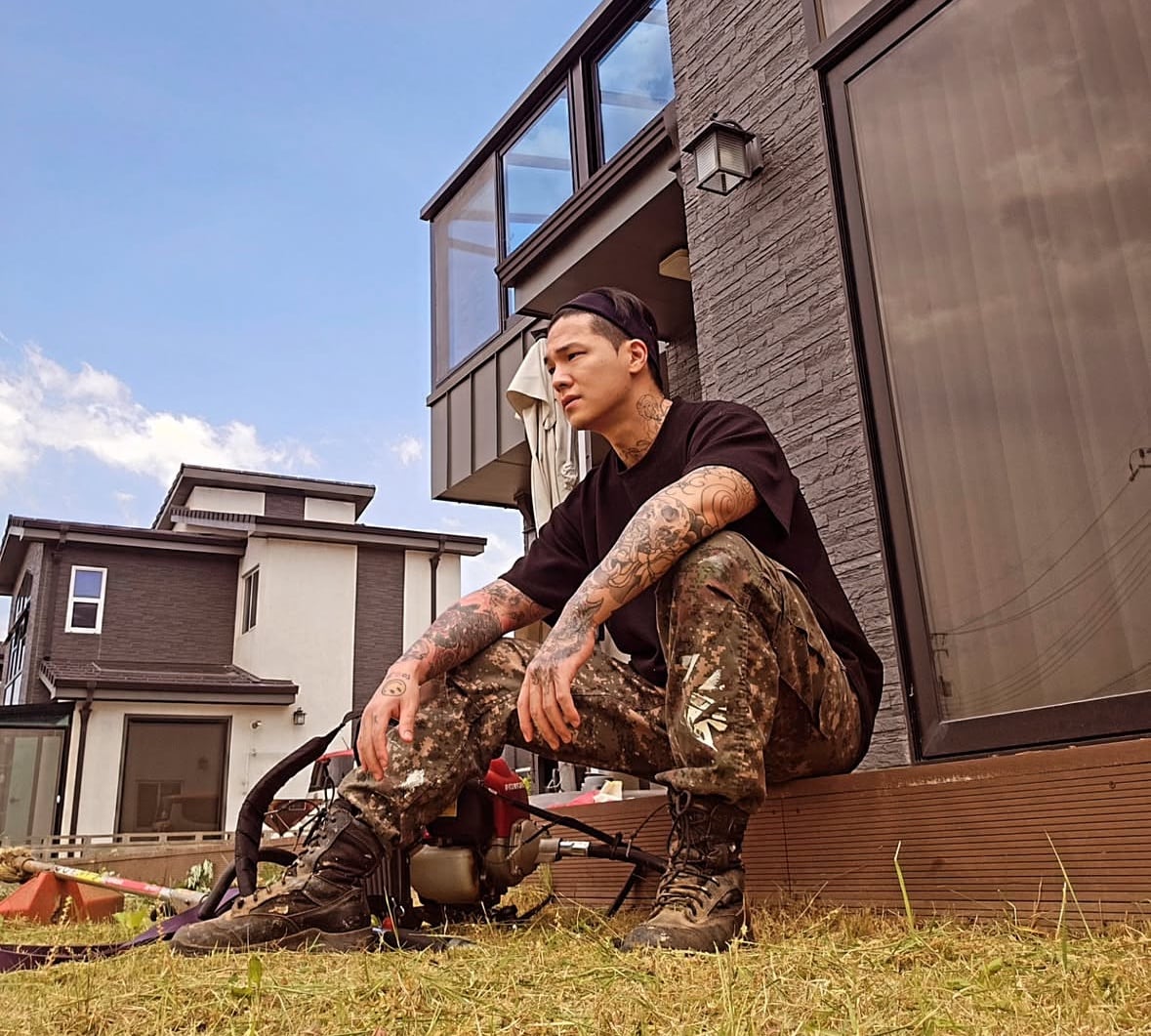
“After quitting, I did deliveries, worked at a Coupang logistics center, construction sites—grass-cutting suited me best. It’s tough under the sun, but seeing neatly trimmed grass is rewarding. My father worked in construction for 20 years, so I have no aversion to physical labor.”
– How’s your current income?
“I’m not cutting grass in winter. I teach art, sell goods and Oriental paintings. If I hadn’t debuted, I might have gone into web design—my high school major. I also get donations via YouTube live streams. I earn less than during my idol peak, but I’m less stressed and more emotionally stable. I smoked and loved discussing current events, which I couldn’t do as an idol—it made me restless and irritable.”
– What are your future plans?
“Privately, I want to open an art studio, but my first goal is growing the union’s influence.” (Bang)