Calabar’s Struggle with Waste Crisis
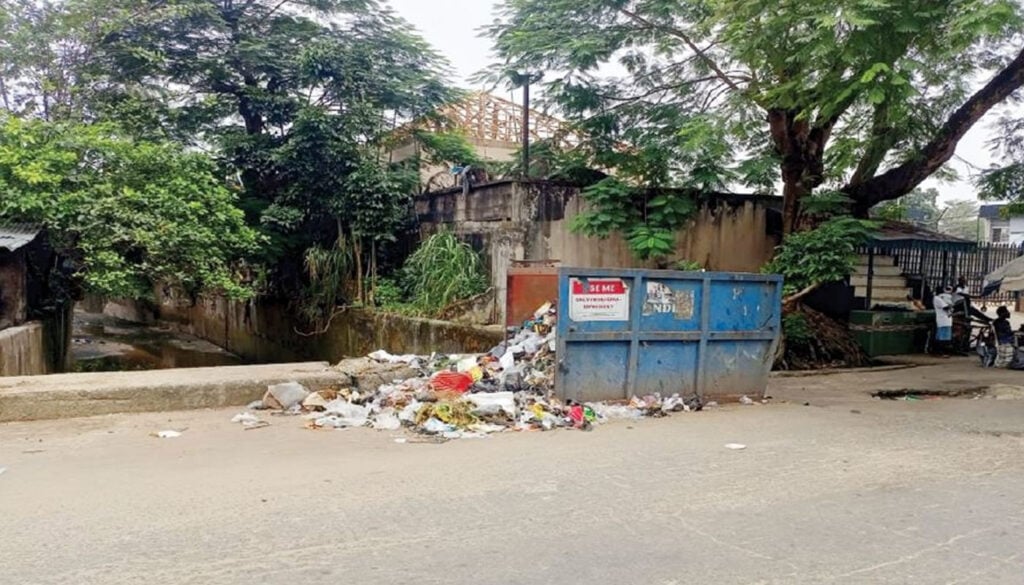
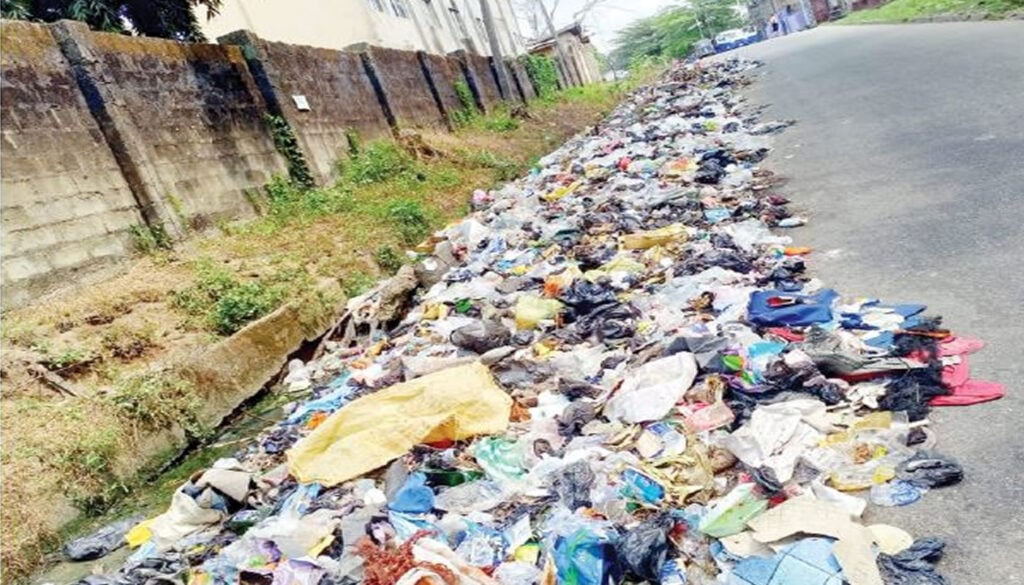
Calabar, the capital of Cross River State, once celebrated as Nigeria’s cleanest city, is currently facing a severe waste management crisis. The city, known for its cleanliness and vibrant tourism scene, now finds itself overwhelmed by heaps of refuse that have begun to dominate the streets, creating chaos for residents and motorists alike.
The situation has escalated to the point where people and vehicles must navigate through piles of garbage to reach their destinations. This has led to widespread frustration among locals, who are demanding immediate action from the government. Residents like Cletus Asuquo have taken to social media to express their anger, sharing images of streets littered with waste and criticizing the lack of effective waste evacuation efforts.
The problem has not only tarnished Calabar’s reputation but also raised concerns about public health. The accumulation of refuse has led to blocked drainage systems, resulting in flooding in certain areas. Scavengers have also taken advantage of the situation, picking through waste and reselling items that may pose serious health risks to the community.
A Shift in Leadership and Policy
The decline in Calabar’s cleanliness can be traced back to changes in leadership and policy over the years. During the administration of Governor Donald Duke, the city was known for its “Clean and Green” campaign, which emphasized environmental sustainability and urban beautification. Under his leadership, Calabar was transformed into a model of cleanliness, with strict regulations on waste disposal and regular cleaning initiatives.
However, subsequent administrations have struggled to maintain this standard. Elizabeth Enu-Akan, a long-time resident of Calabar, recalls how the city was managed during Duke’s time, with strict fines for littering and regular maintenance of bins. She noted that the current state of affairs is a far cry from those days, with many bins left in disrepair and no effective enforcement of waste management policies.
The situation worsened under the administration of Governor Ben Ayade, who failed to address the growing waste problem. Edie Edet, an activist, criticized the task force established during Ayade’s tenure, claiming that it was more focused on collecting bribes than maintaining proper sanitation in the city.
Efforts to Reclaim Cleanliness
In recent years, Governor Bassey Otu has taken steps to address the waste crisis in Calabar. His administration has worked closely with the Calabar Urban Development Authority to implement new waste management guidelines. On June 27, 2023, Otu introduced new rules requiring all refuse to be disposed of between 6pm and 10pm daily. This initiative aims to allow for effective monitoring of waste disposal and ensure that refuse is properly evacuated from the city.
Otu has also revitalized the street sweeping program and is working to improve the effectiveness of waste evacuation agencies. A special sanitation task force has been deployed to enforce these new rules, with penalties including arrest and a N50,000 fine for those who dump waste indiscriminately. The governor has also encouraged residents to participate in clean-up days and public awareness campaigns to foster a culture of environmental responsibility.
Despite these efforts, the city still faces significant challenges. In 2025, Cross River State lost its title as the cleanest state in Nigeria to Akwa Ibom, which ranked first with a cumulative score of 79 per cent. According to the State of the Nigerian Environment Report STONE 2025, Akwa Ibom has maintained its position as the cleanest state for eight consecutive years.
Resident Concerns and Health Risks
Residents of Calabar continue to voice their concerns about the growing waste problem and its impact on public health. Many have reported that the refuse has created unsanitary conditions, leading to an increase in flies and other pests. Commercial bus driver Effiong Effiom described the situation as “sad and terrible,” noting that despite monthly sanitation exercises, the city remains filled with refuse.
Experts warn that the accumulation of waste not only poses health risks but also contributes to flooding in certain areas. The state’s Commissioner for Environment, Moses Osogi, has acknowledged the issue and stated that the ministry is working to clear the refuse. He has contacted vendors responsible for the affected areas and warned that contracts may be terminated if no action is taken within the next 48 hours.
As the campaign to reclaim Calabar’s status as Nigeria’s cleanest city continues, residents are being urged to embrace the new directives as part of their civic duty. The goal is to restore the city’s reputation and ensure a cleaner, healthier environment for all.