The KOSPI Surpasses 3,700: A New Era for the Korean Stock Market
The KOSPI has recently crossed the 3,700 mark, marking a significant milestone in the Korean stock market. With a market capitalization that has surpassed 3,000 trillion Korean won, the market is experiencing an unprecedented bull run. Despite this surge, key valuation metrics such as the price-to-earnings ratio (PER) and price-to-book ratio (PBR) remain relatively low, suggesting there is still room for growth.
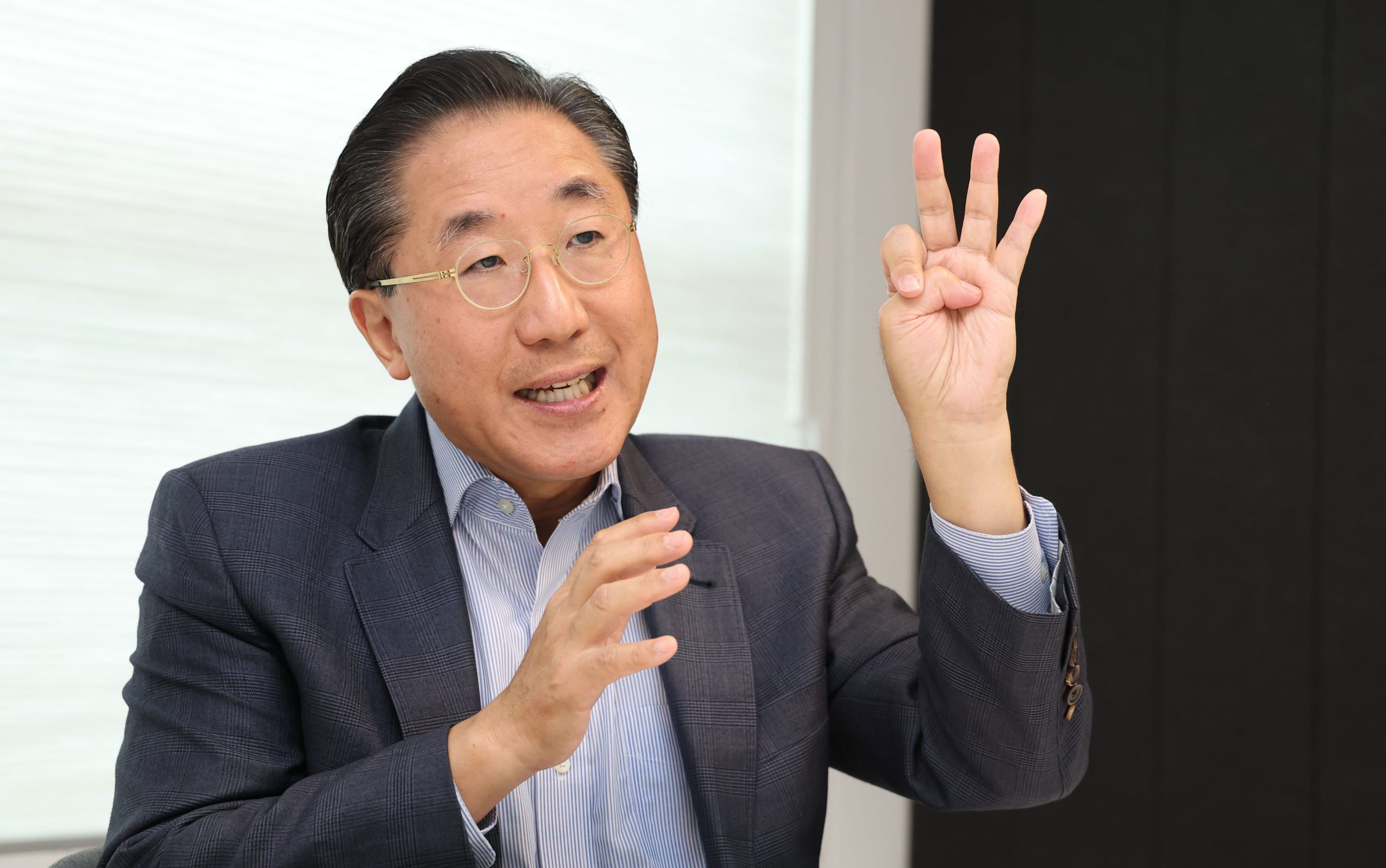
President Lee Jae-myung has been vocal about shifting investments from real estate to the stock market, criticizing the National Pension Service for its low domestic stock investment ratio. To gain deeper insights into the potential for qualitative growth in the Korean stock market, we spoke with Lee Nam-woo, chairman of the Korea Corporate Governance Forum. He has been at the forefront of reforms aimed at addressing the core issues behind the “Korea discount”—a term used to describe the low valuation of Korean stocks due to factors like poor corporate governance and low shareholder returns.
Foreign Investors Lead the Bull Market
Foreign investors are playing a crucial role in driving the current bull market. According to Lee Nam-woo, the revision of the Commercial Act in July acted as a catalyst, introducing shareholder loyalty duties and cumulative voting systems. These changes have given foreign investors more confidence in the Korean market.
However, this trust was not always present. Lee explains that foreign investors have long distrusted the Korean market due to repeated disappointments. Even though Korea has joined the ranks of advanced economies, its capital market trust index remains lower than that of China and Indonesia. The previous government’s sudden ban on short selling, which was criticized as an “unreasonable measure,” had a lasting impact, leading to job losses among Korean investment officers in Singapore.
Types of Foreign Capital Flowing In
Currently, a variety of foreign capital is flowing into the Korean market. Traditional large funds are entering in earnest, while algorithmic trading firms are also showing interest. Many hedge funds that previously held short positions on Samsung Electronics are now buying shares as the stock price rises sharply. Additionally, U.S. pension funds and Ivy League university endowments, which had not invested in Korea before, are now placing investment orders in the hundreds of billions of Korean won.
Major sovereign wealth funds are also injecting new capital into the Korean market, signaling growing confidence.
Can the Trend Continue?
While the current trend is promising, Lee warns that the future is uncertain. If the government shows any signs of retreating from corporate governance or capital market reforms, the stock market could face a massive correction. Unlike Japan, which has gained strong trust through consistent reforms over the past decade, Korea still has a long way to go.
Lessons from Japan’s Reforms
Japan’s success in gaining foreign investor trust can be attributed to the “three-arrow policy” introduced by the Abe administration. This included monetary easing, fiscal expansion, and structural reforms. Japanese companies responded by focusing on shareholder-centric approaches, selling unnecessary assets, and increasing returns to shareholders. These efforts significantly boosted ROE and attracted foreign investment.
Why Previous Reforms Faded
Former President Yoon Suk-yeol had also mentioned revising the Commercial Act early last year, but the initiative faded. Lee attributes this to a lack of stock investment experience and understanding of capital markets. He suggests that lobbying by large corporations and opposition from economic bureaucrats may have contributed to the stalled progress.
Political vs. Bureaucratic Leadership
Lee highlights that politicians are better at advancing capital market modernization than bureaucrats. Lawmakers, being less influenced by corporate interests, are more independent and able to push for reforms. The ruling party in the National Assembly, free from government bureaucracy, is driving legislation forward, supported by well-prepared lawmakers who have long advocated for these changes.
Treasury Shares and Share Buybacks
The third revision of the Commercial Act focuses on mandatory share buybacks. Lee argues that using corporate funds to buy treasury shares for management rights defense is unfair. Global standards suggest burning treasury shares to enhance shareholder value. This practice, however, is unique to Korea, where treasury shares are treated as corporate assets.
Golden Shares and Founder Control
Hyundai Asset Management’s Chairman Park Hyun-joo proposed introducing ‘golden shares’ for founders as an alternative to share buybacks. Lee believes that if founders manage their companies well and prioritize shareholder value, they will not face attacks. He points out that even activist funds like Elliott Management typically focus on improving returns rather than taking control.
Competitiveness in a Global Market
Despite challenges posed by China’s rise, Korea still has competitive sectors such as defense, automotive, and cosmetics. Non-listed beauty equipment companies generate significant revenues with high operating margins, offering potential for growth in the Korean stock market.
Enhancing Listed Companies’ Competitiveness
To enhance competitiveness, Lee suggests that major Korean conglomerate founders should set 10-year plans and receive stock-based rewards for achievements. Companies should focus on core businesses, sell non-core assets, and reinvest. Addressing labor restrictions and improving efficiency in AI and other sectors are also crucial.
Legal and Tax Considerations
The Lee Jae-myung government is discussing abolishing breach of trust laws. While this could reduce the risk of abuse, it might also make it harder to prevent embezzlement and fraud. High inheritance tax rates are another concern, as they discourage major shareholders from wanting stock prices to rise.
Strengthening Pension Fund Stewardship
Strengthening the National Pension Service’s stewardship code is another key area. Japan’s Government Pension Investment Fund (GPIF) sets a benchmark by requiring asset managers to report voting records and engagement activities. Korea’s National Pension Service lacks such transparency, and new leadership is expected to address this gap.
Benefits of a Larger Stock Market
A larger Korean stock market allows for more investment through equity issuance, which is crucial for corporate futures. Companies like BYD and CATL have demonstrated the benefits of a robust market cap, raising significant capital through equity increases.
Global Listing Opportunities
Korean flagship companies like Samsung Electronics, SK Hynix, and Naver should consider listing in the U.S. to compete globally, similar to how TSMC expanded its presence in the U.S. market.
Investment Recommendations
Lee recommends stocks offering 10–15% annual returns, including dividends. Hyundai Motor preferred shares and defense stocks remain attractive. Resolving trade issues could lead to significant dividend returns and price growth.