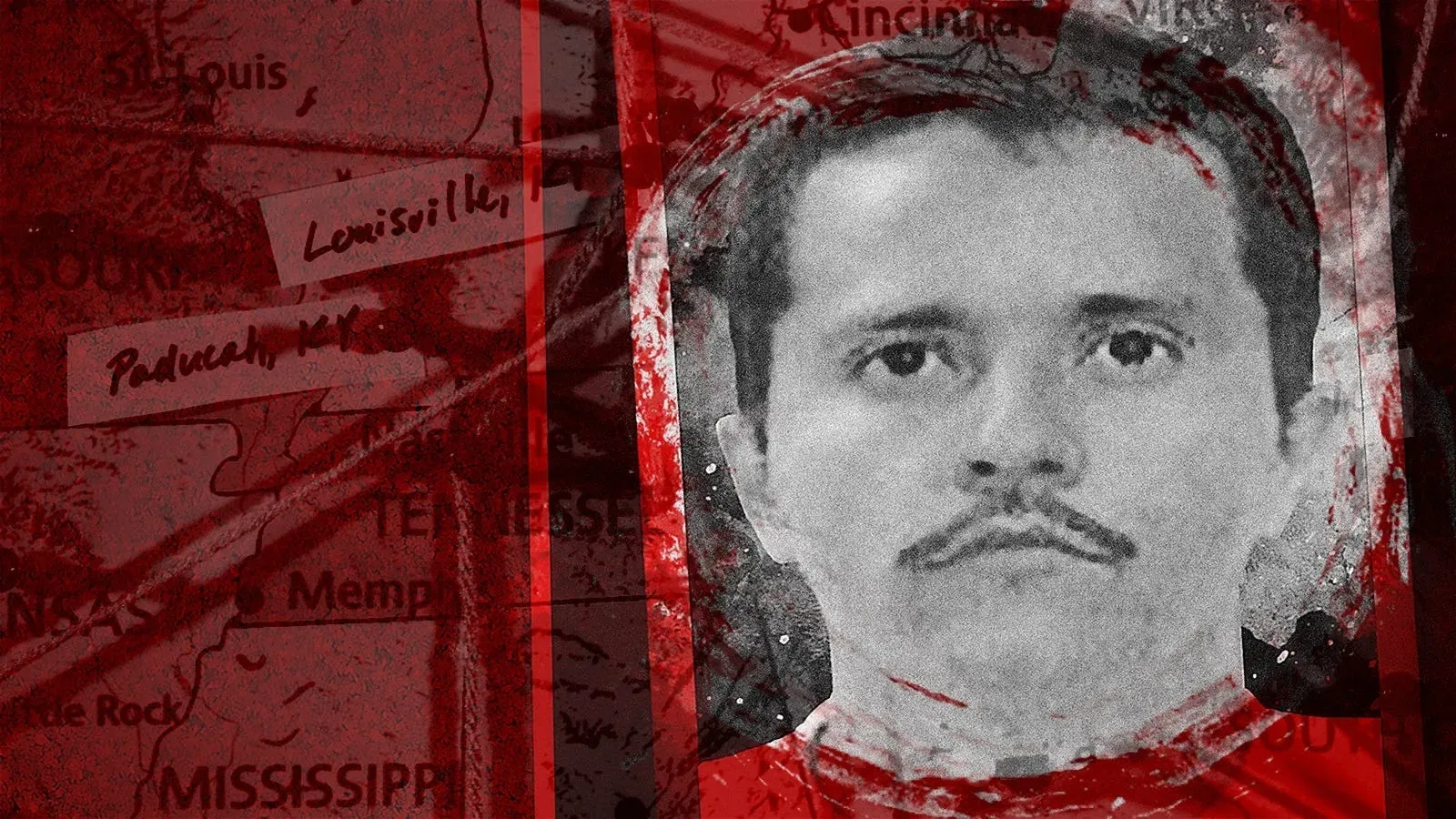
The U.S. Embassy in Mexico has issued an emergency security alert for its citizens residing in five states, following the unrest triggered by the death of Nemesio Oseguera Cervantes, known as “El Mencho,” the leader of the Jalisco Cartel — New Generation (CJNG). This development comes after the Mexican Army reportedly killed the drug lord. The diplomatic agency has advised Americans in Jalisco, Tamaulipas, Michoacán, Guerrero, and Nuevo León to take immediate shelter in their homes or lodgings.
This directive is a response to increased security operations, road blockades, and criminal activity in the region following the alleged killing of the notorious drug lord. The U.S. Embassy has outlined specific security protocols for its nationals:
- Avoid areas near police or military operations.
- Remain vigilant and aware of surroundings at all times.
- Seek shelter and minimize non-essential movement.
- Follow instructions from local authorities.
- Monitor media for updates.
- Notify family and friends of your location and status through calls or texts.
- In case of emergency, use the national 911 number.
For those needing consular assistance, the Embassy has activated the following numbers: from Mexico, 55 8526 2561, and from the United States, +1-844-528-6611. Additional contact numbers include +1-888-407-4747 and +1-202-501-4444, along with official WhatsApp and social media channels.
The Mexican Army confirmed the death of “El Mencho,” one of the most wanted drug lords in the country, which has led to a surge in violence across several regions. The states of Jalisco, Michoacán, Colima, Guerrero, Aguascalientes, Guanajuato, Nayarit, Zacatecas, and Tamaulipas have experienced heightened levels of violence following the reported killing. Before the official announcement, there were reports of buses and other public transport vehicles being set on fire, as well as cars blocking roads to disrupt traffic.
The violent reaction from the CJNG was swift, leading to widespread blockades and narco-blockades that paralyzed different parts of the state. The violence quickly spread to neighboring states, creating a chaotic situation across the region.
In Michoacán, Governor Alfredo Ramírez implemented measures similar to those in Jalisco, with at least 13 municipalities experiencing road blockages caused by burning vehicles. Ramirez urged the population to remain calm while security forces carried out their operations.
As the hours passed, violent events were replicated in Colima, Nayarit, Aguascalientes, and Guanajuato, where blockades and attacks on infrastructure multiplied. The chaos also reached the Guadalajara International Airport, which became a focal point of tension. Passengers and workers fled in panic, causing the airport to be paralyzed by fear.
Despite the chaos, the Federal Government stated that airports in Jalisco are operating normally, although the Manzanillo Airport in Colima had canceled several flights.
Governor Pablo Lemus Navarro of Jalisco activated Code Red following the criminal confrontations linked to the operation that resulted in “El Mencho’s” death. He also announced the cancellation of on-site classes and major events in the state. Videos circulating on social networks showed smoke columns, particularly in Puerto Vallarta, where a Costco store and gas station were set on fire.
In Nayarit, Governor Miguel Angel Navarro Quintero suspended classes at all educational levels and called on the population to stay indoors. Videos and photographs shared on social networks showed columns of smoke in Tepic due to the burning of vehicles, with citizen reports of cities being taken over by members of the CJNG. Economic activity in Nayarit was reportedly closed down.
Governor Alfredo Ramirez Bedolla of Michoacán reported continuous monitoring of the situation, working closely with various government agencies. The Civil Guard was on high alert, operating alongside the National Guard, Army, and Navy through strategic deployments and aerial monitoring. All actions were monitored in real-time through video surveillance systems.
In Guerrero, Governor Evelyn Salgado Pineda assured that incidents in Acapulco were under control and posed no risk to citizens. She emphasized continued collaboration with federal and municipal authorities to maintain tranquility.
Quintana Roo’s Governor Mara Lezama mentioned that they were working in permanent session, following up on actions and operations to guarantee peace and tranquility in the state after three vehicles were set on fire on the Cancun-Leona Vicario highway and attacks on convenience stores in Cozumel.
In Colima, Governor Indira Vizcaino Silva informed that a statewide deployment was ongoing to preserve order and safeguard families. A State Coordination Table for the Construction of Peace and Security was convened to a permanent session since Sunday morning.
Puebla’s State Government called on citizens to remain calm, rely on official sources, and avoid spreading rumors. They encouraged reporting any risky situations to 911 and anonymously to 089. A blockade was reported on the Mexico-Puebla and Orizaba-Puebla highways, with vehicles and convenience stores being set on fire.
Nuevo León’s civil police force activated “Operativo Muralla” to protect the state borders and prevent the incursion of armed groups from other states.
Guanajuato maintained surveillance operations with support from various security forces. Deployments throughout the state led to the arrest of several individuals who were handed over to the State Attorney General’s Office. Several vehicles were prevented from being burned in different parts of the state.
The Guanajuato Government assured transparency regarding the facts.
“El Mencho” was considered one of the most powerful drug traffickers in Mexico, with influence in several states, including Jalisco, Colima, Nayarit, Veracruz, Guanajuato, Michoacán, Guerrero, and Morelos. The U.S. Department of State had offered a reward of up to $15 million for information leading to his capture.
In Veracruz, although there is no official statement, reports on social networks with videos and testimonies suggest that highways in several municipalities have been blocked with burned vehicles in response to “El Mencho’s” death. So far, highways to the Port of Veracruz remain blocked.