
Starting next year, hotels and travel companies must begin automatically reporting visitor locations to a central government database
As tourist numbers climb back towards record highs, Nepal is rolling out a new digital registration system to track every foreign visitor, in a move officials say will boost safety and curb visa misuse.
Starting from January 1, all foreign visitors will be required to register detailed accommodation information through the government’s new digital platform, replacing the earlier system that allowed only partial disclosures.
Authorities say the measure will modernise an overstretched immigration network while giving authorities faster access to location data during emergencies.
Do you have questions about the biggest topics and trends from around the world? Get the answers with SCMP Knowledge, our new platform of curated content with explainers, FAQs, analyses and infographics brought to you by our award-winning team.
“This system enables us to have details of all visitors who have entered Nepal,” said Teekaram Dhakal, director of the Department of Immigration. “It will allow us to use that information during emergency rescue operations and keep track of their movements without compromising their privacy.”
The roll-out builds on the NepaliPort portal launched earlier this year, which integrates visa applications, trekking permits and other travel services into a single online system. Its companion mobile app uses a QR code to streamline airport clearance, hotel check-ins and visa extensions.
Home to eight of the world’s 10 highest mountains, Nepal attracts hundreds of thousands of trekkers to routes such as Everest and Annapurna, where rugged terrain, isolation and extreme weather have long posed safety challenges.
In the 12 months to July this year, 12 foreign trekkers died in the Annapurna region alone, while a German hiker was found dead earlier this month after going missing for several days in the same area.
Authorities say the new system, which plugs into Nepal’s Foreign Nationals Management Information System database, will make it easier to locate missing travellers.
“When a tourist goes missing, we will know their last location from their accommodation details,” Dhakal said, adding that this “can be crucial information” to help search and rescue operations.
Visitor surge
Tourism is a pillar of Nepal’s economy, contributing 6.6 per cent to gross domestic product and supporting more than 1 million jobs in 2023, according to the World Travel and Tourism Council.
The Himalayan nation welcomed 1.14 million visitors in 2024, up 13 per cent from the previous year and just shy of the record 1.19 million who visited in 2019.
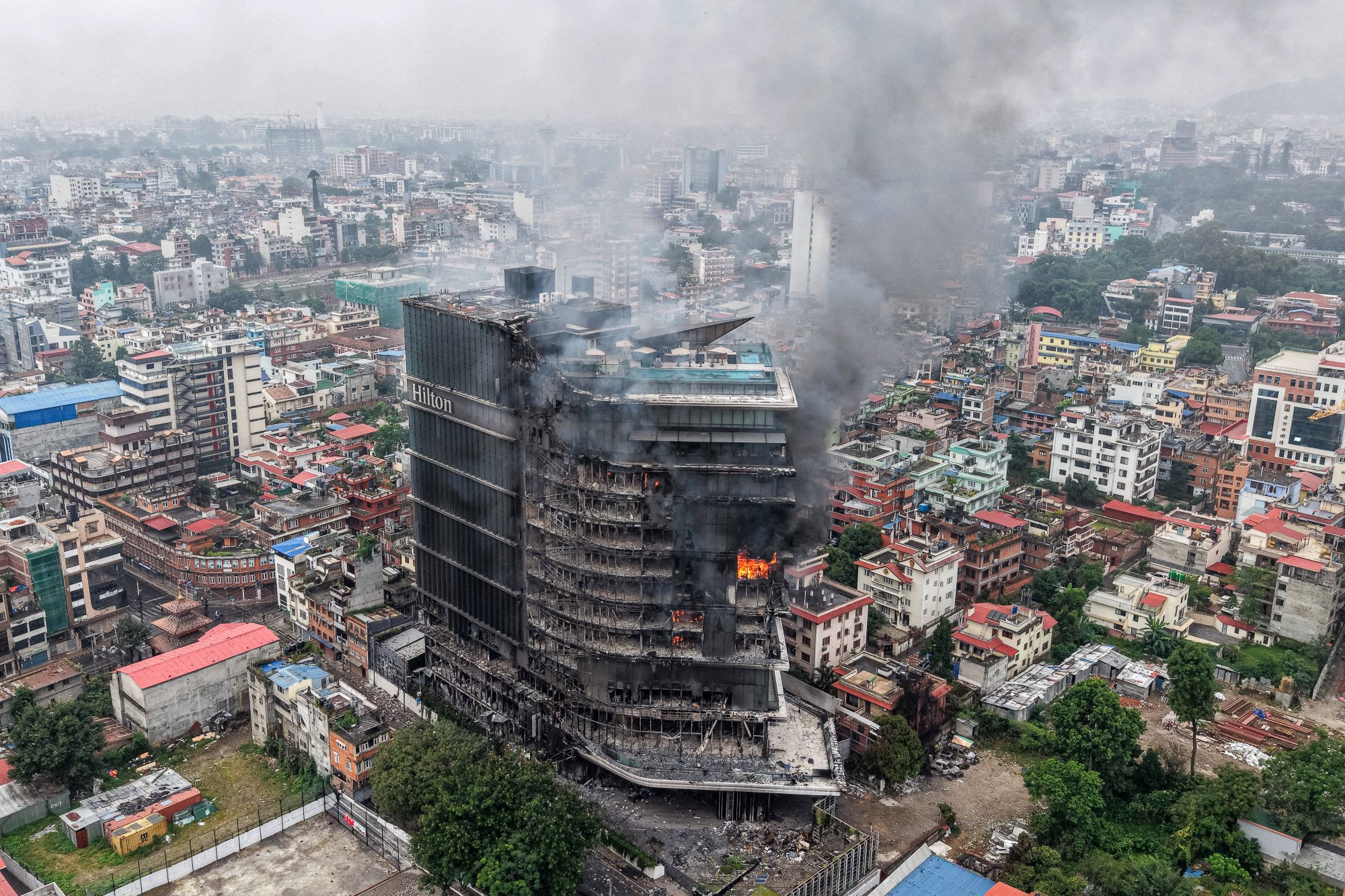
The registration system was initially scheduled for a September roll-out but was delayed amid nationwide anti-government protests that resulted in the ousting of former prime minister K.P. Sharma Oli and saw several hotels set ablaze.
Although travel advisories from Australia, Canada and the United States and other countries remain in place due to the political unrest, visitor arrivals have largely rebounded.
Under the new rule, all hotels and travel-related businesses will automatically send visitor details to the government’s central immigration database. The system’s first phase will cover Kathmandu’s star-rated hotels in January, extending nationwide by March to include trekking teahouses, travel agencies, currency exchanges and other tourist facilities.
Officials say the database will also help curb crimes involving foreigners – from ATM hacking and online fraud to gold and drug smuggling – and deter visa overstays. Last year, Nepal expelled 497 foreigners for criminal offences or violating visa conditions.
Mani Raj Lamichhane of the Nepal Tourism Board said the registration system would “put mechanisms in place to better track and monitor” people who arrived in the country as tourists but ended up involved in criminal activity.
“This is a positive step towards ensuring the safety and security of our guests and also national security,” he said.

Immigration authorities are also tightening oversight of foreign students after discovering forged academic certificates and repeated visa reclassifications.
“A foreign national was found changing their visa status 41 times during the past four years,” said Dhakal, the immigration director. “We need to end such practices.”
Recent cases have highlighted such concerns. Last month, four Chinese nationals were deported for using business visas to help single men from China find Nepali brides while reportedly running unlicensed hospitality businesses in the country.
Despite fears of added bureaucracy, tourism entrepreneurs say the new rule reflects a positive push towards accountability and professionalism across the sector.
Dhakal said the system would help counter negative perceptions of the country that arose from “tourists going missing or dying during treks”.
“This will ultimately improve Nepal’s international image,” he said.
More Articles from SCMP
Operation Santa Claus helps Hong Kong’s Shaw Foundation uplift smaller charities
SCMP Best Bets: Sky Song can be the perfect tune at Happy Valley
3 injured, over 100 evacuated after fire breaks out in Hong Kong flat
Avatar: Fire and Ash movie review – stunning visuals carry breathless third instalment
This article originally appeared on the South China Morning Post (www.scmp.com), the leading news media reporting on China and Asia.
Copyright (c) 2025. South China Morning Post Publishers Ltd. All rights reserved.