Understanding the Dynamics of the Gen Z Movement in Nepal
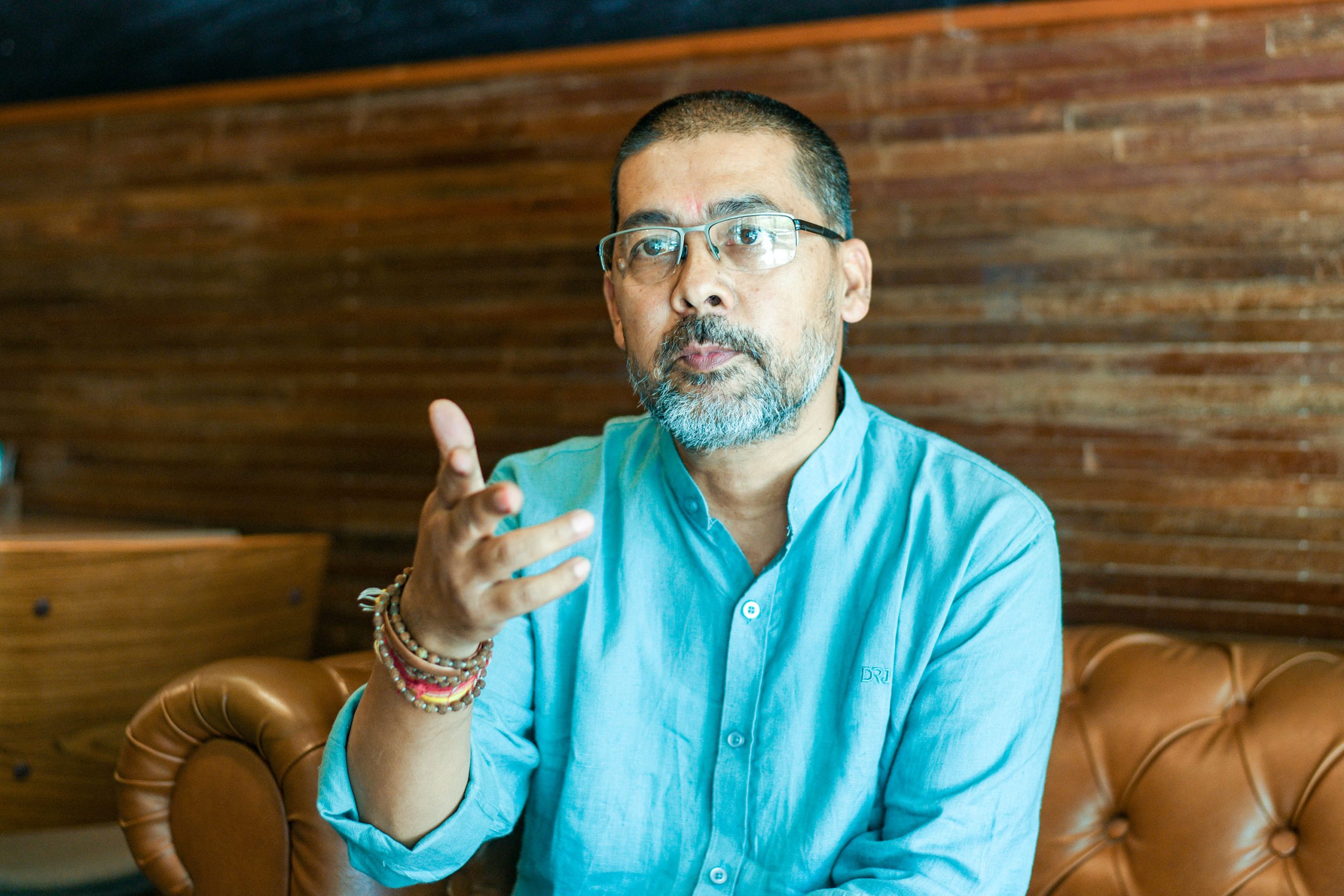
The Gen Z movement that erupted in early September significantly transformed Nepal’s political landscape. The country remains in a state of uncertainty, with international observers closely monitoring the developments. Political scientist and geo-political analyst Chandra Dev Bhatta discussed the dynamics of the protests, their international implications, and the future of Nepal’s politics.
Patterns of Violence During the Protests
During the protests, there was a noticeable pattern of violence. Protesters engaged in indiscriminate vandalism of public and private properties as a way to express their frustration. They targeted specific offices they believed were part of the problem. For example, the parliament building was set on fire, seen as a symbol of power abuse. Similarly, the executive offices were attacked, viewed as symbols of corruption. The Supreme Court was also torched, considered the center of injustice.
Businesses were targeted as symbols of crony capitalism, which has contributed to inequality. Political parties and their leaders were attacked because they have been a source of political instability and the root of many problems.
Weakening State-Society Relations
The social contract between the state and society in Nepal is weakening. The adoption of neoliberal policies contradicts the constitution’s promise of a socially oriented state. As a result, the state has become administrative rather than functional. State machinery has been used for extraction, leading to a weakened state that lacks the capacity to implement policies effectively.
The capacities of individual political leaders have been strengthened at the expense of state institutions, leading to the erosion of what scholars refer to as ‘Weberian legitimacy.’
Role of International Actors
International actors’ roles during and after the Gen Z uprising are complex. While some may suggest that external factors influenced the protests, the internal conditions were sufficient to cause the uprisings. Political parties and leaders were warned about the situation but did not take it seriously.
Despite the potential for hyper geopolitics, the public’s frustration had reached a breaking point. The reasons for this frustration are multifaceted, with the political class often prioritizing their own interests over the general population’s well-being.
Future of Nepali Politics
If timely reforms are not implemented, the existing poly-crisis could turn into a perma-crisis. The politics of revenge and self-aggrandisement must be stopped. The interim government should consider the concerns of all stakeholders, including political forces. If major parties are excluded, it could lead to another legitimacy crisis.
Gen Z’s demands must be addressed to prevent them from hijacking the political system as past parties have done. The growth of a parasite class, known as ‘jhole,’ must be curbed.
Shaping the Future Trajectory
The interim government, though lacking legal standing, enjoys political legitimacy. The previous government, while having legal-rational legitimacy, lost its political legitimacy. Countries can fall into geopolitical traps when they rely too much on others. Self-reliance in politics, law-making, and the economy is crucial.
The way the regime change occurred through street protests raises concerns about the potential for repetition. The fragility of future politics is evident, with external actors only able to influence the situation if internal conditions allow.
International Perspectives
Over the past 20 years, global protests have created instability. The world is in transition, with rapid economic and technological development, but political systems are not delivering. Societies are changing rapidly, and the culture of protests is not limited to Nepal or Asia. Similar discontent is seen in the US and Europe.
The Gen Z protest in Nepal stands out due to its swift regime change, achieving results in under 30 hours, unlike other movements that took weeks or months.
Neighboring Interests: China and India
China and India have significant interests in Nepal. A global geopolitical shift is underway, with old powers facing challenges from new ones. China seeks a share of the power traditionally held by the West. Both countries aim to become superpowers and need a stable region to focus on expanding their influence.
Both nations want a stable government in Nepal aligned with their interests. India observed the Gen Z movement with concern, as the rapid regime change sets a precedent for regional states. China, with a different political system, focuses on stability to pursue its global aspirations.
Views of India and China on the Interim Government
India’s reaction to the interim government was positive, with Prime Minister Modi congratulating PM Sushila Karki. In contrast, China has not officially recognized the new government, with limited communication between leaders. The future of the interim government will determine how neighbors view it.
The ongoing developments in Nepal highlight the complex interplay of internal and external factors shaping the nation’s political future.


