The Rise of Ponzi Schemes in Nigeria
In the heart of Lagos Island, where the market buzzes with activity, a simple shout of “double your money in 10 days” could draw a crowd. This phenomenon is not just a reflection of economic hardship or desperation but also of an enduring fascination with quick wealth. In Nigeria, the Ponzi scheme industry continues to flourish, often operating with the same efficiency as any legitimate business.
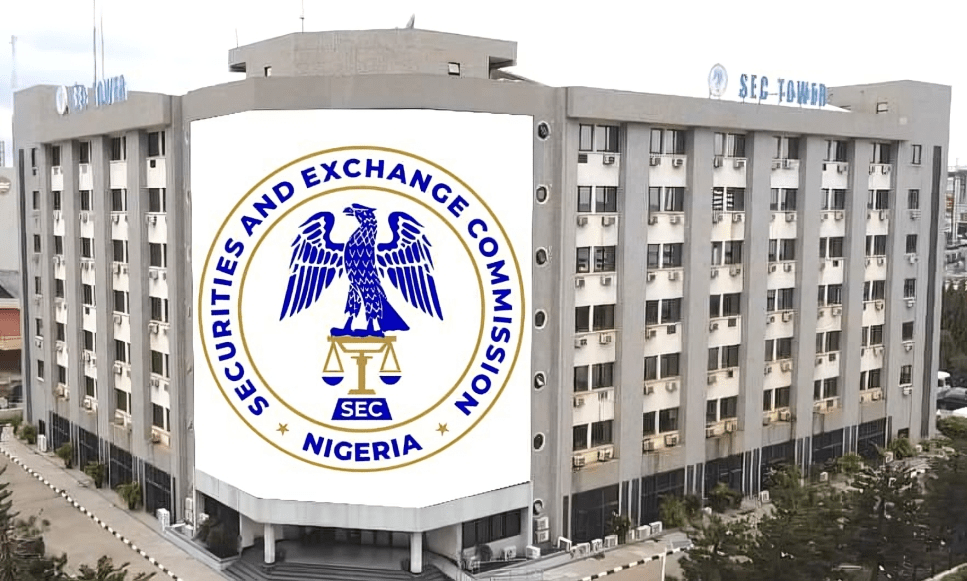
According to the Securities and Exchange Commission (SEC), Nigerians have lost over ₦316 billion to Ponzi schemes and illegal investment outfits over the years. These losses are more than just numbers—they represent shattered dreams, lost savings, and broken families. From school fees to retirement funds, these schemes have left a trail of devastation across the country.
Ponzi schemes have evolved over time, from traditional contribution circles to high-tech crypto platforms. Yet, their core mechanism remains unchanged: early investors are paid using money from new participants until the system collapses, which it inevitably does.
Notable Ponzi Schemes in Nigeria
Here are some of the most infamous Ponzi schemes that have left Nigerian pockets empty and lessons learned too late:
-
MMM Nigeria — ₦18bn
In 2016, MMM was a household name in Nigeria. It promised a 30% monthly return and recruited members by encouraging them to bring two others. The scheme spread rapidly through universities, markets, and religious gatherings. Even after its collapse, many victims returned, hoping to recover their lost money. -
Nospecto Oil & “Wonder Banks” — ₦106.9bn
These schemes used the allure of oil and gas investments to attract retirees and civil servants seeking steady income. They built a facade of legitimacy with corporate suits, church testimonials, and branded materials. Over ₦106.9 billion was lost in this scam. -
Unnamed Ongoing Case — ₦174bn+
An ongoing investigation suggests this is the largest single Ponzi scheme in Nigeria’s history. Although the name has not been revealed, it is believed to be larger than some bank collapses. -
Galaxy Transportation & Construction — ₦7bn+
This scheme defrauded over 27,000 Nigerians of approximately ₦7 billion. Its CEO, Babagana Dalori, was arrested for promising unsustainable returns, such as 200% interest on deposits. -
Bara Finance — ₦3.5bn
Bara Finance operated as an unlicensed platform, offering high returns without any legitimate business activities. It used new investors’ money to pay earlier ones, leading to significant financial losses. -
Famzi IntBiz — ₦2.5bn
This fraud promised guaranteed returns on investments, with no real business operations behind it. The scheme collapsed, leaving investors with massive losses. -
Dantata Success & Prof. Coy — ₦1.2bn – ₦2bn
This scheme targeted 7,250 investors, promising returns of 25% to 50% per month. Like other Ponzi schemes, it relied on new investors to pay previous ones. -
Yuan Dong — ₦900m
The Yuan Dong scheme promised high short-term returns on a “Resources Investment Account.” It eventually collapsed when new investors stopped coming in, leading to arrests by the Nigeria Police Force. -
G-Circle Investment — ₦400m
G-Circle lured investors with promises of high returns and low risk. The scheme collapsed, resulting in individual losses of around ₦400 million each. -
Box Value Trading — ₦400m
This online scheme used social media platforms like Telegram to attract investors. It promised forex trading returns but ultimately collapsed, leaving many with significant losses. -
Now-Now Alert — ₦235m
This illegal scheme promised fast returns with little risk. It operated by using new investors’ money to pay earlier ones, leading to substantial losses. -
Cow Lane & Durrell Nigeria — ₦100m each
These schemes defrauded investors of around ₦100 million each. Cow Lane, in particular, was associated with a physical location in Lagos where a fraudulent bank operated.
Conclusion
The prevalence of Ponzi schemes in Nigeria highlights a deep-rooted vulnerability among the population. Despite repeated warnings and regulatory efforts, these scams continue to thrive, preying on people’s hopes for quick wealth. As the SEC and other authorities work to combat these schemes, it is crucial for individuals to remain vigilant and informed. Education and awareness are key to preventing future losses and protecting the financial well-being of Nigerians.


