
Purchasing a family vehicle is a significant choice.
It should be spacious enough to accommodate the number of children you’re transporting, have a large boot for loading pushchairs, a fortnight’s worth of food and other essentials of daily family life, and plenty of equipment to keep everyone entertained.
However, reliability is arguably as crucial – if not more so – as all of the other requirements mentioned above.
The last thing any parent requires is to be stuck on the roadside with a carload of children on board or to have to pay for costly vehicle repairs they hadn’t anticipated.
Conducts an annual reliability survey involving nearly 30,000 drivers, ranking the most and least dependable motors across various categories – including family vehicles.
This information has been shared with This is Money so we can let you know which models no more than five years old – whether currently in showrooms or as nearly-new used cars – can be relied upon most.
Additionally, we’ve also listed the three family cars with the poorest reliability records.
10. Ford Focus Petrol (2018-2024)
94.9%
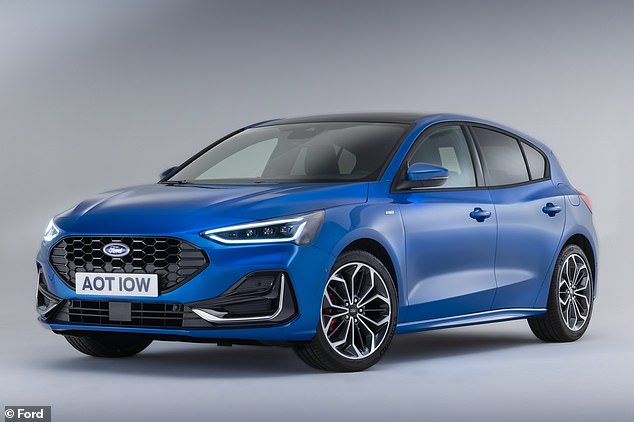
As the focus shifts to a new series of electric vehicles.
The most recent Focus model fulfils expectations when it comes to dependability – provided you opt for one with a petrol engine. In reality, just 9 per cent of car owners who possess this vehicle have reported developing a fault over the past two years. What’s worth noting is that nearly a third of diesel-engine vehicles encountered at least one problem during the same period.
The most frequent faults were related to the 12-volt battery, the body of the car and other non-engine electrical systems, including the sat-nav and infotainment system. Although none of these faults made the vehicles unusable, more than half of the petrol Focus models were taken off the road for over a week to be repaired. All fixings were free of charge for the owners under the warranty.
9. Mini Clubman (2015-2024)
95.5%
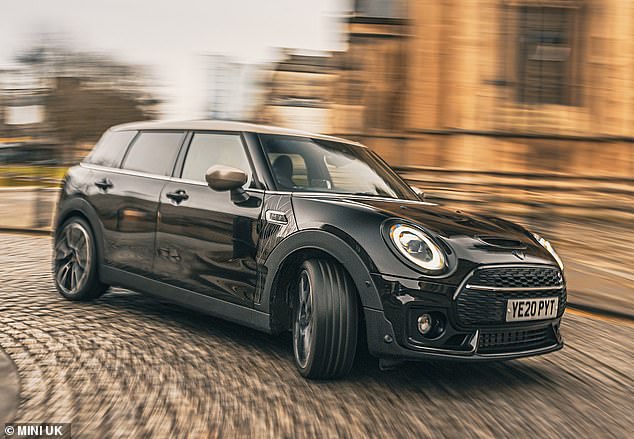
Around 15 per cent of Mini Clubman owners reported issues with their vehicles over the past couple of years, but all of these problems related to the car’s bodywork.
All Clubman vehicles with bodywork problems had been repaired within less than a week – approximately two thirds of them returned to their owners less than a day later.
Service cover for defects repaired a third of the vehicles. Cars out of the three-year, unlimited mileage guarantee were repaired at the owner’s expense, at a cost of between £50 and £500 for garage receipts.
8. Kia XCeed (2019-present)
95.6%
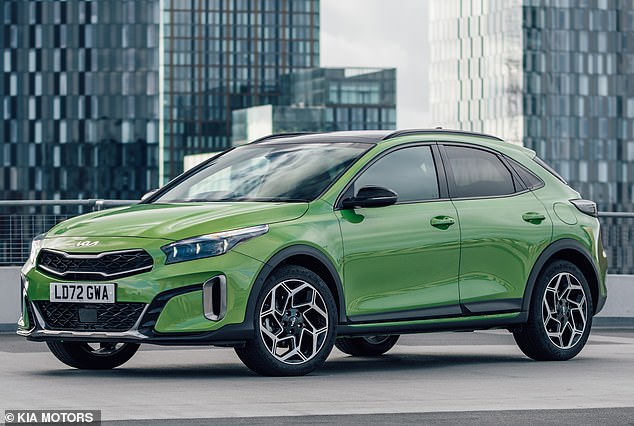
Similar to the Mini Clubman, the most frequent problems with Kia XCeeds were related to its bodywork or exterior. This was a concern for 21 per cent of motorists who reported a fault with their car. Other issues also arose, albeit to a lesser extent, with the 12-volt battery and sat-nav/infotainment system.
All vehicles had been repaired within a week, with nearly a third of them being done in and out of the repair garage in less than 24 hours.
Not all cars within Kia’s seven-year warranty period were covered for the repairs. Only about two-thirds of these models were eligible for maintenance under the terms of the warranty, leaving the remaining one-third of owners to bear the full cost, which in some cases was as much as £200.
7. Citroen C4 (2020-present)
96.2%
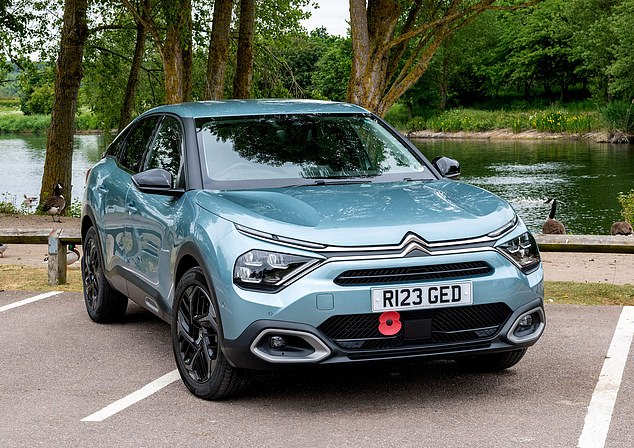
Citroen is not traditionally known for producing fault-free vehicles, however, their current C4 model has proven to be a reliable family car.
Around 17% of owners of French hatchbacks reported issues with their vehicles over the past 24 months, with electrical problems – such as air conditioning and sat-nav/infotainment system errors – being the most common problems.
Half of C4s needing to go into a garage to be mended were in workshops for more than a week, which had a slight effect on the model’s score. Incidentally, no owners had to fork out any extra money with all instances of repair work carried out under the warranty.
6. Toyota Corolla (2018-present)
96.4%
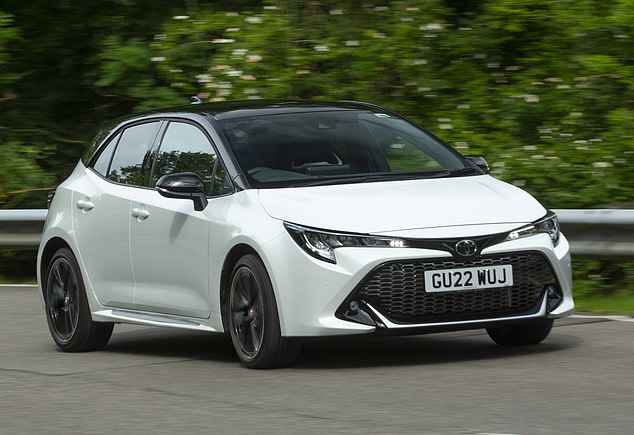
While Citroen’s reliability has had some spotty years, Toyota’s hasn’t. It has consistently come out on top in reliability tests, and the Corolla family hatch built at Burnaston is no exception.
Just 15 per cent of Corolla owners reported that their cars had developed a fault in the previous two years. These were mainly electrical or bodywork issues, plus the occasional 12-volt battery problem.
With Toyota’s warranty protection expiring after just three years, some owners of older models have been left out of pocket. Although 84% of issues were resolved for free under warranty, the remaining 16% incurred repair bills – none of which exceeded £200. What contributed to the Corolla’s reduced reliability score was that nearly a third of cars with problems were unable to be driven, while 28% took over a week to repair, rendering them unusable for that time.
5. Hyundai Ioniq Hybrid (2016-2022)
96.5%
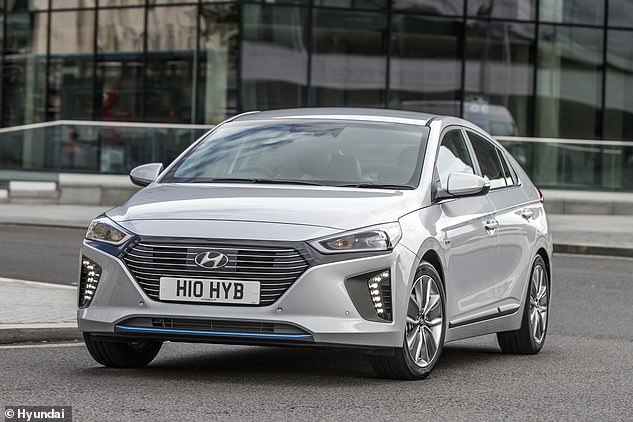
The Ioniq was Hyundai’s ‘cover all bases’ car when it launched almost a decade ago; it was sold as a self-charging hybrid, plug-in hybrid or full electric vehicle. The models covered here are the hybrid version.
The versions that incorporate a petrol engine, battery, and e-motors seem to be more robust than the Ioniq Electric. One in five Ioniq hybrids reportedly broke down over a 24-month period, whereas 47 per cent of the EVs suffered issues in the same timeframe.
For the 96.5 per cent reliability-rated Ioniq hybrids, the main issues were with bodywork, braking systems and sat-nav/infotainment systems. Happily, three-quarters of Ioniqs with problems were sorted out in a day or less, and most (88 per cent) were covered under warranty. Cases that weren’t dealt with that way cost owners less than £200.
4. Honda Civic (2022-present)
97.6%
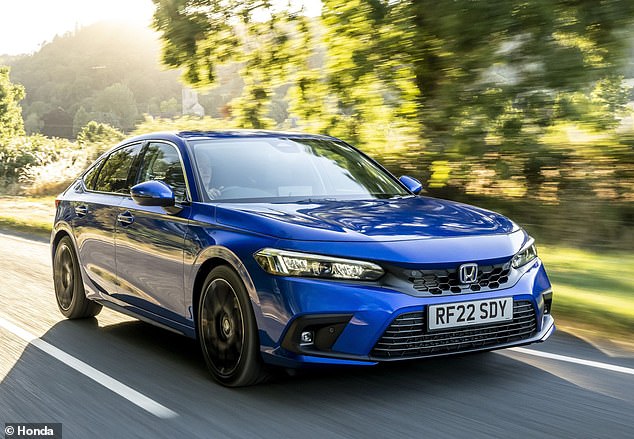
What Car? Research has shown that Honda’s reliability has improved significantly in its family car, the Civic. Just 8 per cent of owners reported any faults in their vehicle over the past couple of years, in contrast to nearly a quarter of the previous model that had encountered problems.
The latest Civics only issue is related to the steering system, which was highlighted by eight per cent of drivers who said their car had developed a fault.
Given the Civic has only been on the market since 2022, it’s little wonder all repairs were carried out with the manufacturer’s warranty still in place. Nevertheless, each faulty vehicle was off the road for more than a week, incurring penalty points.
3. BMW 1 Series (2019-2024)
98.6%
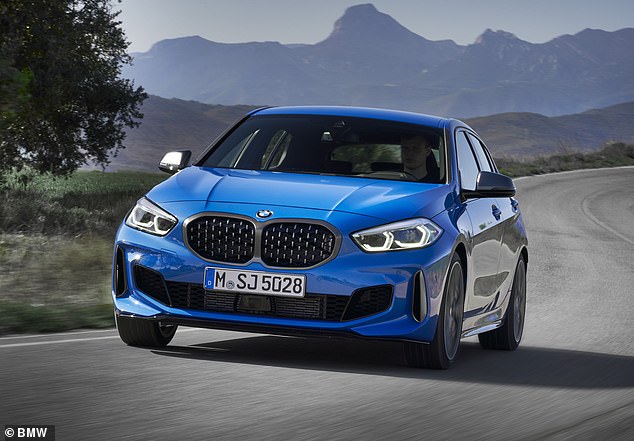
The fourth edition of the BMW 1 Series was introduced this year, marking the end of the three-generation run of their five-door hatchbacks. However, it’s a model you may wish to take into account when looking for a second-hand family car, given the positive feedback from its previous owners.
What Car? claims it is the German brand’s most dependable model, scoring the highest reliability rating for the manufacturer with 98.6 percent.
Only 8 per cent of owners have experienced reliability problems over the past 24 months, mainly due to issues with non-engine electrical components. All the cars remained in a state to be driven, and two-thirds of these problems were sorted out within a week. The majority (83 per cent) were fixed under warranty, while those that weren’t caused no financial burden of more than £100.
2. Mercedes A-Class Hybrid (2018-present)
98.7%
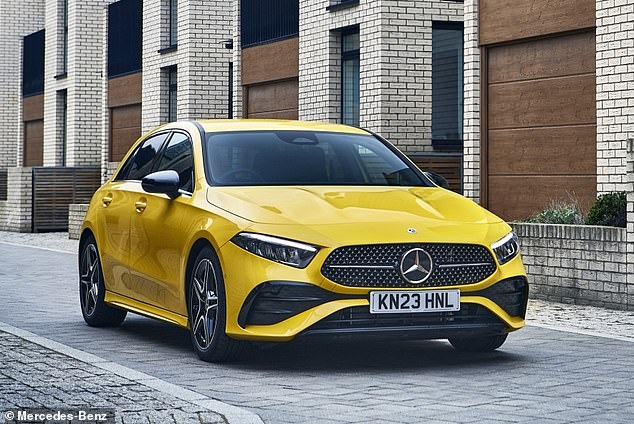
What Car? has collected enough feedback from A-Class owners to separate the vehicles into hybrid and petrol models, with the hybrid models performing better. Only 11% of drivers of hybrid cars reported problems within 24 months, contrary to one in five owners of petrol models experiencing issues.
Hybrids didn’t go wrong quite as often, and when they did, they were also quicker to repair at a lower cost.
All cars with hybrid faults were fixed for nothing, in a matter of 24 hours, whereas some petrol cars were charged up to £300 and took more than a week to sort out.
1. Skoda Octavia petrol (2013 – 2020)
99.3%
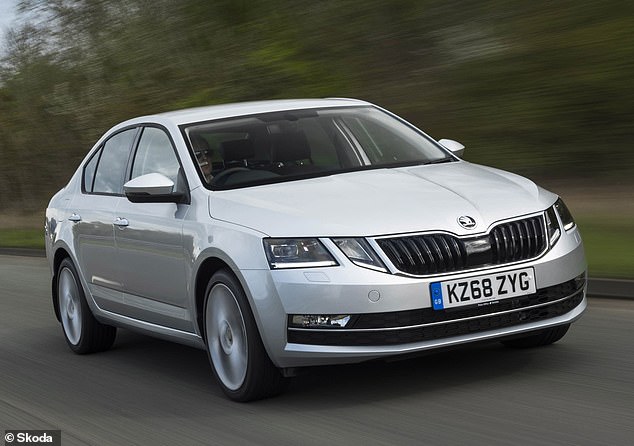
The latest Octavia has been available on sale for the past four years, but, according to What Car?’s reliability report, it may not necessarily be the model you should be considering.
That’s because petrol versions of the previous-generation Skoda family model have a pretty spotless record, and leave the model that replaced it in the shade, so to speak.
Only 6 percent of owners of the older Octavia stated that their vehicle had a problem in the last two years – and all were
LEAST
RELIABLE FAMILY CARS
3. Skoda Octavia (2020-present)
80.3%
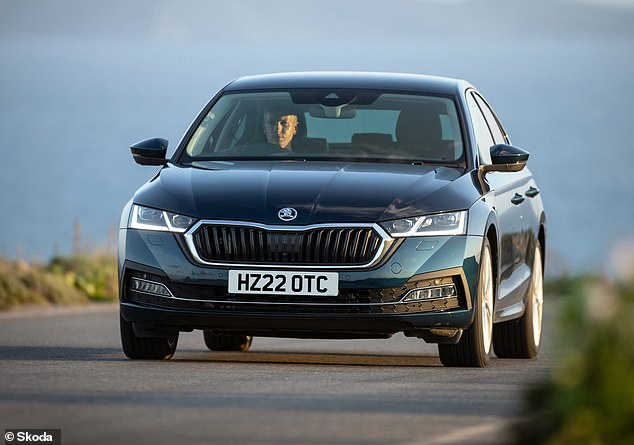
While the previous generation Octavia is, based on this data alone, the most dependable of all family cars, the same can’t be said about the current version.
More than one-third of current Octavia drivers encountered difficulties over a two-year period. Although many faulty cars were still drivable, approximately 52% were unavailable for a week or longer while undergoing repair work. Skoda’s warranty covered 97% of the repair costs, incidentally.
The majority of owners were troubled by electrical issues of a non-engine kind – predominantly with the satellite navigation and entertainment systems – which accounted for 52 per cent of all reported breakdowns.
2. Seat Leon (2020-present)
74.2%
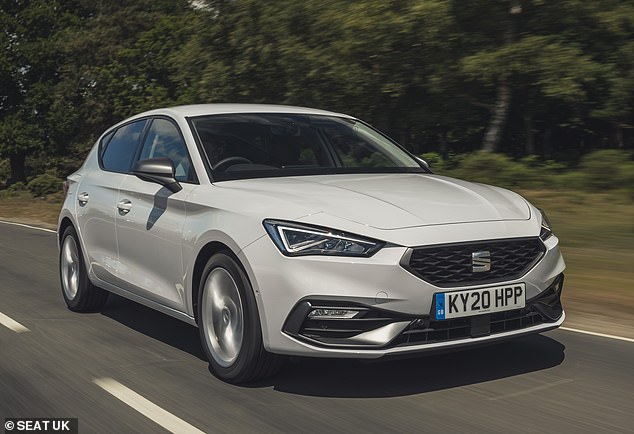
The Leon is one of Seat’s most popular models in the UK, but the latest release has an unexpectedly high failure rate, which is unusual, considering it only arrived on the market in 2020.
Almost two-thirds of owners said something had gone wrong with their Leon over the past 24 months, primarily due to issues with the satellite navigation and entertainment system.
These took a considerable amount of time to fix, too, with 62 per cent of the vehicles off the road, requiring repair for over a week. Seat’s three-year warranty covered the cost of repairs for the majority (97 per cent) of cars with faults.
1. Volkswagen Golf diesel (2020 to present)
70.4%
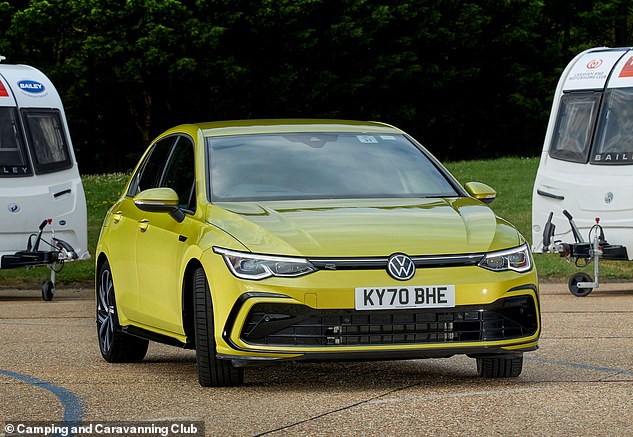
The Volkswagen Golf may be an iconic model, but its current version is not without its problems.
Examples across all types of fuel have been plagued with issues related to infotainment and other electrical systems. Nevertheless, diesel-powered vehicles have also been encountering difficulties with their gearboxes, as car owners have reported.
Out of every ten diesel Golfs, three experienced problems that lasted two years, and one of these cars took over a week to repair. Unfortunately, only 41% of the faulty cars were fixed free of charge under warranty, while one in ten owners who reported issues were landed with repair bills of £1,000 or more.


