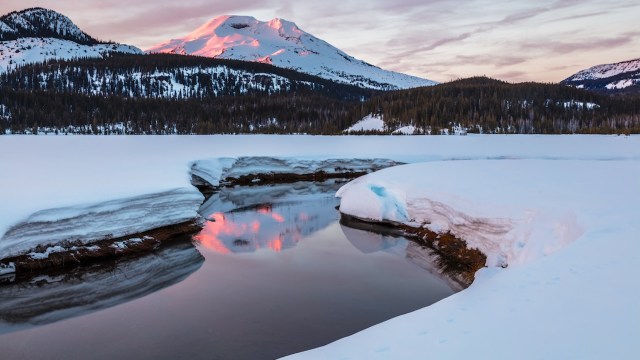
Scientists from the University of Oregon and other research teams have found a massive underground aquifer hidden beneath the central Oregon Cascades — way bigger than anyone expected.
.
Described as “a continental-size lake stored in the rocks at the top of the mountains, like a big water tower,” by Leif Karlstrom, the earth scientist who led the study, this finding reshapes how we understand water resources in the western United States.
The research, published in the Proceedings of the National Academy of Sciences, points to the Cascade Range possibly holding the biggest volcanic aquifer system on the planet.
, which provides drinking water to Eugene, Oregon, starts from mountain springs in the Cascade Range.
Scientists found an underground aquifer beneath the central Oregon Cascades, holding at least 81 cubic kilometers of water. It’s a big discovery, but researchers still need to figure out how exactly this aquifer connects to the springs that feed the McKenzie River, which plays a key role in supporting both local communities and agriculture in the region.
Watch now: How bad is a gas stove for your home’s indoor air quality?
Even though the aquifer’s size seems promising, scientists aren’t ready to celebrate just yet.
has shown just how critical it is to have sustainable water systems in place.
. When water mixes with magma it can trigger stronger eruptions, so scientists are keeping a close watch on the area.
we depend on, especially with the climate changing. This could make a real difference for people living in places like Eugene that rely on water from the Cascades. Figuring out how this underground water connects to rivers and springs might help with future water planning, especially as the climate keeps changing.
“This region has been handed a geological gift, but we really are only beginning to understand it,” said Gordon Grant, who is a geologist with the U.S. Forest Service and co-author of the study.

of easy ways to help yourself while helping the planet.
.


