Solar Power Revolution in Niger State
Niger State has taken a significant step forward in addressing long-standing energy challenges by providing 24-hour solar power to over 180 communities that had endured more than a decade without reliable electricity. This initiative marks a major breakthrough, showcasing the state’s commitment to renewable energy solutions and improving the quality of life for its residents.
The deployment of solar mini-grids and other renewable energy systems was spearheaded by the Niger State Government under the leadership of Governor Mohammed Umaru Bago. This effort has been widely recognized as a transformative approach to electrification, particularly in areas where traditional grid infrastructure has been insufficient or absent.
Recognition from Key Stakeholders
The Niger Electricity Distribution Company (NEDC), a subsidiary of Abuja Electricity Distribution Plc, has commended the state government’s efforts. In a statement issued by the company’s Head of Brand Marketing and Corporate Communications, Omede Odekina, the initiative was described as a significant intervention for communities that had long lacked stable electricity supply.
Beyond rural areas, the state government has also transitioned several critical public institutions to independent solar systems. These include Government House, the General Hospital, the IBB Specialist Hospital, the Niger State Water Board, and various ministries, departments, and agencies. This move not only ensures uninterrupted services but also reduces reliance on the national grid.
Alignment with National Energy Policies
The Managing Director of Abuja Electricity Distribution Plc, Chijioke Okwuokenye, highlighted that the state’s renewable energy push aligns with the decentralized electricity framework introduced under the Electricity Act 2023. He emphasized the importance of collaboration between government, regulators, and licensed operators in accelerating progress toward reliable electricity access.
Okwuokenye noted that the shift towards distributed generation helps reduce pressure on conventional grid infrastructure while delivering immediate social and economic benefits. This approach is particularly beneficial for previously unserved communities, offering them a sustainable alternative to costly diesel generators.
Strategic Partnerships and Future Goals
The Chief Business Officer and Acting Managing Director of NEDC, Sam Odekina, expressed the company’s eagerness to work closely with the state government and the newly established Niger State Electricity Regulatory Commission. The focus is on integrating mini-grids into the evolving state electricity market, ensuring that renewable energy solutions complement existing grid systems.
Odekina explained that hybrid solutions, combining solar, battery storage, and grid supply, could offer resilience and scalability as demand grows. This model supports the goal of inclusive electrification, ensuring that both residents and businesses benefit from reliable power.
Expanding Access Through Collaboration
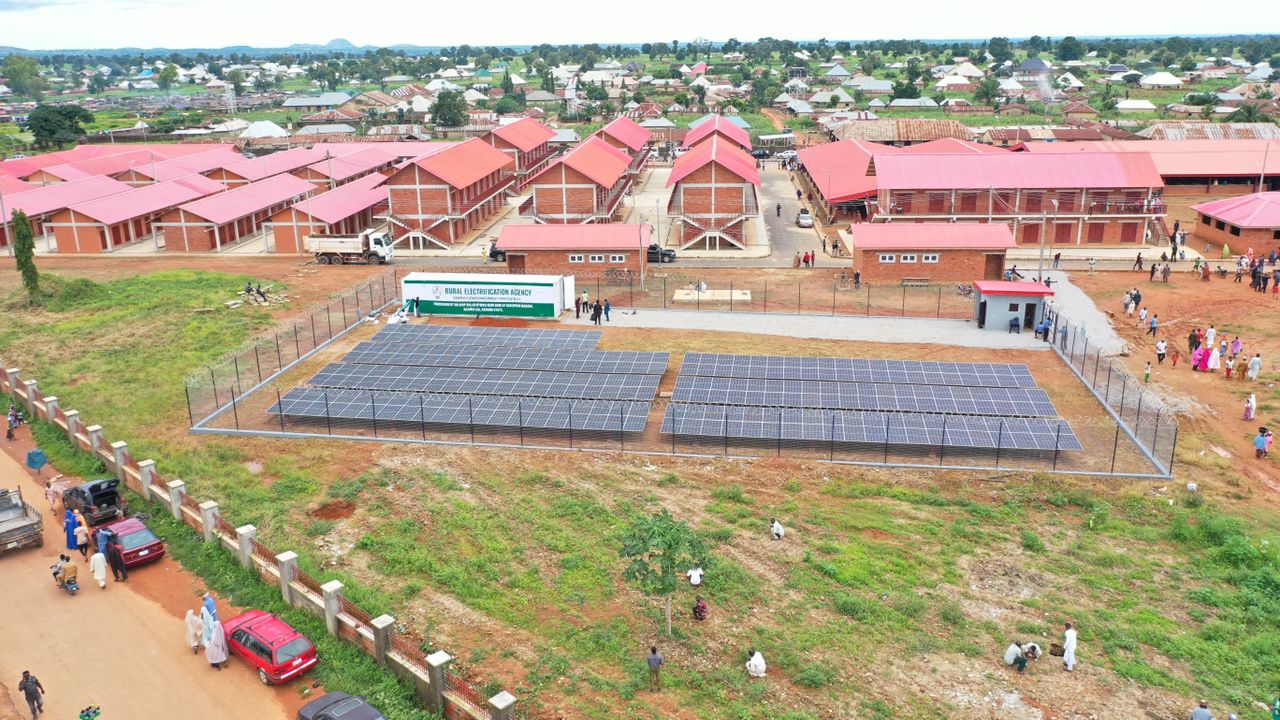
Many of the benefiting communities had relied on diesel generators and other costly alternatives for over a decade. The state government’s intervention includes mini-grid projects in areas such as Lambata in Gurara Local Government Area, implemented in partnership with the Rural Electrification Agency and supported by international development partners.
This approach reflects a broader shift in Nigeria’s electricity landscape, where states are increasingly taking charge of power planning following constitutional and regulatory reforms. The Electricity Act 2023 has allowed states to establish their own electricity markets and regulators, enabling more localized control over energy distribution.
A New Era of Energy Planning
Under the new framework, distribution companies like NEDC operate within state-licensed regimes while aligning with national market standards. Mini-grids and renewable systems are particularly suited to rural and semi-urban communities where extending the national grid may be economically unviable in the short term.
NEDC reiterated its commitment to exploring public-private partnerships, commercially viable grid extensions, and seamless integration of mini-grid projects under the state licensing regime. For Niger State, the solar rollout signals a transition toward a diversified, multi-source electricity model designed to reduce dependence on fragile grid extensions.
The Path Forward
As decentralization deepens, the success of collaborations between state governments, regulators, and licensed distribution companies may ultimately determine whether millions of Nigerians still in energy poverty can finally access reliable and sustainable power. This initiative sets a precedent for other regions to follow, demonstrating the potential of renewable energy in transforming lives and driving economic growth.