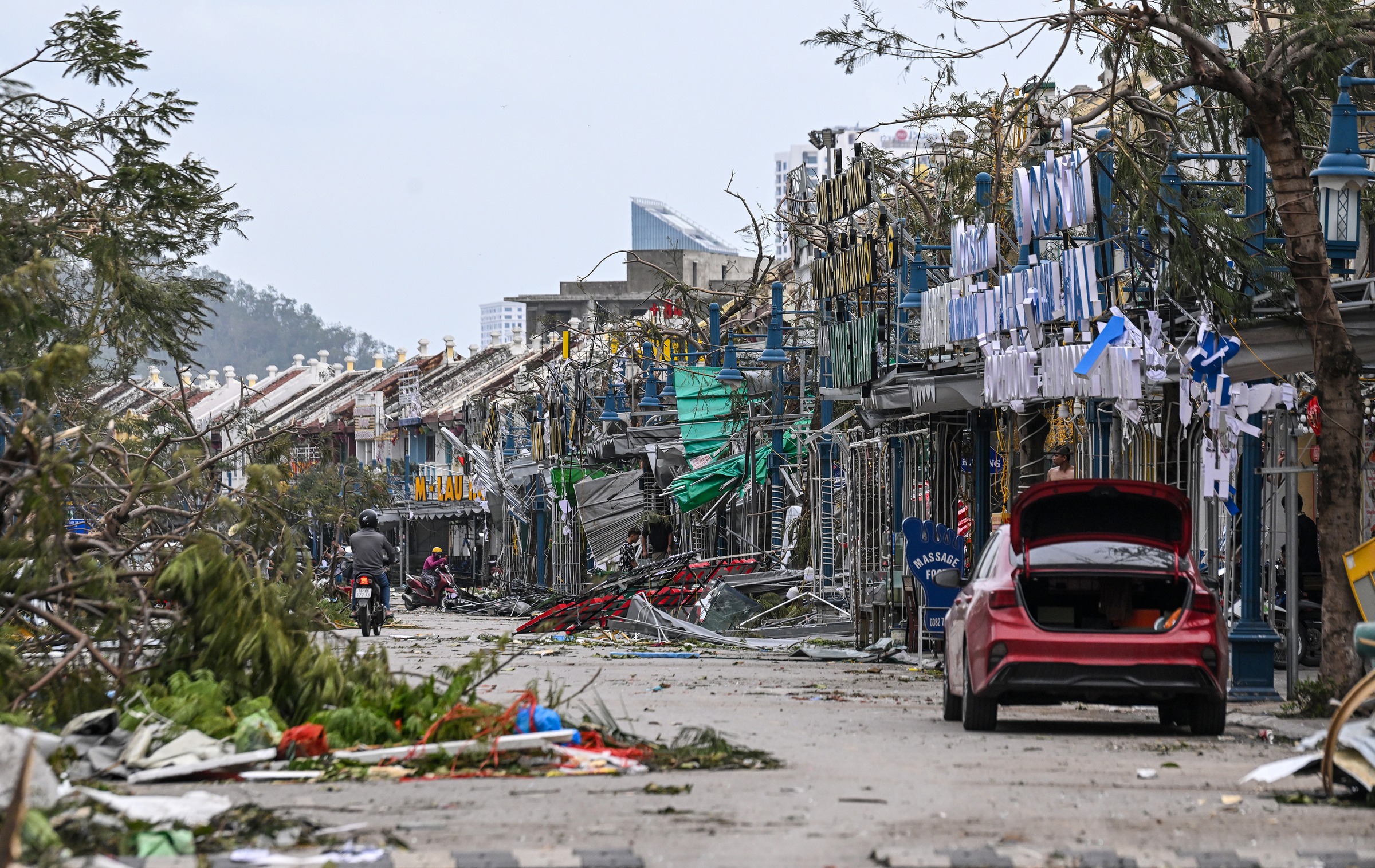
Vietnam has been identified as one of the 11 countries most vulnerable to climate change from a macroeconomic perspective, according to a United Nations report.
The United Nations Economic and Social Commission for Asia and the Pacific (ESCAP) released its latest report assessing the readiness of Asia-Pacific economies to tackle climate-related challenges on Tuesday, which showed that despite driving 60% of the world’s economic expansion in 2024, several countries in the Asia-Pacific region are still not ready to cope with climate shocks and the implications of transitioning to a greener system, according to the 2025 edition of the Economic and Social Survey of Asia and the Pacific.
The report delves into the intricate relationship between macroeconomics and climate factors. It details the difficulties confronting the area’s economic stability—such as diminished productivity gains, increased vulnerability to public debt, and escalating trade conflicts.
“Rising global economic instability and intensifying climate threats are complicating things for fiscal and monetary policy makers,” stated Armida Salsiah Alisjahbana, UN Under-Secretary-General and Executive Secretary of ESCAP. “Successfully maneuvering through these changing conditions demands robust national strategies as well as collaborative regional initiatives aimed at protecting long-term economic growth and addressing climate challenges,” she emphasized.
In the survey of 30 nations, 11 stood out due to their higher vulnerability to economic impacts caused by climate change: Afghanistan, Cambodia, Iran, Kazakhstan, Laos, Mongolia, Myanmar, Nepal, Tajikistan, Uzbekistan, and Vietnam.
The region exhibits considerable differences in their capability to cope with these issues. Some nations have successfully secured substantial climate financing and implemented eco-friendly policies, whereas others grapple with various obstacles such as budgetary limitations, fragile financial structures, and inadequate public financial oversight.
Despite remaining relatively vibrant in comparison with the rest of the world, average economic growth in the developing economies in the Asia-Pacific region slowed to 4.8% in 2024 from 5.2% in 2023 and 5.5% during the five years prior to the Covid-19 pandemic. In the case of least developed countries, the 2024 average economic growth rate of 3.7 % was significantly lower than the 7% per annum GDP growth target set out in Sustainable Development Goal 8.
To ensure sustained economic progress, the survey highlights the importance of active governmental assistance in transitioning towards more advanced and high-value economic areas. Additionally, the area must leverage its strong competitive edge in environmentally friendly sectors and supply chains as key drivers of future economic expansion. It should further promote comprehensive regional economic collaboration, benefiting the developmental goals of all participating nations, whether they are economically developed or still emerging.


