Japan’s Media Environment: A Complex Landscape of Press Freedom
Japan is often seen as one of Asia’s most stable democracies, with a sophisticated media industry and constitutional protections for free expression. However, despite these safeguards, the country’s media environment has been labeled “problematic” by one of the world’s leading press freedom indexes. This label highlights a contradiction at the heart of Japan’s press system—reporters are rarely subject to overt repression, but political pressure, access journalism, and newsroom self-censorship have steadily narrowed the space for scrutiny.
In the 2026 World Press Freedom Index released by Reporters Without Borders (RSF), Japan ranked 62nd out of 180 nations. While this was an improvement from previous years, it still places Japan well below many of its democratic peers and regional neighbors. Norway topped the rankings for the 10th consecutive year, while New Zealand, Australia, and South Korea ranked 22nd, 33rd, and 47th respectively. Japan managed to rank two spots higher than the United States, which fell seven places to 64th after Donald Trump returned to the White House.
RSF evaluates countries based on the political, legal, economic, sociocultural, and security conditions in which journalists work. For Japan, the organization noted that “traditional and business interests, political pressure and gender inequalities often prevent journalists from completely fulfilling their role as watchdogs.” As a result, there is “heavy self-censorship on topics that could be deemed sensitive, such as corruption, sexual harassment, health issues and pollution.”
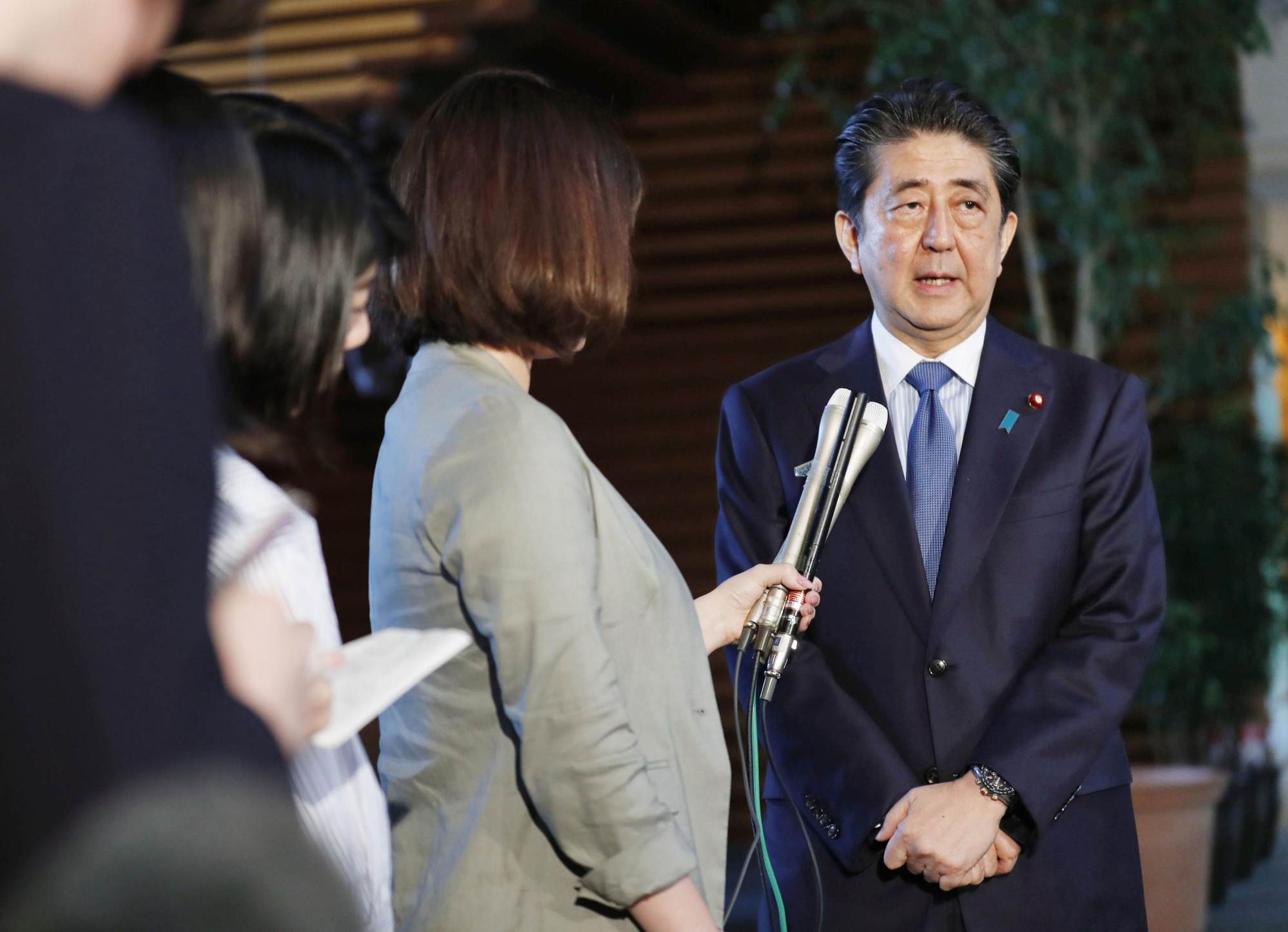
Analysts and industry insiders suggest that these pressures have deep roots. Japan’s best showing on the index was 12th place in 2010, a high point they say coincided with the return of Shinzo Abe as prime minister. Makoto Watanabe, a professor of communications and media at Hokkaido Bunkyo University, believes there is a correlation between Abe’s return to power and a dramatic shift in Japan’s media landscape.
“Abe worked hard to gain more control over the media,” Watanabe said. “Because he had such a large majority in the Diet, there was little the opposition could do about it.”
While the pressure in Japan is not comparable to the overt repression seen in countries like North Korea and Eritrea, Watanabe argues that it is subtle and deeply corrosive. Journalists who wrote positive stories about Abe and his government were given better access and leads, while those who were critical of the Liberal Democratic Party (LDP) received little or no access. This helped the LDP promote positive stories and allowed Abe to court senior television and radio executives, as well as newspaper editors, meeting them regularly for meals.
Watanabe described Abe as “being very clever” in his influence campaign but added that the media became complicit once it stopped being independent. “I see the Abe years as the transition in the relationship, and since then, Japan has had a weak media,” he said. “They are very careful what they report and, very often, they simply do not report matters that paint the government in a negative light.”
Prime Minister Sanae Takaichi, while not as hands-on with influencing the media today, has inherited a media landscape that does not resist the government or the LDP. “She does not need to put pressure on them any more because she is benefiting from Abe’s policies,” Watanabe said.
A former journalist with national broadcaster NHK, who declined to be identified, observed the changes occurring in the newsroom. “Reporters who were out in the field felt the pressure,” he said. “The pressure was especially strong from the government, but then companies saw that it worked and they started doing the same. It was almost as if the media gave up on reporting the real news and just started repeating what they were told.”
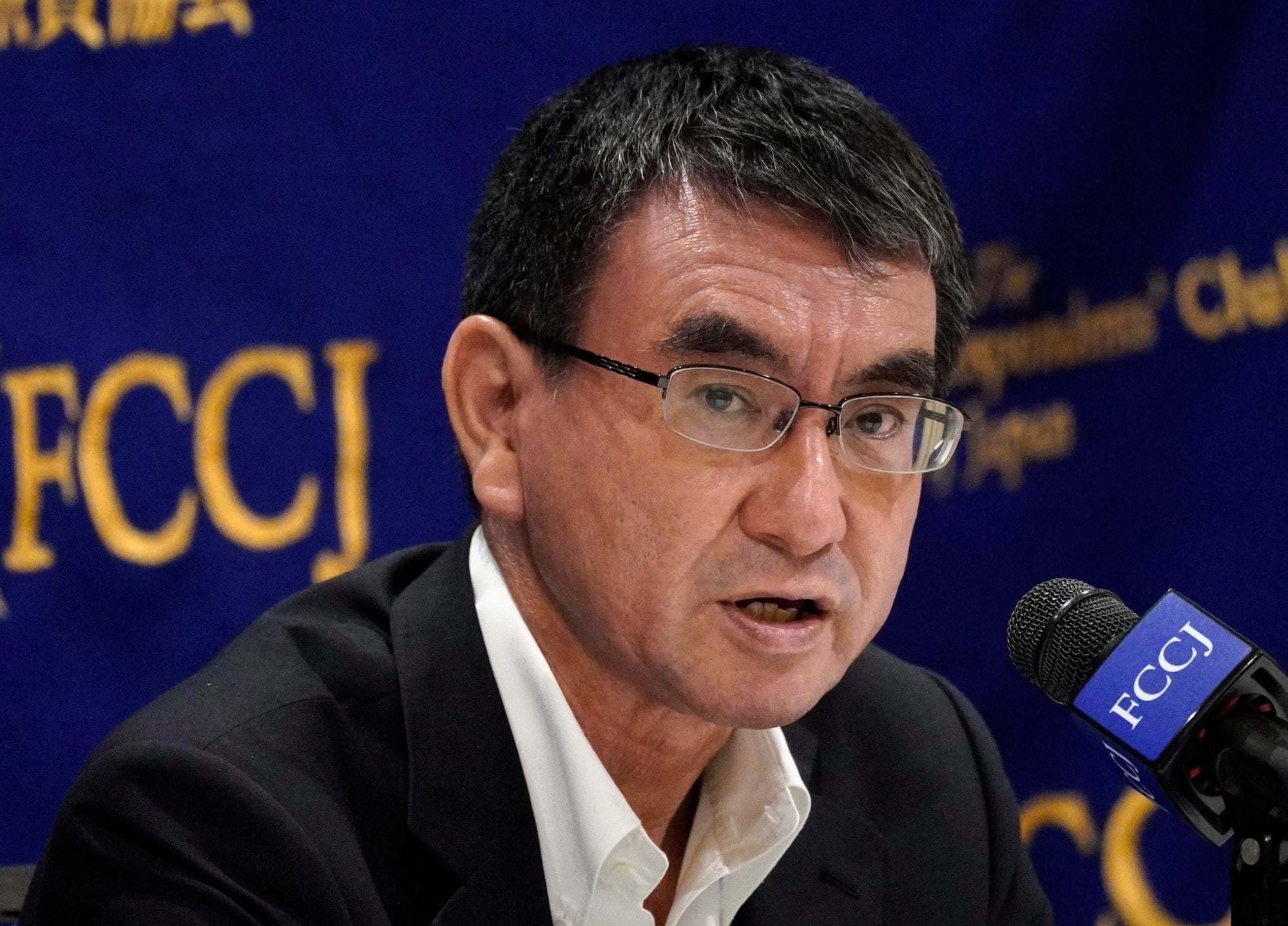
Japan’s system of “kisha clubs”—closed press clubs attached to ministries, agencies, and other institutions—has made life more difficult for reporters. These clubs grant access to briefings and interviews with ministers and senior bureaucrats, but there is an unspoken threat that a reporter’s membership could be withdrawn if they wrote a negative article. The former NHK reporter noted that young reporters are no longer hungry for stories and simply sit in press conferences or rewrite press releases.
Dan Sloan, president of the Foreign Correspondents’ Club of Japan (FCCJ) and a former bureau chief with Reuters, also traced changes in the domestic media back to Abe’s rise to power. “The politicians do not feel they need the media as much as they used to,” he said. “They use social media to get their message out now, and there is less of that tough questioning nowadays.”
RSF has also criticized the 2014 Act on the Protection of Specially Designated Secrets, which was designed to prevent leaks of security-related information. The law has been accused of having a “chilling effect” on journalism due to its lack of protection for confidential sources.