Data Sovereignty Concerns Challenge US Health Agreements with African Nations
As the United States expands its health cooperation initiatives with several African countries, a growing concern over data sovereignty has emerged, potentially complicating these agreements. These partnerships aim to replace the former aid model of the United States Agency for International Development (USAid), but they have also raised questions about the access Washington seeks to local health data.
The U.S. State Department has warned its diplomats to address these concerns, emphasizing that data sovereignty issues could hinder the development of artificial intelligence and other critical technologies in healthcare. This is particularly relevant as many African nations are wary of allowing foreign entities access to sensitive health information.
On February 26, the Democratic Republic of Congo (DRC) became the latest country to sign a memorandum of understanding (MoU) establishing a new bilateral framework for health cooperation. The event was presided over by Prime Minister Judith Suminwa. Other African nations, including Rwanda, Kenya, Lesotho, Burkina Faso, and Uganda, have also signed similar agreements.
The DRC agreement includes $1.2 billion in funding for local health programs, with $900 million provided by the U.S. and $300 million from the Congolese government. According to DRC authorities, this partnership aims to strengthen the national health system and support efforts toward universal health coverage.
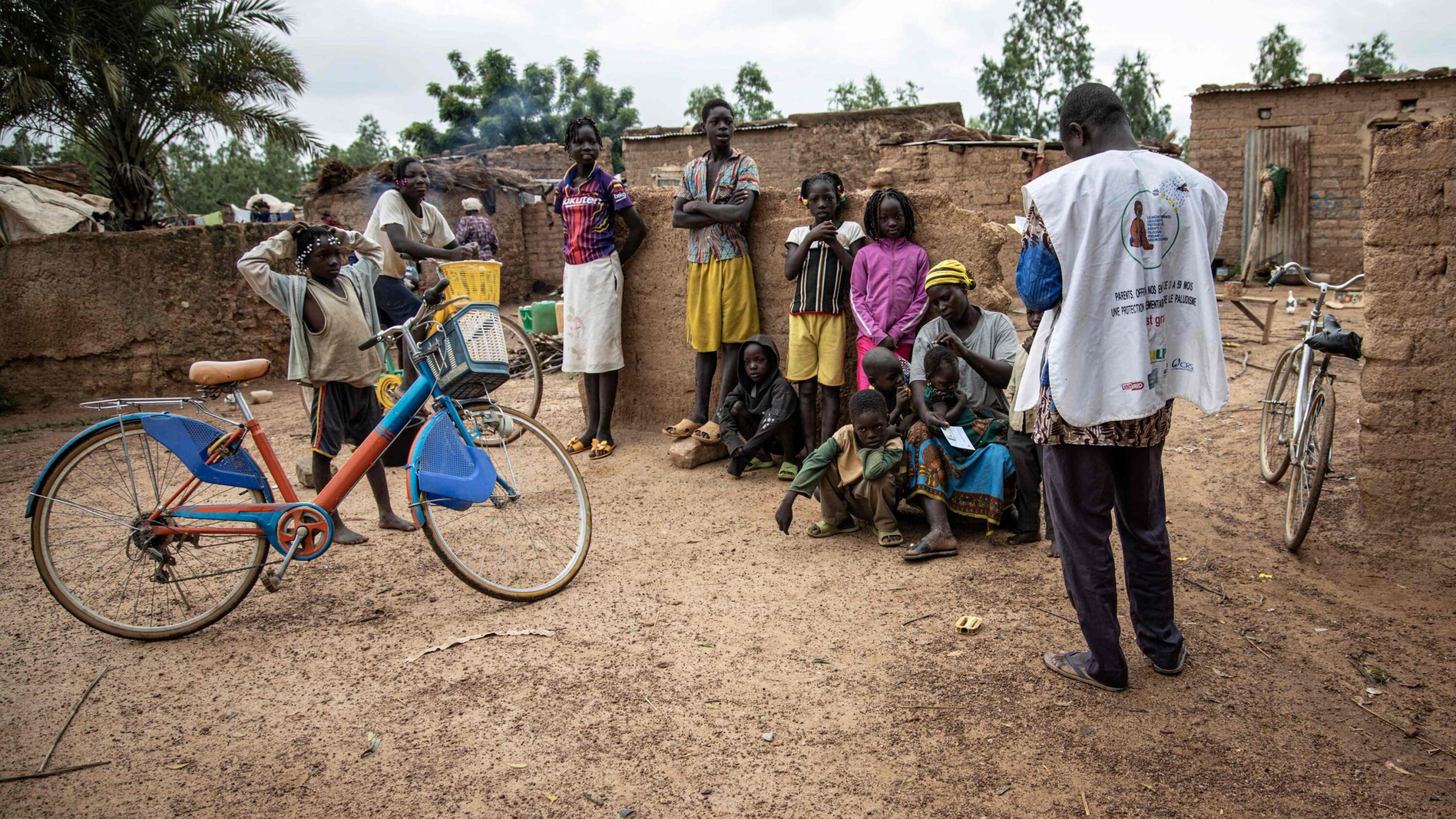
Samuel Roger Kamba, the Minister of Public Health, Hygiene and Social Welfare, highlighted that the MoU covers several priority areas, such as combating HIV/AIDS, tuberculosis, and malaria, improving maternal and child health, continuing polio eradication efforts, strengthening epidemiological surveillance, training health personnel, and preparing for and responding to health emergencies.
Congolese officials emphasize that these interventions aim to consolidate existing achievements while improving access to care and the system’s resilience to crises. However, not all African nations are enthusiastic about these deals.
Disagreements Over Terms and Conditions
While some countries see benefits in these agreements, others have rejected them. For example, Zimbabwe and Zambia have stalled on U.S. health agreements due to concerns over data access. In Zimbabwe, a leaked government memo revealed that President Emmerson Mnangagwa considered the agreement “unbalanced.” The U.S. demanded access to biological samples for research and commercial gain, but was unwilling to share the benefits for future vaccines and treatments.
Zambia also rejected a proposal for more than $1 billion in health assistance from the Trump administration, citing that the terms did not align with the country’s national interests. In response, the U.S. announced it would end its health assistance to Zimbabwe.
In Burkina Faso, after signing a five-year agreement, the U.S. State Department assured that the deal would strengthen regional health security in the Sahel. However, Ouagadougou’s decision to sign was notable, especially after legal disputes with American firms over taxes. Burkina Faso has been leaning towards Russia in recent years, but a U.S. State Department delegation toured the country in January, promising to reverse some “mistakes.”
Financial Benefits and Legal Challenges
For countries like the DRC and Kenya, the financial benefits of these agreements are significant. Kenya, for instance, expects U.S. support for health research. Nairobi was among the first countries to receive the new injectable preventive (Prep) drug for HIV. However, the implementation of the deal faced a setback when the High Court suspended it in December due to privacy violations on data. The case is still pending in court.
DRC Finance Minister Doudou Fwamba Likunde stated that U.S. investments under the agreement would require Kinshasa to increase its health budget. Ian McCary, the U.S. Chargé d’Affaires, noted that the partnership marks a shift towards a collaborative model based on shared responsibility, aiming to strengthen health security and establish a more resilient health system in the DRC.
Through this memorandum, Kinshasa and Washington intend to structure their cooperation around long-term financial and technical commitments. The DRC was one of the countries that received substantial U.S. aid through USAid to combat local health challenges such as Ebola, Mpox, and Covid-19. In 2023, the DRC received about $1 billion from the U.S., representing roughly 70% of the aid provided to the country.
However, the abrupt interruption of this aid had several consequences, including the closure of several health NGOs and a decline in the treatment of tuberculosis and HIV/AIDS, leading to an increase in mortality linked to these diseases.