
Jakarta’s Crackdown on Street Crime Sparks Debate
Jakarta residents have shown mixed reactions to a new police-military campaign targeting violent street crime, particularly the notorious “begal” muggings. While many welcome the initiative as a necessary step to restore public safety, human rights groups and legal experts express concerns about the potential return of authoritarian-era security measures.
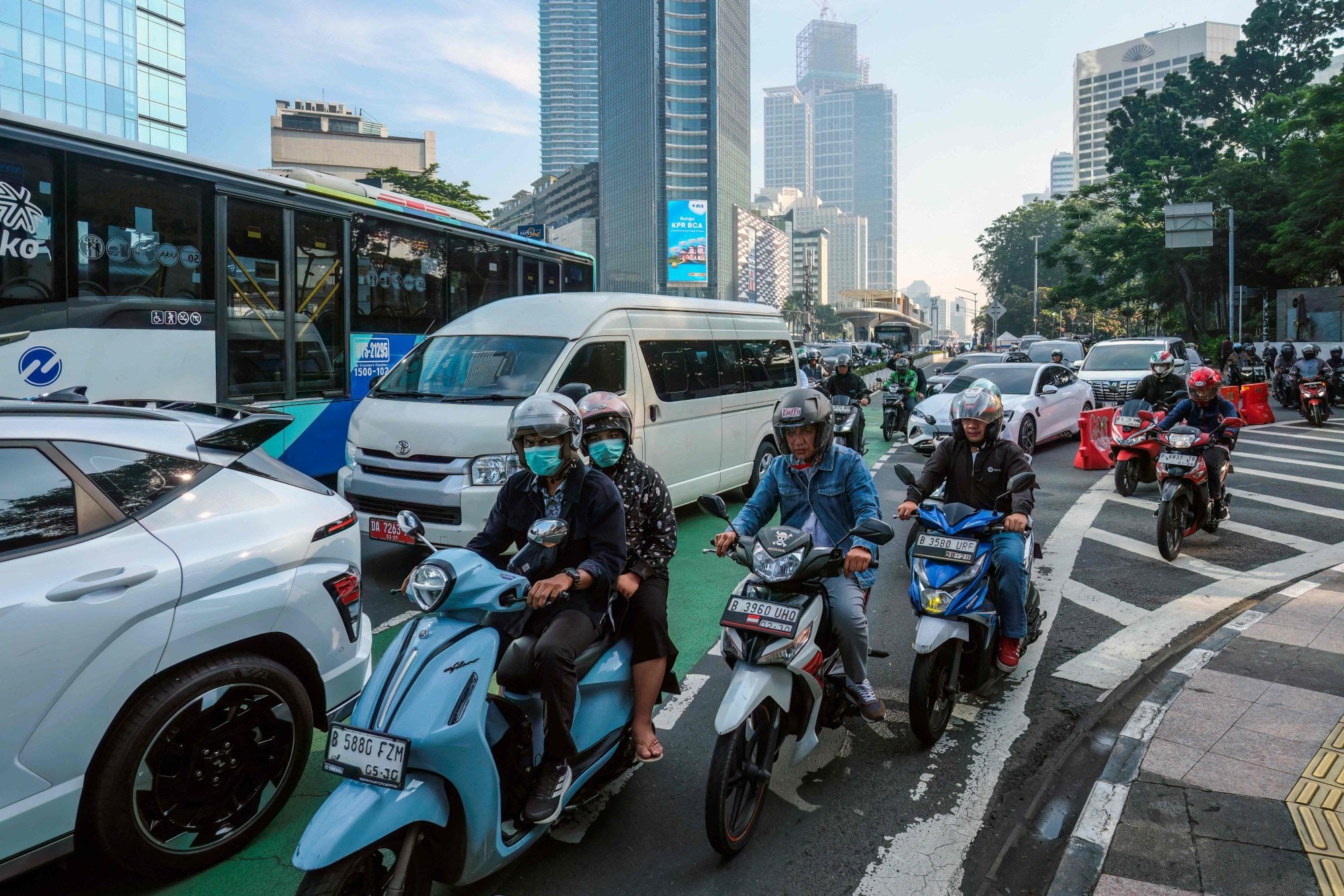
The campaign, launched in response to a surge in motorbike-related robberies, involves a 24-hour joint patrol task force comprising police and military personnel. The operation, known as the Begal Hunter Team, has already arrested 173 suspected offenders as of May 22. According to Police Grand Commissioner Iman Imanuddin, director of general crimes investigation at the Jakarta Metropolitan Police, there were 1,283 reports of street crime between May 1 and 22, with aggravated theft accounting for 651 cases.
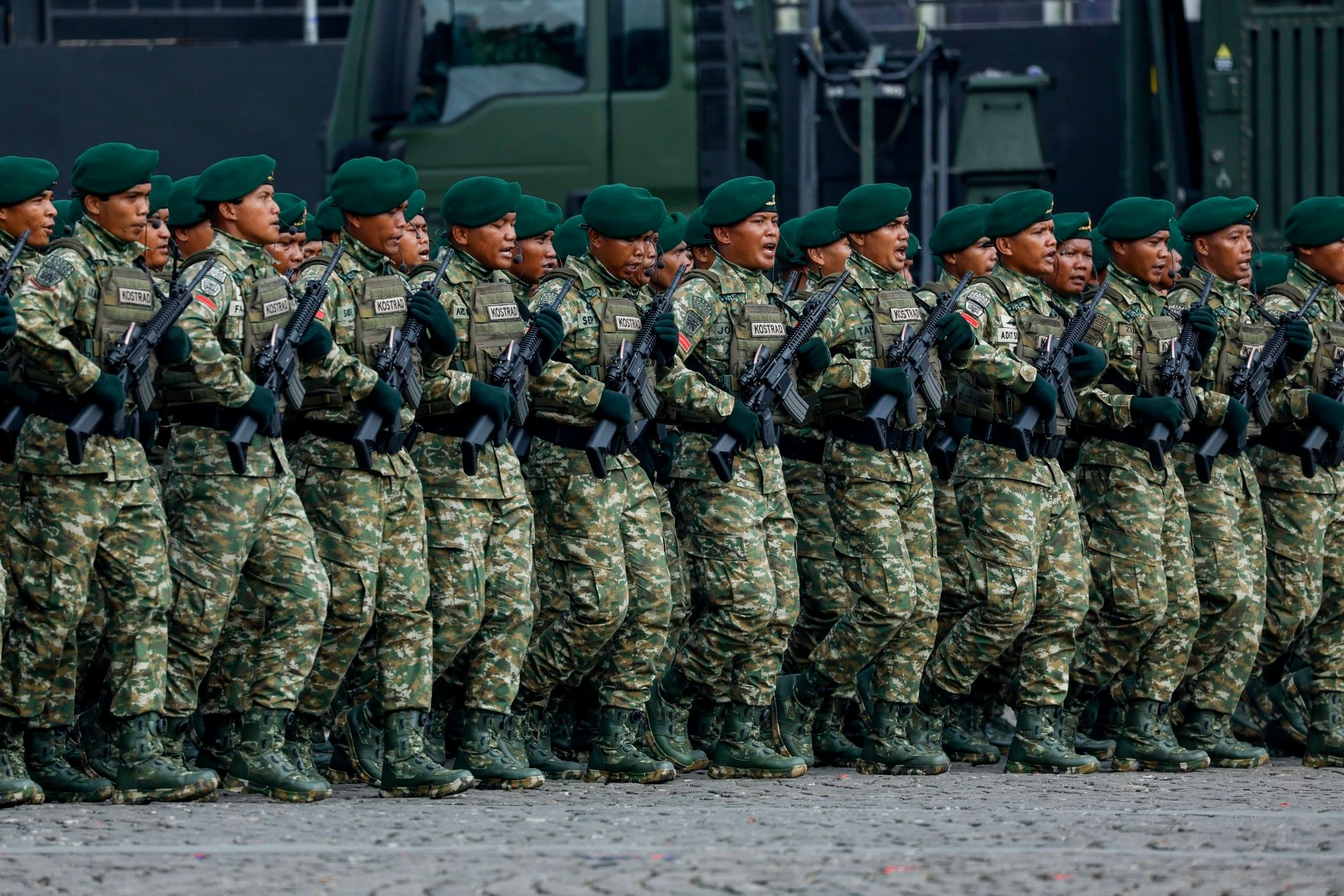
The collaboration between the police and the Indonesian Armed Forces (TNI) has raised questions about the blurring line between law enforcement and military power. Lawmakers have voiced support for stricter measures, with some advocating for officers to shoot suspects on sight. Ahmad Sahroni, a lawmaker, stated that decisive action was essential to ensure public safety.
Lieutenant Colonel Noor Iskak, Kodam Jaya spokesman, emphasized the importance of the military’s presence in providing a sense of security. Defence Minister Sjafrie Sjamsoeddin highlighted the military’s role in supporting the crackdown, noting plans to establish 750 Territorial Infantry Development units over the next five years.
Despite these efforts, the situation remains complex. Some residents appreciate the increased security but feel uneasy about the military’s involvement. Vitalia Jakarapatr, a West Jakarta resident, shared her experience of witnessing a recent mugging. She described how two men used a knife to snatch a mobile phone from a friend, leaving her worried about her own safety.
“I am worried about myself too because I go to work every day by public transport and get off on that street, and I’m scared. I just try to be as careful as possible on the street,” she said.
Legal experts like Fadhil Alfathan, director at the Jakarta Legal Aid Institute, warn that the military’s involvement carries an ominous tone. He draws parallels to the “petrus” killings during Suharto’s regime, where undercover military personnel targeted suspected criminals. Fadhil emphasized the need for police to address the rise in muggings without resorting to excessive violence or neglecting legal procedures.
On the other hand, researcher Beni Sukadis argues that the new initiative is not inherently problematic. He points to the 2004 National Armed Forces Law, which allows troops to participate in non-combat duties such as disaster response and counterterrorism. However, he stresses the need for clear rules and accountability mechanisms to prevent misuse.
Rico Sirait, a defense ministry spokesman, reiterated the military’s commitment to professionalism and coordination with the national police. He emphasized a humanistic approach in accordance with applicable regulations.
As Jakarta continues to grapple with the challenges of street crime, the balance between public safety and civil liberties remains a critical issue. The ongoing debate highlights the complexities of modern policing and the need for transparent, lawful, and effective strategies to address rising crime rates.