Firefighters in Manchester Face Concerns Over Political Allegiances
Firefighters in Greater Manchester have found themselves at the center of a growing controversy over their political affiliations. Senior figures within the Greater Manchester Fire and Rescue Service (GMFRS) have reportedly spoken to employees who supported Reform UK, raising concerns about the potential impact on the service’s values and professional conduct.
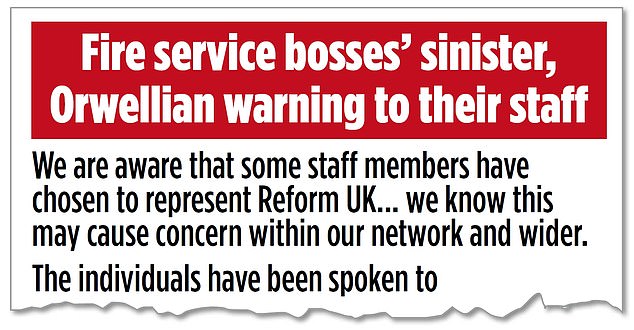
The issue has sparked a debate about free speech and the boundaries of political activity within public services. While firefighters are not legally restricted from participating in national or local politics, the recent actions of GMFRS leaders have been described as an “Orwellian” move that could have a “chilling effect” on employees’ freedom of expression.
The controversy came to light through an internal email sent by Carl Petch and Humaira Ahmed, joint heads of the service’s ‘race and faith staff network’. The email, seen by The Mail on Sunday, addressed concerns about staff members who had chosen to represent Reform UK in their local areas. It stated that these individuals had been “spoken to” to ensure they upheld the core values and professional behaviors expected of GMFRS employees.
The email also indicated that the service was seeking legal advice to determine how to handle situations where firefighters stood for Reform UK in recent local elections. This move has raised questions about whether similar actions would be taken against firefighters supporting other political parties.
Free Speech Union founder Toby Young criticized the email, stating that it created a “chilling effect” on the free speech of employees who support Reform UK. One firefighter who won a council seat for Reform expressed concern about his promotion prospects, suggesting that party supporters may be treated differently within the service.
In the email, Petch and Ahmed emphasized the importance of maintaining an inclusive culture while also urging employees to report any concerns about colleagues’ political activities. They invited staff to reach out directly if they felt impacted by the situation, effectively encouraging informants to monitor their peers.
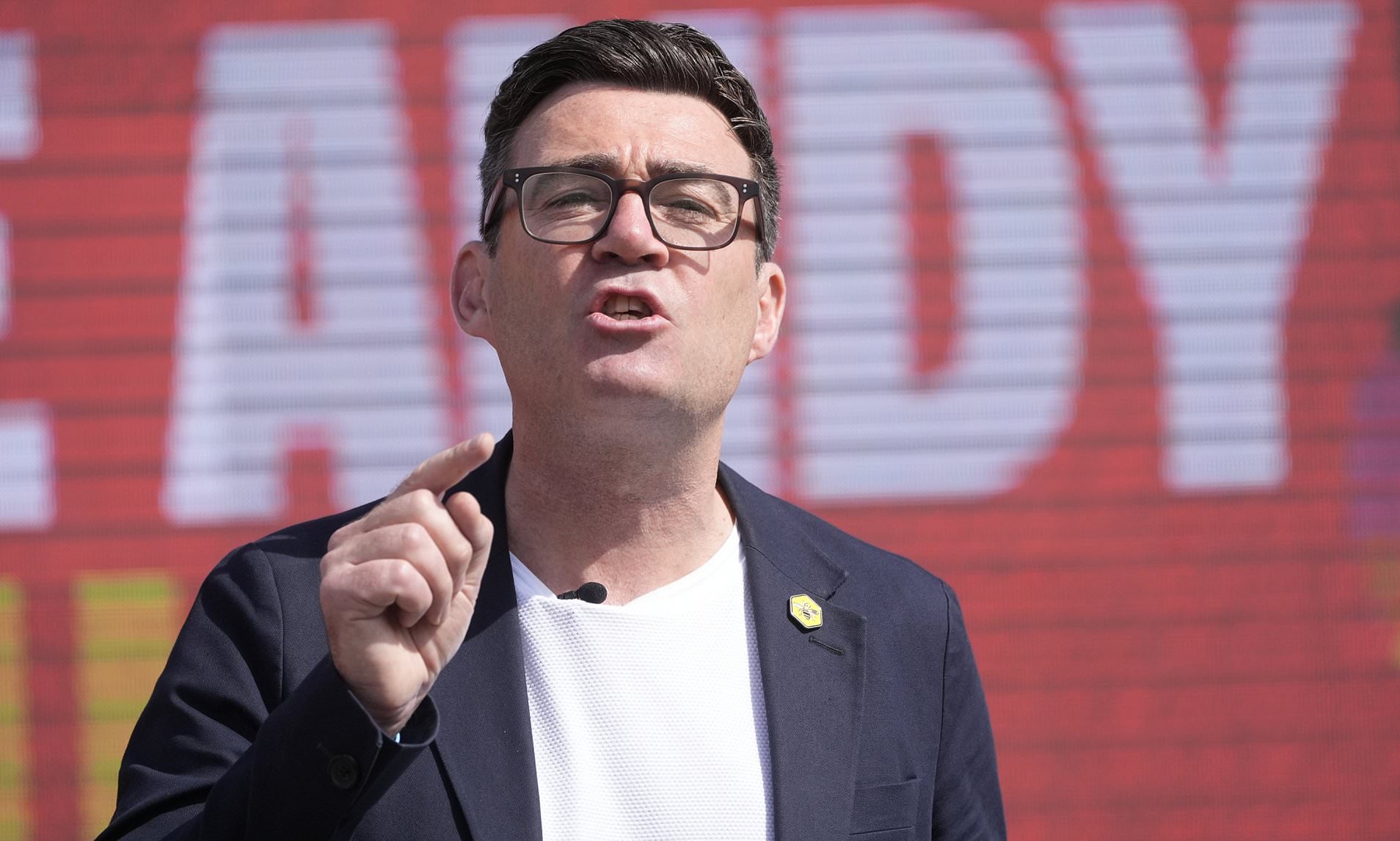
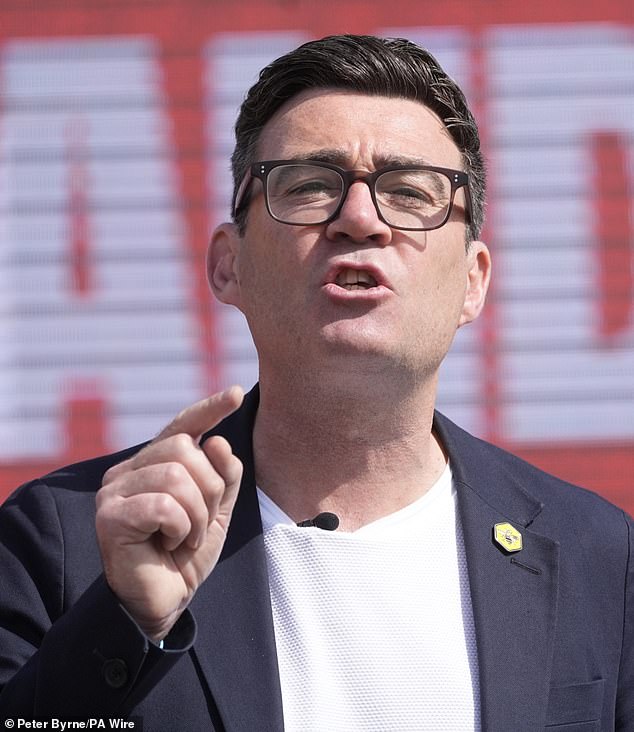
The email also mentioned consultations with the Fire Brigades Union (FBU), which recently endorsed Andy Burnham’s bid for the Makerfield by-election. The union had previously contributed £10,000 to help bolster Burnham’s political ambitions.
Lord Young, director of the Free Speech Union, pointed out that there had been no action taken against firefighters supporting other political parties, despite the email’s implication that supporting Reform UK is a threat to the service’s culture. He questioned what steps Burnham had taken to ensure that Reform UK supporters faced no disadvantages and whether the email would be formally repudiated.
A firefighter who became a Reform councillor last month claimed the email reflected the “culture which Burnham has created in the service.” He argued that it called his integrity into question and suggested that his support for Reform had made colleagues feel unsafe.
Tony Greenhalgh, chairman of Stockport Reform and a former FBU regional branch chairman, warned that such identity politics could undermine trust in the fire service. He expressed concern that if Burnham becomes Prime Minister, this kind of behavior could become even more pronounced.
The FBU has endorsed Burnham’s campaign for the Makerfield by-election, citing his “consistent solidarity and support for firefighters and the FBU.” However, the union has not commented on the specific concerns raised by the email.
Burnham’s office declined to comment on the matter, while a spokesperson for GMFRS stated that the service is “politically neutral.” They added that all staff are entitled to participate in political activities, and that managers typically provide guidance on maintaining neutrality in the workplace.
Despite these assurances, the incident has highlighted the complex relationship between public service roles and political engagement. As the debate continues, the implications for free speech, workplace culture, and institutional impartiality remain significant.