
A Growing Conflict Over Houseboats Near Pulteney Bridge
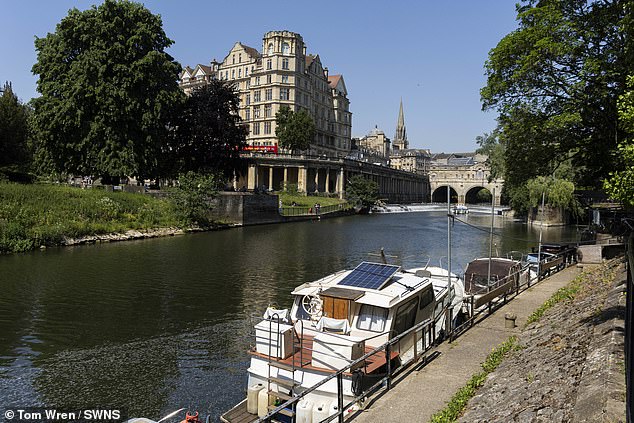
Residents living on houseboats near the iconic Pulteney Bridge in Bath are facing a difficult decision. The area, known for its picturesque views and historical significance, has become the center of a heated debate between local authorities and boat owners. The council has ordered residents to leave their homes, citing safety concerns and the need to protect the river’s flood defenses. However, the boat owners argue that the real reason behind the eviction is more about development plans than safety.

The Historical Significance of Pulteney Bridge
Pulteney Bridge, an 18th-century structure spanning the River Avon, is one of Bath’s most recognizable landmarks. Millions of tourists visit the city each year to see this architectural marvel. For years, some houseboat owners have been able to live close to the bridge without paying rent, as the area allows for “free navigation.” Some of these residents even expressed willingness to pay if it meant being able to stay.
However, the Liberal Democrat-controlled Bath and North East Somerset Council has now issued orders for them to leave, claiming that the houseboats pose a danger to both residents and other river users. The council states that they are taking action to ensure public safety by addressing unauthorized mooring locations.


Claims of Bias and Development Plans
The boat owners, however, do not believe the council’s claims are entirely truthful. Many of them feel that they are being targeted because of their appearance, with some calling the situation “scruffy” rather than unsafe. Others suspect that the council is pushing them out to make way for a new Bath Rugby stadium, which would replace the current one nearby.
Ted, a 54-year-old boat owner, said, “There’s not a health and safety issue – they’re just using that against us. It’s all about the rugby ground, getting rid of the boats and trees.”
Another resident, who wished to remain anonymous, added, “They want to send us to the canal, but there are no residential moorings there. This is all smoke and mirrors. It’s about the development of the rugby ground.”
Concerns About Legal Action and Eviction
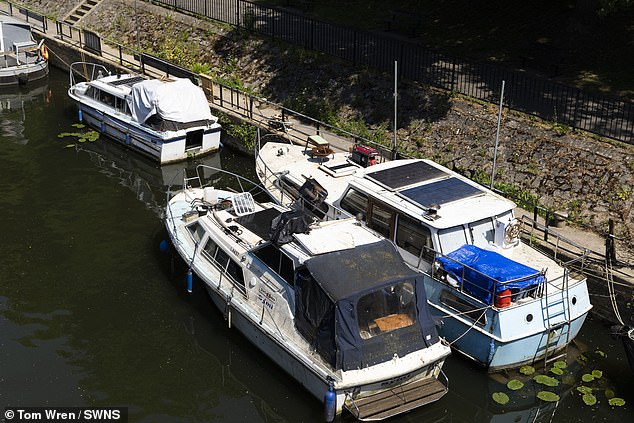
Some residents are worried about the financial burden of legal action. One person claimed that the council may spend up to £1.5 million on evictions, but they believe the council has no solid legal grounds for the move. They also mentioned that they plan to submit a planning application to manage the mooring themselves, including holiday boats and residential vessels.
“I’ve been here four years and there’ve been no health and safety issues at all,” said Percy Walton, 67, who has lived on his boat for the past four years. “They just want us to go because we’re scruffy.”
Walton also emphasized that the houseboat community contributes to the local area. Tourists often ask questions about the history of the river and the surrounding trees. He noted that residents dispose of their waste responsibly and that their presence does not harm the environment.
Council Response and Safety Concerns
The council responded to the situation, stating that the moorings along the Pulteney Bridge stretch are unsafe for boat owners. They cited the risk of flooding, particularly during severe winter weather, as a major concern. The council also pointed out that the channel is critical for the city’s flood defenses and is not intended for regular boat use.
Councillor Sarah Warren, Deputy Leader and Cabinet Member for Sustainable B&NES, explained that the council is concerned about the risk of serious injury from gangplanks and improperly secured boats. She emphasized that the council is working with boat owners and the Canal and River Trust to help relocate them to safer areas.
“We want everyone in B&NES to have a safe place to call home and prevent all our residents from coming to harm,” she said. “As a last resort, we will take legal action if vessels remain in place beyond the date we have asked them to leave.”
A Community in Limbo
Despite the council’s stance, many boat owners remain determined to stay. They argue that their homes are part of the local landscape and that their presence supports tourism. Some believe that with proper management, the area could look even better while still accommodating the houseboats.
For now, the conflict continues, with the deadline for relocation set for mid-September. Whether the boat owners will be able to find a solution or face eviction remains to be seen.