Introduction to the New Tax Framework
The Nigerian Federal Government has taken a significant step towards integrating millions of small and informal businesses into the formal economy. This initiative involves the signing of a new presumptive tax framework, designed to simplify taxation for traders, artisans, and other micro enterprises across the country. The goal is to create a more inclusive and efficient tax system that supports economic growth while protecting the interests of small business owners.
Key Objectives of the Presumptive Tax Regime
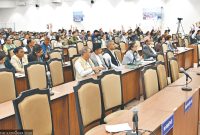
At the signing ceremony held at the Ministry of Finance in Abuja, Minister of Finance and Coordinating Minister of the Economy, Wale Edun, emphasized that the framework is part of a broader tax reform program under the administration of President Bola Ahmed Tinubu. This program aims to expand the nation’s tax base while ensuring that small businesses are not burdened by complex accounting requirements.
Edun explained that the presumptive tax regime is intended to provide a simple and structured system for small businesses operating in the informal sector to comply with their tax obligations. Rather than relying on complicated financial records, the system will use clear indicators such as business category and turnover levels.
Benefits for Small Businesses
According to Edun, the primary objective of the presumptive taxation system is to provide a fair, simple, and predictable framework for tax compliance. He highlighted that this approach would help the government widen the tax base and strengthen non-oil revenue without increasing existing tax rates.
“Micro and small businesses are the backbone of Nigeria’s economy,” Edun stated. “This framework reduces compliance costs and provides a structured pathway into the formal sector.”
He also noted that the regulations would bring clarity to tax authorities and protect taxpayers from arbitrary assessments. The system will be transparent, rules-based, and nationally consistent.
Impact on Government Revenue and Investment
Edun added that strengthening government revenue through a broader tax base would allow the government to invest more in infrastructure, security, and social programs. A stronger, more diversified revenue base enhances the government’s capacity to fund infrastructure, social investment, security, and economic growth.
The regulations were developed in collaboration with the Joint Revenue Board to ensure coordination between federal and state tax administrations. This partnership ensures that the framework aligns with the needs and realities of different regions across the country.
Perspectives from the Joint Revenue Board
Speaking at the event, the Executive Secretary of the Joint Revenue Board, Mr. Olusegun Adesokan, described the new framework as a major step toward making the tax system fairer for ordinary Nigerians. He emphasized that the reform demonstrates the commitment of the Tinubu administration to ensure that the tax system supports economic growth rather than placing pressure on struggling citizens.
“This revolution is another demonstration of President Bola Ahmed Tinubu’s commitment to taxing prosperity and not poverty,” Adesokan said.
Exemptions and Simplified Tax Rates
Adesokan mentioned that businesses with an annual turnover of up to N50 million will be exempt from tax under the arrangement. This exemption allows struggling entrepreneurs to retain more capital to run and expand their businesses before eventually entering the tax system.
“For other categories of informal businesses that fall outside the exemption threshold, the framework introduces a simplified tax rate based on turnover,” Adesokan explained. “It introduces a tax rate of one per cent turnover on all other categories of informal businesses.”
Modernization of Tax Administration
The framework also aims to modernize tax administration by promoting the use of technology in tax payments. According to Adesokan, the system prohibits the use of cash for tax collection and encourages electronic payment systems to improve transparency.
“Apart from encouraging the use of technology for payment of taxes and cash collection, it bans all forms of cash collection by tax authorities,” he said.
Additionally, the framework prohibits the use of roadblocks by tax officials to collect levies, a practice that has long been criticized by businesses and transport operators.
“It also bans the mounting of roadblocks for the collection of taxes,” Adesokan added.
Encouraging Formalization of the Informal Sector
Adesokan explained that the framework is designed to make it easier for informal businesses to transition into the formal economy through a structured tax platform. “It encourages the formalisation of the informal sector by putting in place a seamless manner to bring them into the formal economy through the tax platform,” he said.
He noted that state governments are supportive of the new framework because it provides a uniform structure for managing taxation in the informal sector across the country.
“The subnationals are very grateful that these regulations have been issued today. They constitute the framework for taxing the informal sector,” Adesokan said.
Conclusion: A Step Toward Fair and Equitable Taxation
Adesokan added that the initiative would help strengthen trust in the tax system and show Nigerians that the government is committed to fairness in tax administration.
“Our people will see that this government is truly committed to a fair and equitable tax administration system,” he concluded.
The presumptive tax framework is part of a wider fiscal reform program aimed at improving revenue generation, formalizing small businesses, and reducing dependence on oil income.