Turkey’s Growing Role in the Gaza Ceasefire
Israel has expressed its disapproval of Turkey’s involvement in the Gaza ceasefire negotiations, yet US President Donald Trump has still managed to bring Ankara into the planning process. The question remains: what role can Turkey play, and what benefits does it stand to gain from its participation?
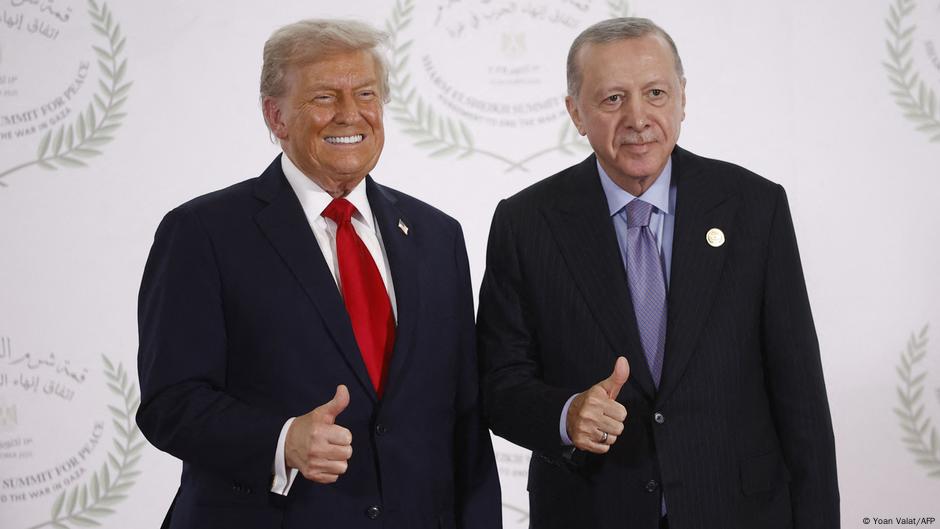
It appears that Turkish President Recep Tayyip Erdogan is currently enjoying a favorable position with his US counterpart, Donald Trump. Meeting with the US president in the Oval Office can be a challenging experience, as one never knows what kind of reception they might receive. However, this has not been an issue for Erdogan so far. For weeks, Trump has spoken highly of the 71-year-old Turkish leader.
During the meeting on the Gaza ceasefire held in the Egyptian resort of Sharm el-Sheikh on October 13, Trump placed the Turkish president in the first row. He was among a small group of leaders who signed a statement supporting the Gaza ceasefire, along with Trump and representatives from Egypt and Qatar. Trump also reiterated his view that Erdogan is a good friend.
Israel’s Concerns About Turkish Involvement
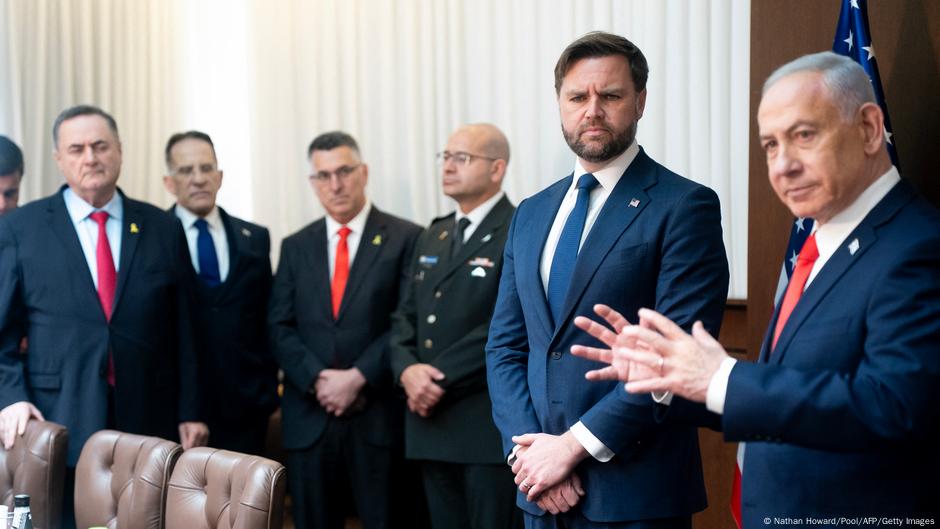
Despite the positive remarks from the US, Israel has made its stance clear regarding Turkey’s potential role in Gaza. US Vice President JD Vance echoed similar sentiments during his recent visit to Israel, noting that Turkey has played a constructive role in resolving the Middle East conflict thus far and that this could continue.
This position puts the US at odds with Israeli Prime Minister Benjamin Netanyahu and his cabinet, who hold a more negative view of Erdogan due to his perceived closeness to Hamas and his ongoing criticism of Israel’s actions in Gaza.
At a joint press conference held by Netanyahu and Vance, when asked about the possibility of Turkish troops being part of an “international stabilization force” in Gaza, Netanyahu responded with a firm statement: “I have very strong opinions about that. You want to guess what they are?”
Deteriorating Turkish-Israeli Relations
Over the past two years, Turkish-Israeli relations have significantly deteriorated. Ankara has accused Israel’s government of committing genocide in Gaza, and Erdogan himself has referred to Netanyahu as the “butcher of Gaza.” He has also described Hamas as a “liberation movement.”
Unverified reports in the Turkish media suggest that Ankara has provided refuge to Hamas members and their families. The Palestinian militant group is designated as a terrorist organization by Israel, Germany, the US, and several other countries. While there are known Hamas members in Turkey—some of whom were released in a previous prisoner exchange with Israel—Turkey claims that Hamas has never established an office within the country.
Israeli politicians have frequently used anti-Turkish rhetoric, especially far-right ministers in Netanyahu’s government, who have shared offensive photo montages and caricatures, some in Turkish. After the death of Hamas leader Yahya Sinwar in Gaza in October 2024, Israeli Defense Minister Israel Katz shared a photo of Sinwar’s dismembered body, calling him “Erdogan’s murderer friend.”
Turkey’s Strategic Positioning
In terms of negotiating with Hamas, the US already has Qatar as a partner, as Hamas’ political leadership is based in Qatar. However, Trump’s decision to include Turkey in the equation, despite Israeli opposition, stems from Ankara’s strategic positioning.
According to Hakki Tas, a research fellow specializing in Turkey and Egypt at the German Institute for Global and Area Studies (GIGA), Trump aims to resolve the issue at the lowest possible military and economic cost to the US. Turkey, he explains, is one of the few actors that can exert indirect pressure on Netanyahu through its policies while simultaneously influencing Hamas.
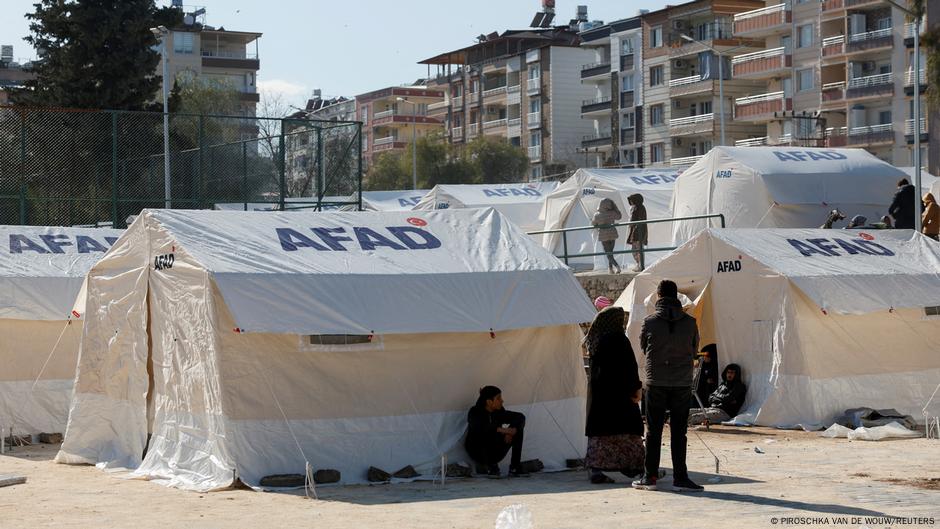
Turkey is also a NATO member with close ties to the West, a key military player, and has extensive experience providing humanitarian aid and logistics for reconstruction in the Gaza Strip. Organizations like the Disaster and Emergency Management Authority (AFAD) and the Turkish Red Crescent have significant expertise in dealing with disasters and displacement.
Geopolitical Gains for Erdogan
Playing a role in the Gaza ceasefire gives Erdogan geopolitical clout, particularly in relation to an increasingly weaker Hamas and an unpopular Israel. Erdogan has moved from the sidelines to become a central player, which brings him prestige and appeals to his supporters’ pro-Palestinian sentiments.
Erdogan’s mostly nationalistic and conservative base has not been pleased with Ankara’s recent politics. However, the idea that Turkey is now supporting the peace deal in Gaza, possibly sending troops, and engaging in humanitarian and reconstruction work may satisfy many of them.
Turkish security expert Burak Yildirim believes that deploying Turkish troops into Gaza would be a major domestic and political win for Erdogan, helping to strengthen the narrative of the Turkish government’s foreign policy effectiveness. For hard-liners in Turkey, such a deployment would be of great significance.
Military Moves in Gaza Are Too Risky
The ceasefire in Gaza continues to appear fragile. Meanwhile, Ankara is focusing on Syria, even though it also wants to remain an important actor in Gaza.
According to Yildirim, Turkey cannot resolve the Israeli-Palestinian conflict, especially when it comes to a two-state solution. Turkey alone cannot make Palestine a universally recognized state, nor can it allay Israel’s security fears. However, it can bring conflict parties and other stakeholders to the table.
Tas is unsure whether Turkey can maintain this role in the medium or long term. There are too many potential fault lines, including Israel’s violations of international law in the Palestinian territories, disagreements with Egypt, the US Congress’ restrictive approach to dealing with Erdogan, and divisions within Hamas.
This is why Tas expects Turkey to focus primarily on humanitarian and logistical issues in Gaza. Political and military topics are seen as too high-risk for Ankara.