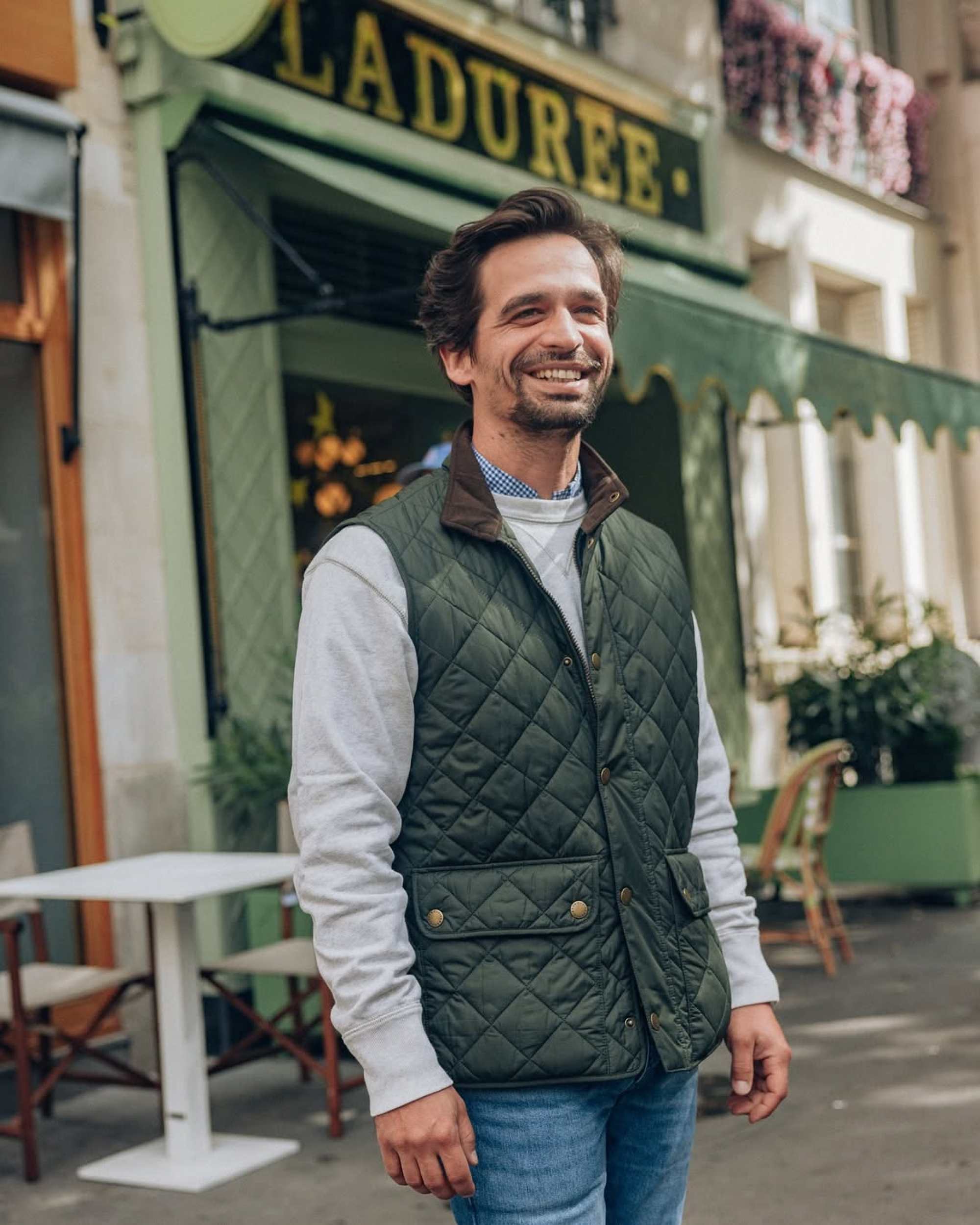
The Rise of Preloved Fashion: A Fusion of Heritage and Sustainability
Fall has finally arrived in New York City, and with it comes the return of the Barbour jacket—a staple for the finance set. This iconic piece of outerwear has deep roots in British heritage, tracing back to 1894 when Scotsman John Barbour started selling oilskins to sailors and fishermen in northeastern England. Over time, the brand became synonymous with rugged outdoor wear, finding its way into the wardrobes of motorcyclists, the British submarine service, and even royalty.
Today, a Barbour jacket is more than just clothing; it’s a symbol of belonging to a certain class. It’s often associated with those who don’t face the elements on a daily basis. The older the jacket, the more it signifies a rich history. Mending stitches and faded spots tell stories of past adventures—whether it was a Christmas tree mishap or years spent carrying a backpack through college.
Barbour jackets are not designed to be aesthetically pleasing but rather functional. They’re built to last, with oversized brass zips that never snag and soft tartan lining that offers warmth without being too hot. The collar might never sit perfectly, giving the jacket a slightly rakish look. If you need longer sleeves, Barbour simply adds extra cotton, a practice many other brands could learn from.
“One of the unique things about our brand is that we always hear the stories that come with the garments,” says Paul Stephan, Barbour’s vice-president of marketing for North America. “This was bought for me by my parents or handed down for me by my grandparents. We’ve heard stories of a jacket that’s lasted 40, 50 years.”

The secret to keeping a Barbour jacket in good condition lies in rewaxing it. This process, similar to waxing a car or polishing shoes, boosts water resistance and protects the material from wear and tear. While once you had to mail your coat in or bring it to a store, today you can drop it off at various retail locations, including Nordstrom, and have it returned in about four weeks. You can also visit the Barbour boutique in Washington’s Georgetown neighborhood or on New York’s Upper East Side and watch the waxing process live. The experience is oddly soothing, as the clerk spreads hot wax on the jacket using a sponge, taking about 15 minutes total.
This growing appreciation for patina—signs of use and love—has led to a surge in interest in preloved fashion. Gen Z shoppers, in particular, are drawn to items like weathered LL Bean Boat and Totes, which they buy for hundreds of dollars. If your Barbour jacket becomes too tattered, Barbour will buy it back and restore it through its Re-Loved programme, launched in 2019. The company mends, stitches, and waxes the jacket before reselling it, sometimes adding contrast-color patches and tartan to give it more personality.
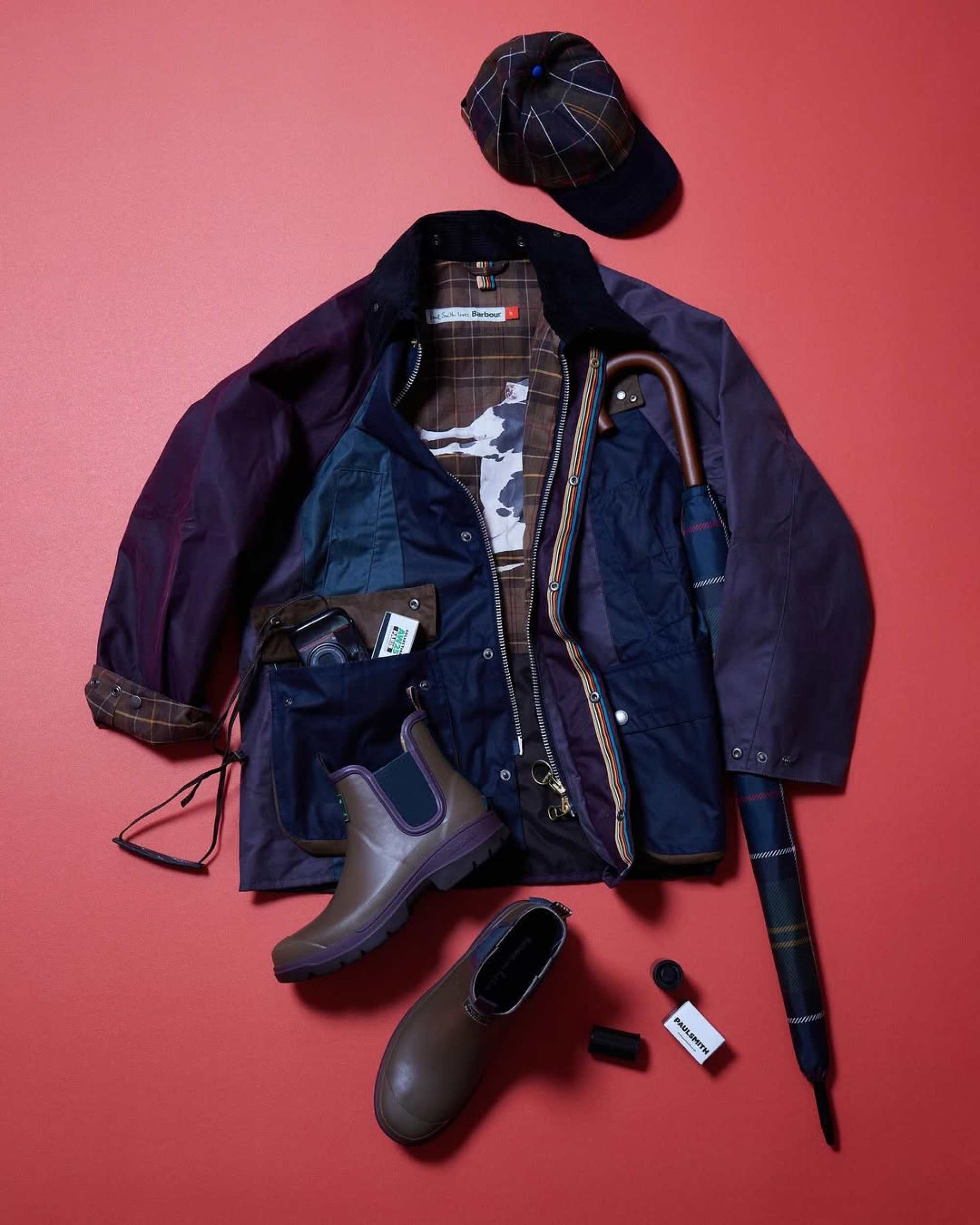
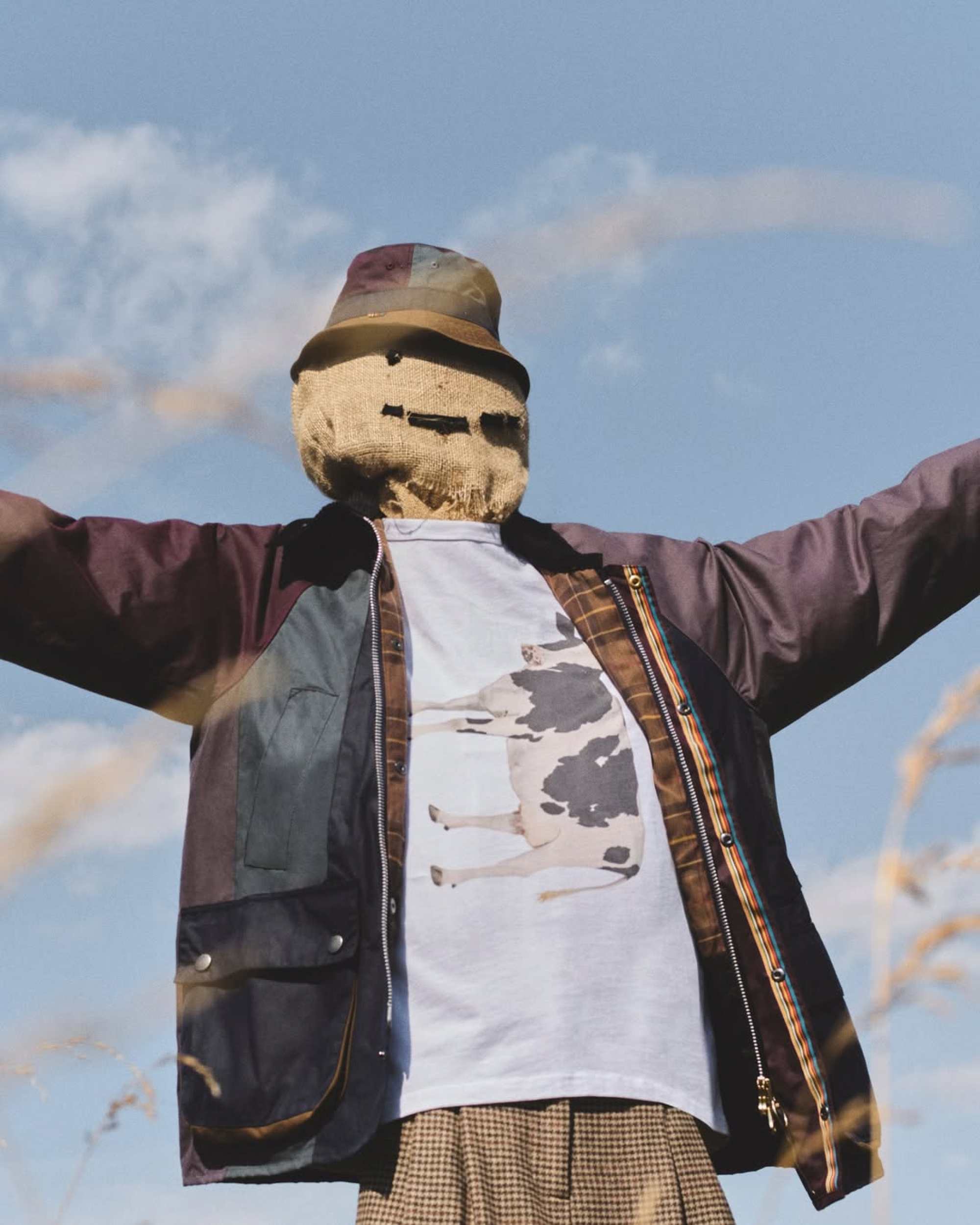
In a partnership this year, designer Paul Smith created his own line of Re-Loved Barbours as part of his Paul Smith Loves Barbour collection, featuring purple patches, oversized cuts, and stripes. This collaboration highlights the growing trend of sustainability in fashion, where brands are rethinking their approach to durability and environmental impact.
Denim purveyors have long tried to replicate the look of well-worn jeans, but factory-applied patina rarely looks authentic. Levi Strauss & Co.’s Secondhand programme, introduced in 2020, aims to extend the life of its rugged denim by buying back old pieces and offering them at lower prices. Similar initiatives exist among American companies such as Coach, Carhartt, Patagonia, Arc’teryx, and Filson, all targeting Gen Z and millennial consumers who prioritize sustainability and durability.
With the rise of resale platforms, younger generations have become increasingly interested in vintage and preloved items. Even in areas like handbag and watch collecting, where mint condition used to be the gold standard, collectors now seek out pieces with unique signs of wear. Tony Traina, author of the Substack “Unpolished,” notes that younger people are drawn to the nostalgia of pre-technology times. He explains that collectors appreciate the natural wear on vintage watches, valuing authenticity over perfection.
When your friends compliment your distinctive new jacket, you can say, “What, this old thing?” This sentiment captures the essence of preloved fashion—a blend of heritage, sustainability, and personal storytelling.