U.S.-South Korea Tariff Negotiations: A Tense Standoff
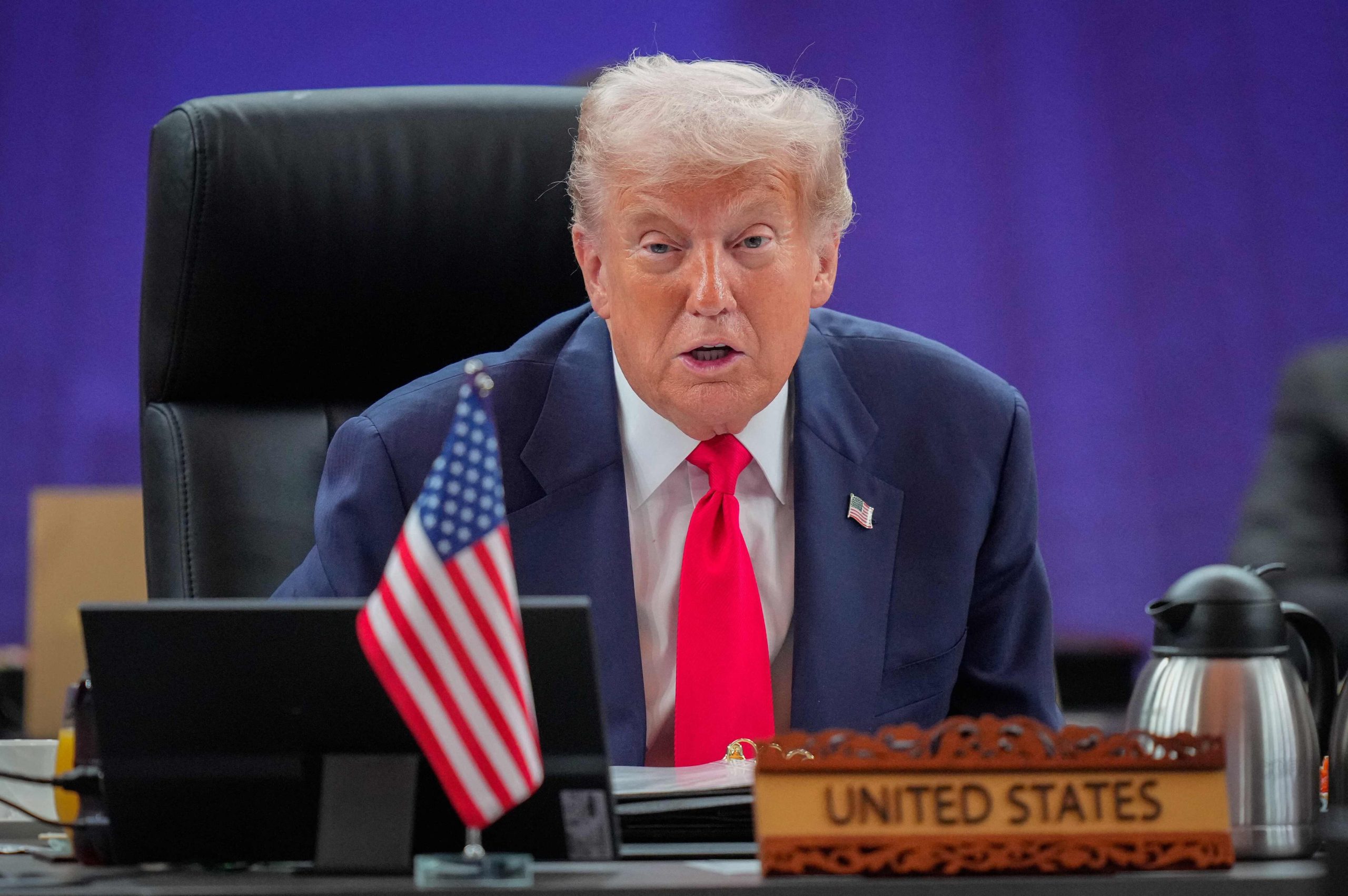
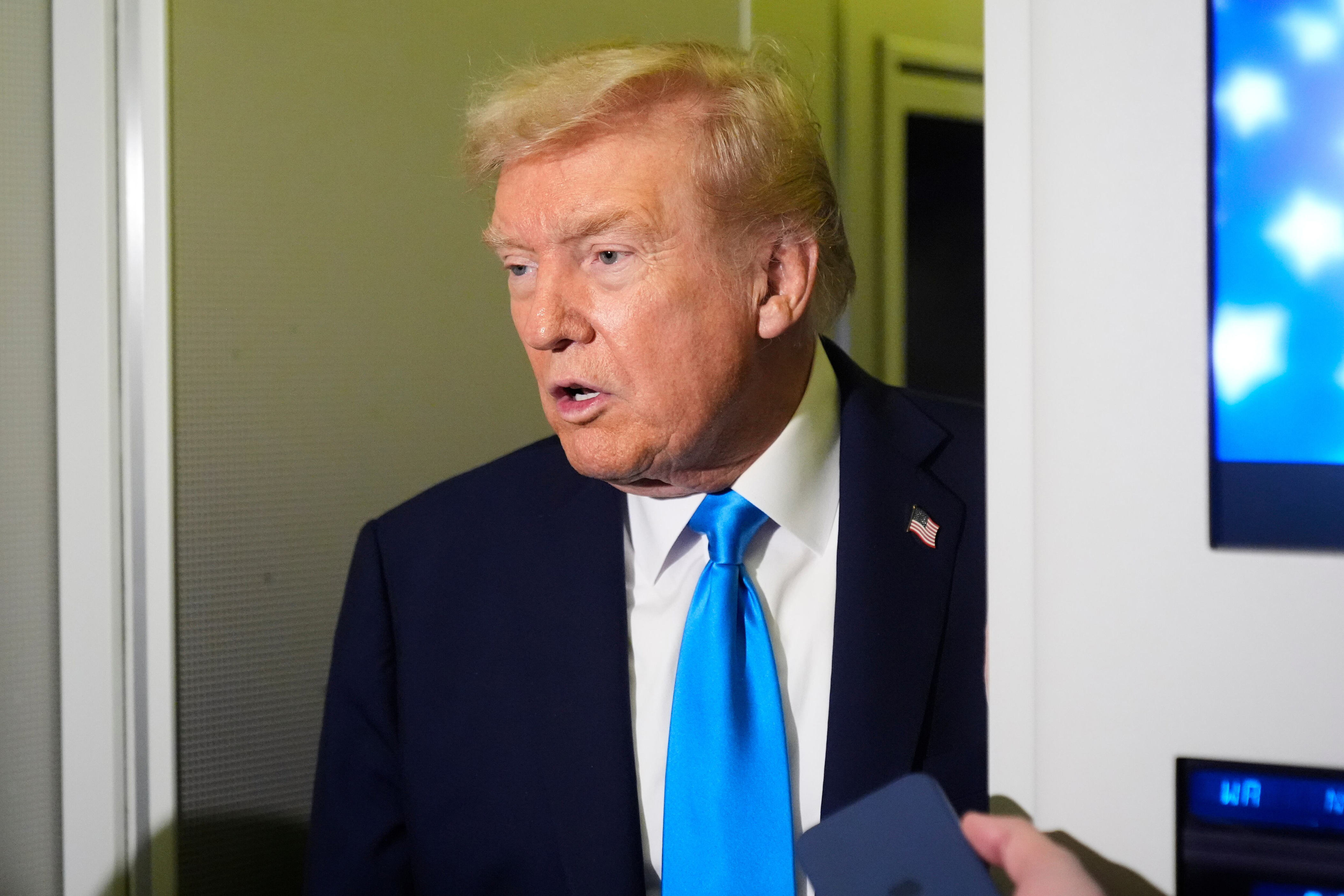
U.S. President Donald Trump, during his Asia tour that included visits to Malaysia, Japan, and South Korea, made remarks about the ongoing tariff negotiations between the U.S. and South Korea. He stated that the discussions were “very close to a settlement” and added, “If they are prepared, I am also prepared.” These comments came as he was responding to questions from reporters aboard his aircraft.
The statement is seen as an indication that while the U.S. is willing to finalize the agreement, it hinges on South Korea’s readiness to meet American demands. Despite a broad framework agreed upon in July, significant differences remain, particularly over the management of a $350 billion investment fund. The U.S. has pushed for direct cash investments of $25 billion annually over eight years, totaling $200 billion, whereas South Korea reportedly insists on investing no more than $15 billion per year.
Government Reactions and Ongoing Discussions
The South Korean presidential office acknowledged Trump’s remarks as a “principled statement hoping for a swift settlement,” but clarified that no specific date for a resolution had been set. National Security Adviser Wi Sung-lac emphasized that major issues still need to be addressed and that the government is striving for final adjustments based on economic rationality and national interest. However, there remains uncertainty about whether a deal will be reached during the upcoming summit.
Wi also mentioned that the summit’s purpose is not to let the opportunity pass, leaving open the possibility of a last-minute agreement. The focus is on achieving a mutually beneficial outcome rather than setting a strict deadline.
Pressure Tactics and Negotiation Dynamics
Reactions within the South Korean government suggest that Trump’s statements are part of a strategy to apply pressure ahead of the summit. Analysts interpret his remarks as an attempt to shift the narrative, implying that delays are due to South Korea’s unpreparedness. This approach mirrors previous tactics used by Trump, such as raising tensions before past summits.
Trade experts believe that Trump is trying to create an atmosphere where the responsibility for any delays falls on South Korea. Former Trade Minister Jeong In-kyo noted that if this round does not conclude, discussions may eventually shift to who changed their stance after the July agreement.
Coordination of Agreement Documents
Despite unresolved tariff issues, the South Korean government is exploring ways to announce an agreement document that includes bilateral consensus items. This could take the form of a memorandum of understanding (MOU), a joint statement, or a fact sheet. Adviser Wi mentioned that a joint fact sheet would function similarly to an agreement document.
However, there are concerns that excluding key issues from the document could undermine its effectiveness. Internal discussions suggest that the government should avoid proceeding with an agreement that omits critical points.
Last-Minute Settlement Possibilities
Adviser Wi noted that both Trump and South Korean President Lee Jae-myung possess strong negotiation skills, and the outcome depends on how these dynamics play out. Some analysts believe that progress might be possible if Trump softens his demands for direct cash investments during meetings with Lee.
Former Trade Minister Park Tae-ho emphasized that the key to the negotiations lies with Trump’s judgment. He suggested that creating an atmosphere during APEC that influences Trump’s decision-making could be a significant achievement. Cho Sung-dae of the Korea International Trade Association noted that both sides have already confirmed their positions, and finding a compromise within reasonable limits could resolve uncertainties for many companies.
Conclusion
The U.S.-South Korea tariff negotiations remain at a critical juncture, with both parties navigating complex economic and political considerations. While the prospect of a last-minute settlement exists, the path forward is uncertain and contingent on the willingness of both sides to find common ground.