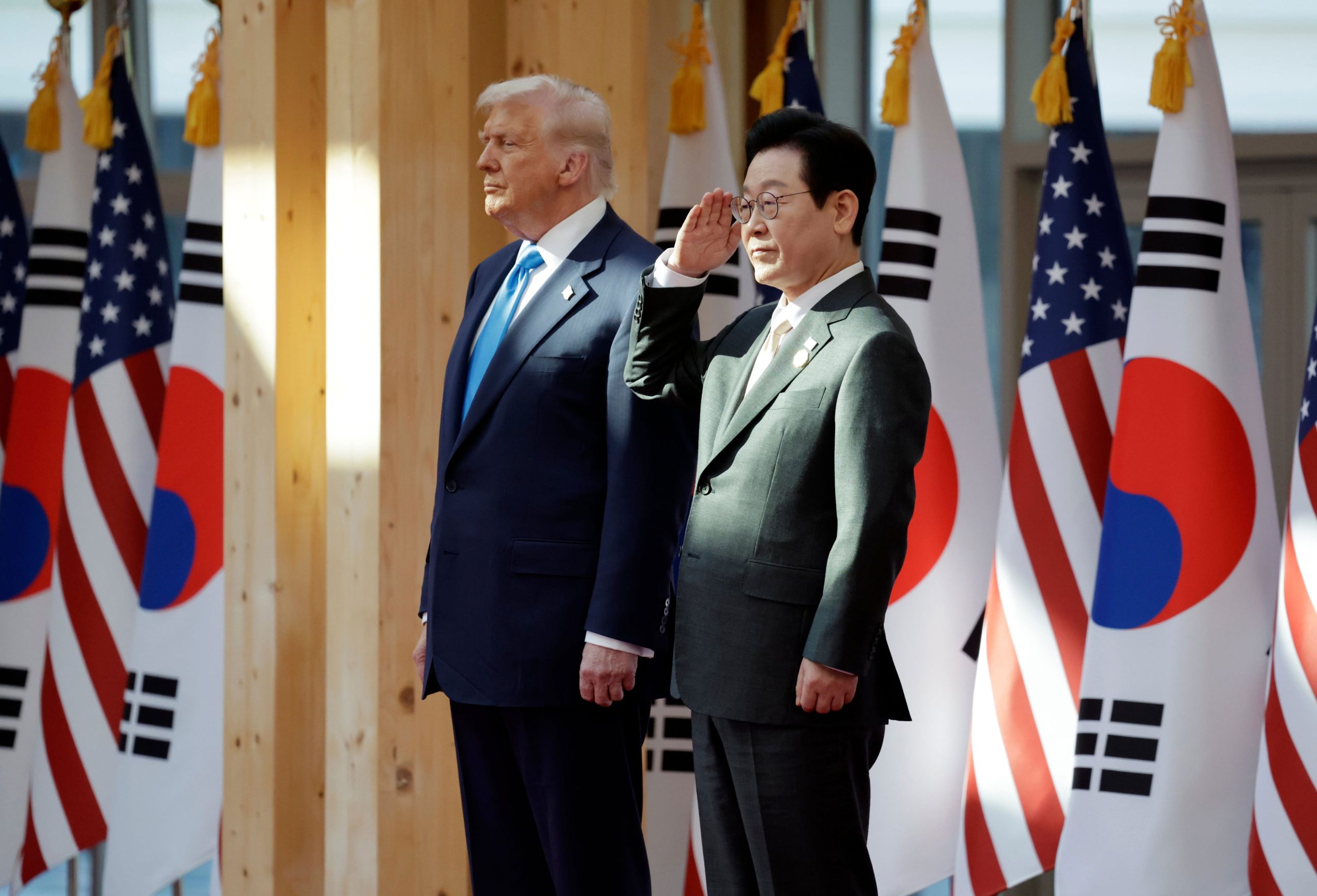
The U.S. conservative movement has started to voice formal concerns about the challenges to democratic principles, including the dismissal of the prosecution against President Lee Jae Myung and South Korea’s diplomatic approach towards the United States. This sentiment is reflected in a recent opinion piece co-authored by Nicholas Eberstadt, a research fellow at the American Enterprise Institute (AEI), and Lawrence Peck, a senior advisor at the North Korea Freedom Coalition (NKFC), which was published in the Wall Street Journal (WSJ), a prominent U.S. newspaper.
The column, titled “South Korea Takes a Hard Left Turn Against America,” highlights the authors’ belief that the radical left in Seoul is pushing for constitutional changes to enable indefinite rule. Their critique extends beyond the Lee Jae Myung administration’s policies toward North Korea and China, touching on the handling of the president’s legal risks. Notably, they link the administration’s attempts to neutralize the inter-Korean remittance case trial to the possibility of long-term governance.
This issue had already affected the ruling party during the June 3 local elections. With growing U.S. interest, it cannot be ignored. During a U.S. congressional hearing on the 3rd, Republican Rep. Darrell Issa (California) requested the column be included in the official record. The Cheong Wa Dae’s decision to publish a rebuttal under Senior Secretary for Overseas Media Affairs Choi Sung-a paradoxically confirms the column’s significant impact in the U.S.
Who is Eberstadt?
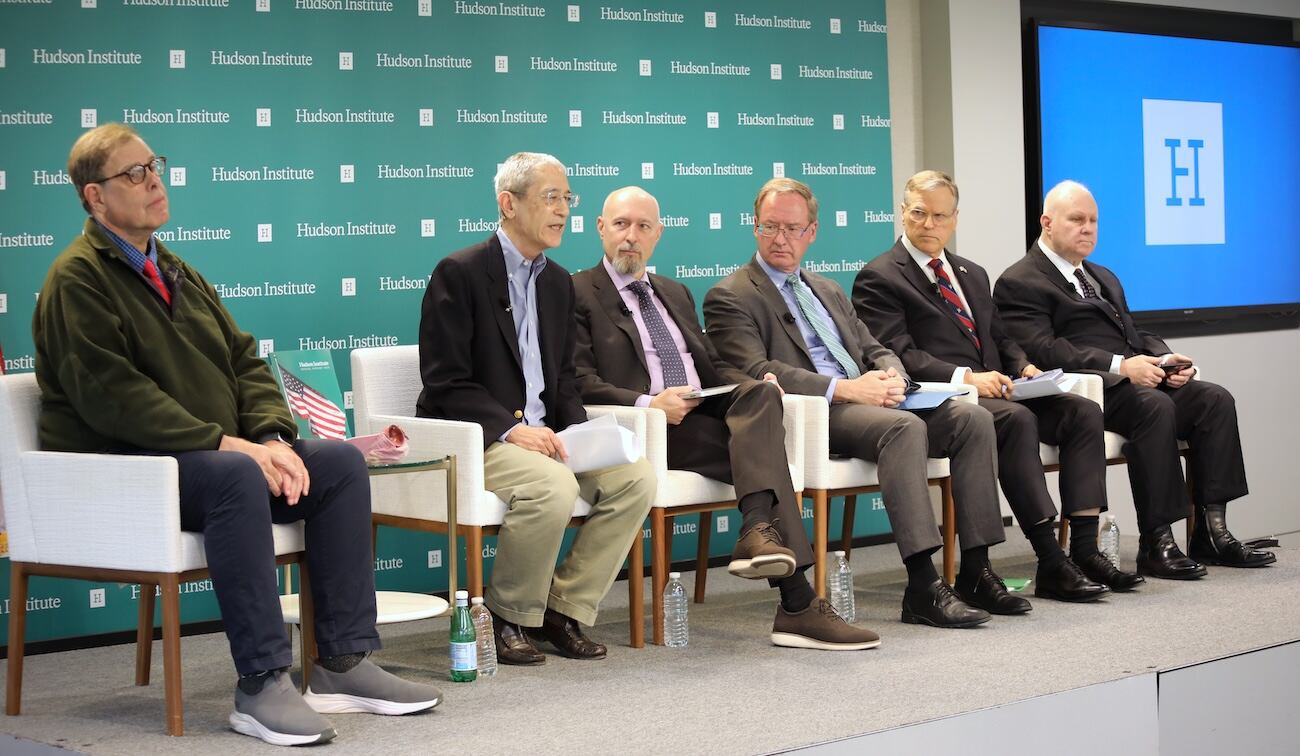
Eberstadt, one of the WSJ op-ed’s authors, is a well-known conservative expert on the Korean Peninsula in the U.S. Having earned bachelor’s, master’s, and doctoral degrees from Harvard University, he has spent decades researching Korean Peninsula issues from a U.S. conservative perspective. He currently holds the Henry Wendt Chair in Political Economy at AEI. When the author was appointed as a Washington correspondent in 2007, Eberstadt was among the first U.S. scholars he met.
The late former Ambassador to the U.S. Hyun Hong-ju, who was in Washington, D.C. at the time, introduced Eberstadt, saying, “To understand the mainstream movements in American society, you should often listen to Eberstadt’s analysis.”
Eberstadt has long studied North Korea and South Korea’s policies toward the North, maintaining a critical view of progressive governments’ approaches. He often expressed confusion over how South Korean society repeatedly falls for North Korea’s peace offensives. His tall stature, thick glasses, and head-shaking gestures while explaining inter-Korean relations remain vivid in memory.
The author has previously introduced Eberstadt’s writings. A notable example is his 2018 column in the New York Times’ Asia edition, titled “North Korea Plays the South Again.” The title could be roughly translated as “North Korea Toys with South Korea Again.”
He did not view inter-Korean relations as a “win-win game.” Instead, he defined it as a game where North Korea wins and South Korea loses. “When North Korea says ‘jump,’ South Korea asks, ‘How high should I jump?’”
Indeed, when North Korean leader Kim Jong-un mentioned participation in the PyeongChang Winter Olympics and peace in his 2018 New Year’s address, the Moon Jae-in government eagerly responded with a “low posture.” The joint press release from the first high-level inter-Korean talks at the time was criticized for being “almost a verbatim copy of North Korea’s New Year’s address.”
Lawrence Peck is active as a senior advisor at the North Korea Freedom Coalition, a U.S. human rights group for North Korea. After majoring in political science at the University of California, Los Angeles (UCLA), and earning a Doctor of Juridical Science degree from Loyola Law School, he has been actively involved in North Korean human rights and the U.S.-South Korea alliance.
“Unpredictable Trump, Predictable South Korean Leftist Government”
In their op-ed, Eberstadt and Peck identified two threats facing U.S.-South Korea relations: the unpredictable Trump administration and the predictable radical leftist government in Seoul.
“The U.S.-South Korea alliance is not only grappling with the unpredictable Trump administration but also confronting the predictable recklessness of the radical leftist government in Seoul. President Trump’s transactional and sometimes unilateral approach toward allies is well-known. However, the South Korean government, the other pillar of the alliance, also requires far more attention.”
They expressed strong concern over how South Korean media and foreign correspondents classify President Lee Jae Myung and the Democratic Party as “liberals” and former President Yoon Suk-yeol as “conservatives.” “The radical leftist leaders of the Democratic Party actually tend to despise liberalism itself.”
U.S. Concerns Over President Lee’s Prosecution Dismissal
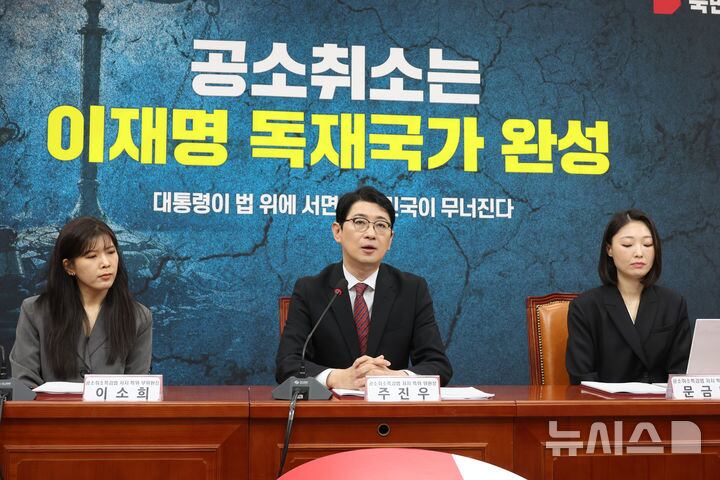
Their primary concern is whether South Korea’s liberal democratic system is functioning properly. They criticize the administration’s attempts to dismiss prosecutions related to President Lee Jae Myung through a special counsel, particularly the inter-Korean remittance case. The column stated, “President Lee was on trial for allegedly being involved in the illegal transfer of $8 million to North Korea before his election victory,” and “President Lee appears to have a plan to avoid standing trial in this case in the future.”
The column outlined two scenarios. Plan A involves legislation currently being pushed in the National Assembly to effectively conclude the case. Plan B involves changing the political landscape. Noting South Korea’s single-term presidential system, the column mentioned, “President Lee has proposed constitutional revisions and, although he has not yet secured the necessary majority, he is expected to gain it in the 2028 general election.” It added, “If that fails, legal and institutional political offensives (lawfare) may follow.”
Concerns About a One-Party State
The column further expressed concerns over the Democratic Party’s institutional reform proposals. “President Lee and the Democratic Party have also discussed additional reforms to make the constitution more democratic,” it said. “However, these changes could solidify the Democratic Party’s grip on power and effectively transform South Korea into a one-party state.” The authors warned that South Korean democracy itself could be in danger.
A notable aspect of the column is that it revealed accumulating dissatisfaction within the U.S. conservative camp toward the Lee Jae Myung administration. They argued, “Today, in South Korea governed by the Democratic Party, the U.S. is dealing with an ally that does not sympathize with the U.S.-South Korea alliance. This government prefers to reduce cooperation with U.S. security initiatives rather than increase it.” This appears to criticize Seoul’s push to transfer wartime operational control without meeting certain conditions.
They also criticized South Korea’s lack of active participation in the Hormuz Strait defense operation during the Iran conflict. President Lee’s comparison of Israel’s military operations in the Gaza Strip to the Holocaust was another point of criticism. “A South Korean minister publicly mentioned classified information related to North Korea’s nuclear facilities, effectively leaking to Pyongyang intelligence shared by the U.S. with Seoul,” the column stated, directly targeting Unification Minister Chung Dong-young.
Cheong Wa Dae Strongly Rebukes the Column
Cheong Wa Dae rejected the column, which labeled the Lee Jae Myung government as “radical leftists” and criticized it throughout, calling it “a serious distortion.” Senior Secretary for Overseas Media Affairs Choi Sung-a pointed out on the 5th that the column “not only fails to reflect South Korea’s reality but also risks undermining trust in one of America’s closest allies.”
Choi stated, “The Republic of Korea is one of the world’s most vibrant democracies, with institutions based on the constitution, the rule of law, and citizens’ free expression of will. This is not a sign of democratic decline but a source of democratic resilience and a symbol of a confident, open society.” She added, “The facts actually point in the opposite direction,” emphasizing that “since its inauguration, the Lee Jae Myung government has closely cooperated with the U.S. to strengthen and modernize the U.S.-South Korea alliance,” expanding cooperation in security, economic recovery, advanced technology, and strategic industries. “Recent bilateral initiatives are far from signaling a strategic shift and instead demonstrate the breadth and depth of cooperation between the two countries,” she said.
Accumulating Dissatisfaction in the U.S. Conservative Camp
It is difficult to fully agree with the claims made by Eberstadt and others in the WSJ column. Some assessments, such as those regarding the Coupang case, which is currently an obstacle in U.S.-South Korea relations, or perceptions of certain domestic issues, do not fully reflect South Korea’s reality. Former U.S. Ambassador to South Korea Philip Goldberg also publicly stated at a seminar hosted by the Korea Economic Institute (KEI) that he does not agree with the column.
However, Cheong Wa Dae’s rebuttal is not entirely valid. By publishing an unusual rebuttal column, Cheong Wa Dae may have inadvertently amplified the controversy.
Setting aside the U.S.-South Korea alliance, the significance of the column by Eberstadt and others lies in the fact that the U.S. conservative camp has begun to closely monitor how the Lee Jae Myung administration handles the president’s legal risks and attempts to reorganize the democratic system.
Since South Korea’s democratization in 1987, progressive governments—Kim Dae-jung, Roh Moo-hyun, and Moon Jae-in—have faced criticism from the U.S. conservative camp over their policies toward the U.S. However, they were rarely criticized by the U.S. for how they operated their liberal democratic systems. Instead, South Korea was praised for developing liberal democracy on the foundation of hard-won democratization.
In this context, it is a notable shift that, just one year into the Lee Jae Myung government, concerns about the administration’s approach to democracy and the possibility of long-term rule through legal and institutional means have been publicly raised by the U.S. conservative camp. The prosecution dismissal controversy and constitutional revision issues have transcended domestic political disputes and emerged as new variables in U.S.-South Korea relations. If this perspective spreads within the U.S. Republican Party and policy community, it could significantly influence the Trump administration’s policies toward South Korea.
After the June 3 local elections, the ruling party in South Korea, which took power in 2026, effectively seized control of all regional governments except Seoul, further consolidating its strength. It seems Cheong Wa Dae should abandon plans to dismiss the prosecution against President Lee and ensure the Democratic Party leads the National Assembly “democratically” to prevent criticisms from the U.S. and other countries that “democracy is regressing.” This should be a key goal.
월 5900원 멤버십, 신문 독자에게는 2900원, 조선멤버십
55000원 상당의 신문-잡지 8종 마음껏 보기, 조선멤버십
현금처럼 쓸 7000포인트 받아 알뜰한 쇼핑, 조선멤버십