A Veteran Activist’s Perspective on Governance and Leadership
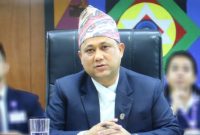
Comrade (Engr) Igbini Odafe Emmanuel is a seasoned advocate for good governance, human rights, anti-corruption, and pro-democracy movements. He has also been a prominent labor leader at TotalEnergies EP Nig. Ltd in the 1990s. In 2006, he entered partisan politics, becoming a Delta State Governorship Candidate and State Chairman of the Peoples Redemption Party (PRP), serving from 2007 to 2012. He remains an active member of PRP.
In this interview, he discusses the challenges he has faced since 2022, including cyberbullying, defamation, and blackmail due to his support for President Tinubu and former Governor Nyesom Wike. He reveals how his wife, her younger brother, and her lawyer were involved in defaming and threatening him with the EFCC because of his political stance. This led to the dissolution of their marriage.
He supports President Tinubu’s decision to end fuel subsidies and dual exchange rates but criticizes the measures taken afterward. He insists that pump prices should not exceed N50 per liter and calls for the full operation of Nigeria’s petroleum refineries if the president receives proper guidance from his appointed officials and leaders of PENGASSAN and NUPENG.
Political Affiliation and Public Service
Since August 2011, when he was appointed Director General of the Delta State Direct Labour Agency (DLA) by former Governor Emmanuel Uduaghan, who belongs to the PDP, there have been questions about his political alignment. Some believe that accepting an appointment from a PDP government automatically makes one a member of that party. However, Comrade Igbini Odafe Emmanuel clarifies that he has never joined the PDP or any other political party.
He emphasizes that he has consistently remained a member and chieftain of PRP throughout his tenure as DG of DLA. He did not pay monthly membership dues or attend PDP meetings. His focus was on public service, regardless of political affiliations.
He explains that the DLA is not exclusive to any political party. His commitment to serving all people of Delta State was reinforced by a covenant with Governor Uduaghan, who trusted him despite being a strong critic and political opponent.
Views on President Tinubu and National Challenges
Regarding President Tinubu’s leadership, Comrade Igbini Odafe Emmanuel acknowledges the worsening economic situation, deteriorating roads, schools, and security. He disagrees with the call for Tinubu’s resignation by the PRP national chairman, emphasizing the need for constructive solutions rather than mere criticism.
He praises Tinubu’s initial actions, such as ending fuel subsidies and dual exchange rates, which he views as crucial steps toward addressing long-standing issues. He recalls that former President Buhari refused to take similar actions due to fear of political backlash.
The recent organized protests against Tinubu are viewed with caution. While some are driven by patriotism, others are believed to be sponsored by elites affected by the removal of subsidies and exchange rate manipulation.
Economic and Infrastructure Concerns
Comrade Igbini Odafe Emmanuel expresses concern over the high cost of petroleum products and the underutilization of Nigeria’s refineries. He believes that the current state of the petroleum sector is due to poor management and the influence of unscrupulous individuals.
He criticizes the leadership of PENGASSAN and the Petroleum Ministry, suggesting that they are hindering progress. He also points to the mismanagement of road construction, blaming Minister of Works Engr David Umahi for promoting costly concrete pavements over more durable asphalt options.
Some roads constructed during his tenure as DG of DLA in 2012 and 2013 remain in excellent condition, demonstrating the effectiveness of well-designed infrastructure.
Conclusion
Comrade Igbini Odafe Emmanuel’s insights reflect a deep understanding of Nigeria’s challenges and the need for honest, capable leadership. His experiences highlight the importance of integrity, transparency, and effective governance in addressing the country’s pressing issues.